The Stock Market’s “Great Paradox”: The Answer
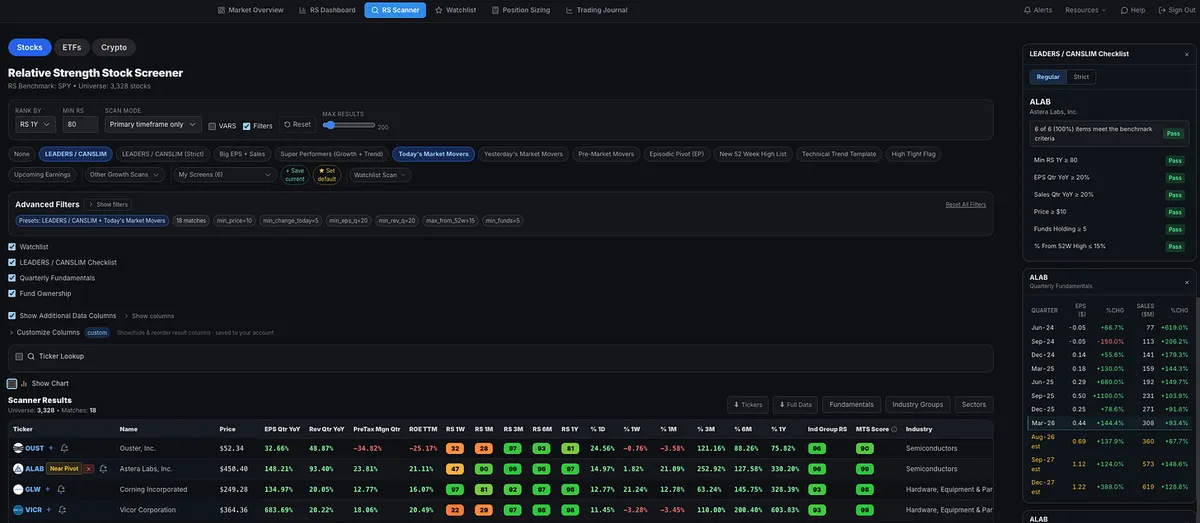
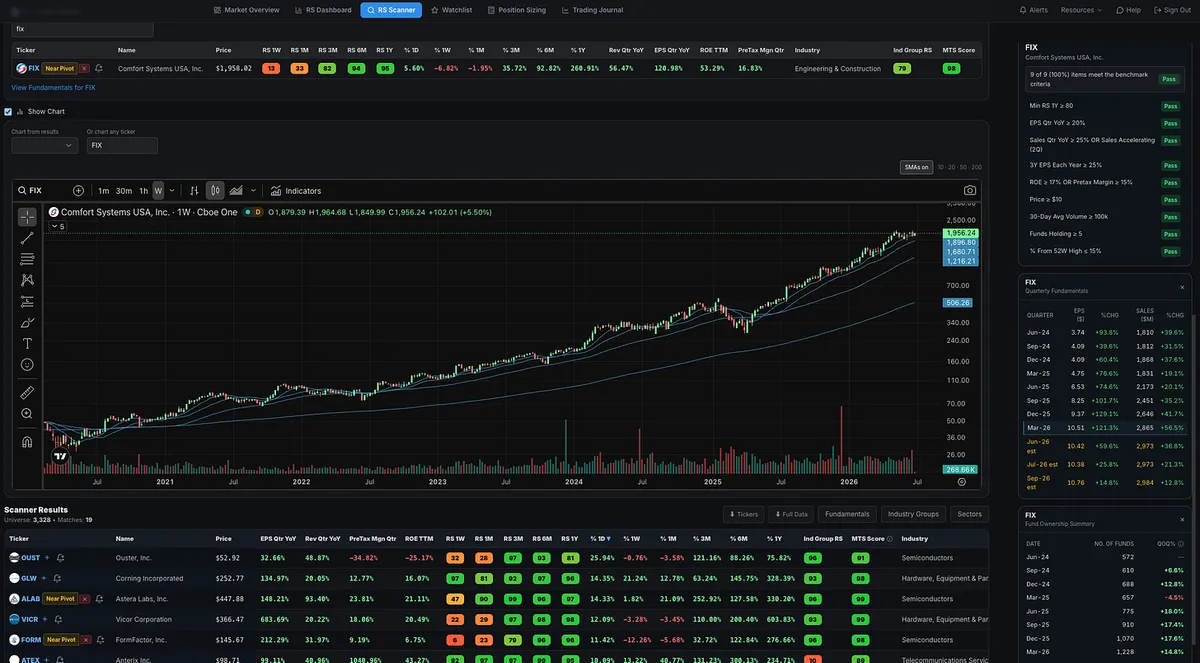
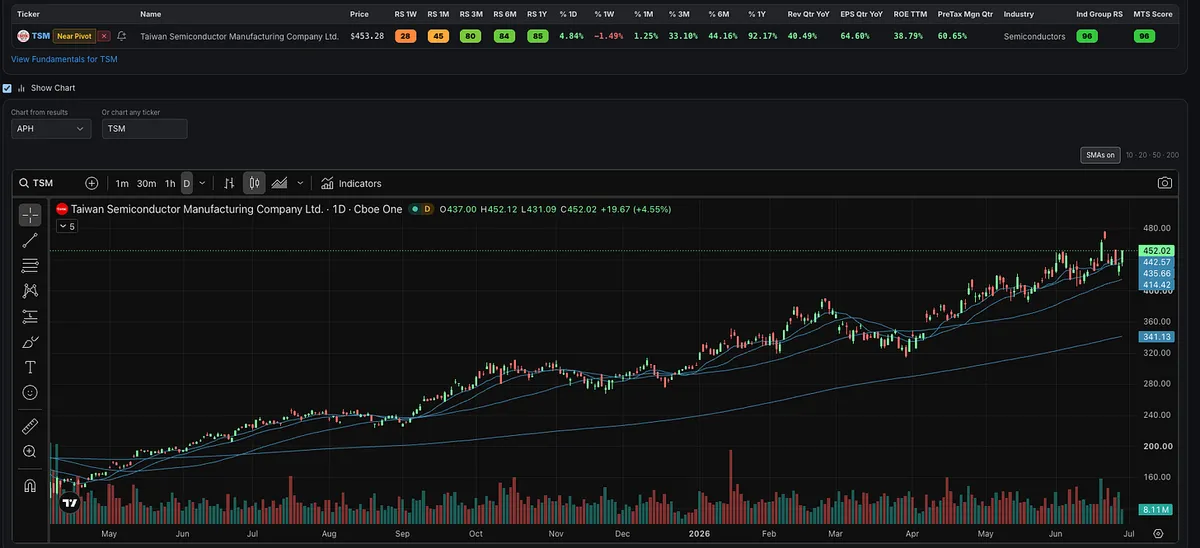
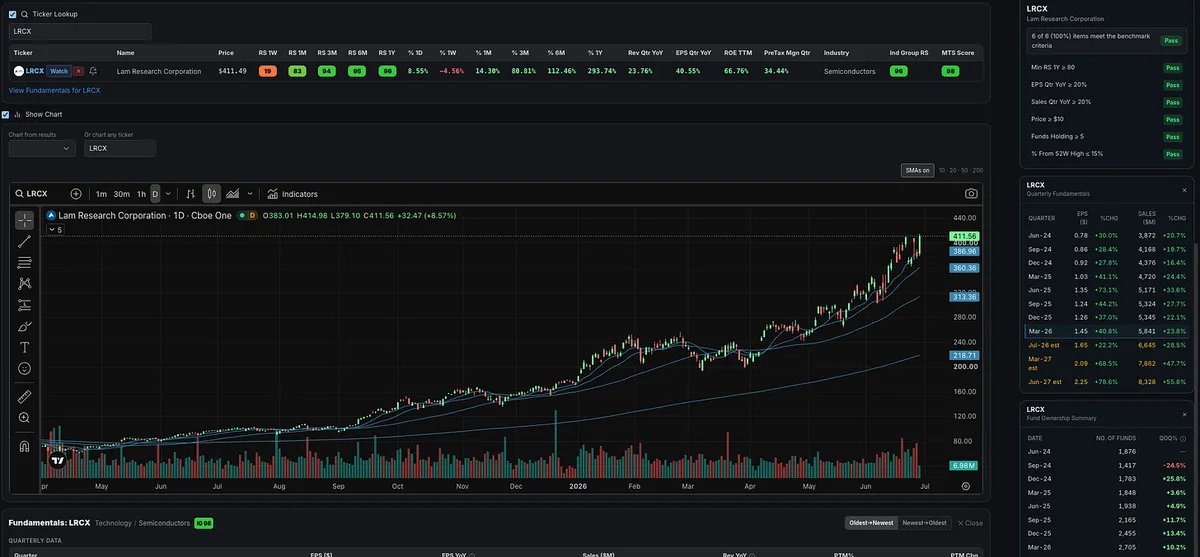
For all the growth stock investors and momentum traders, the answer is:
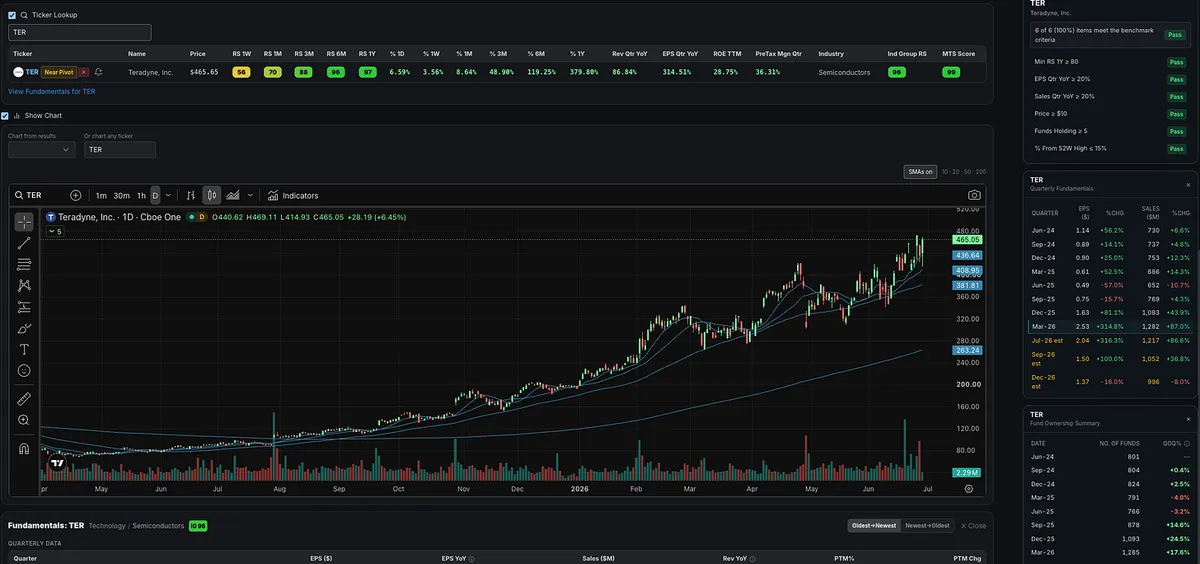
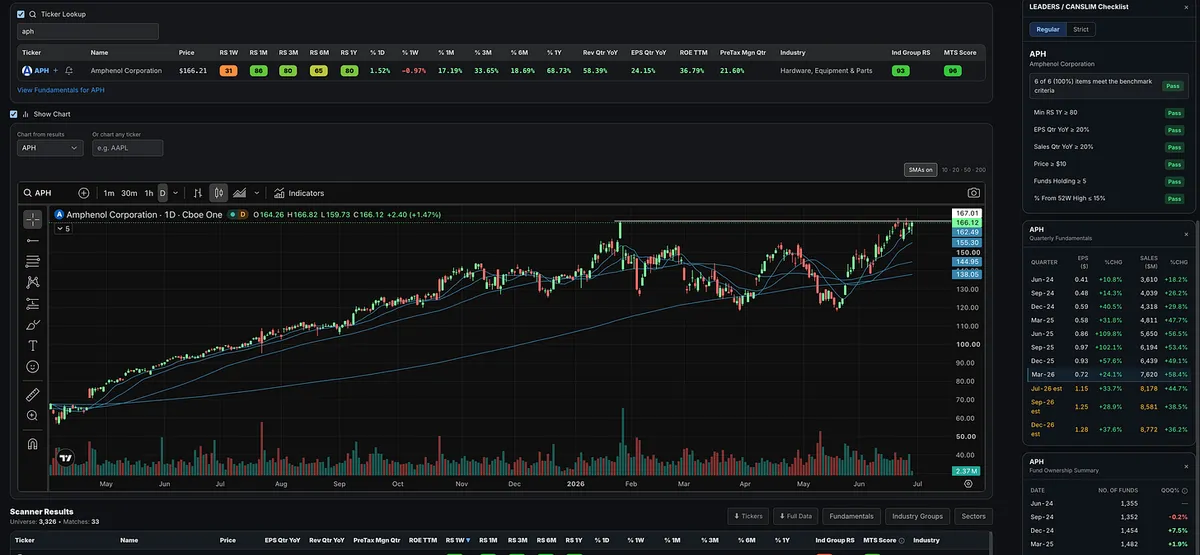
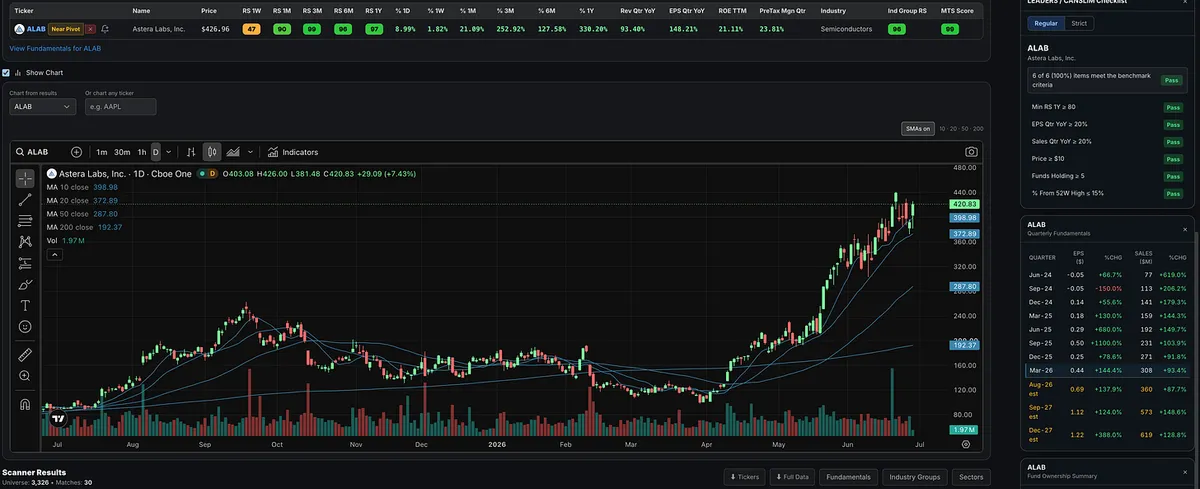
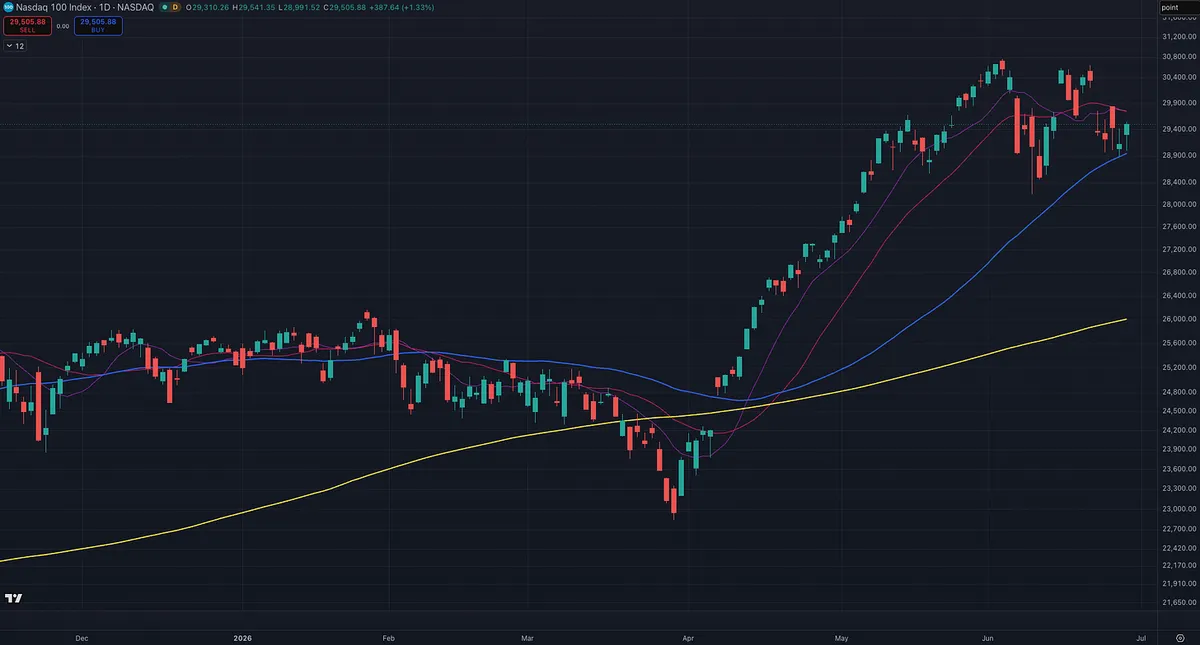
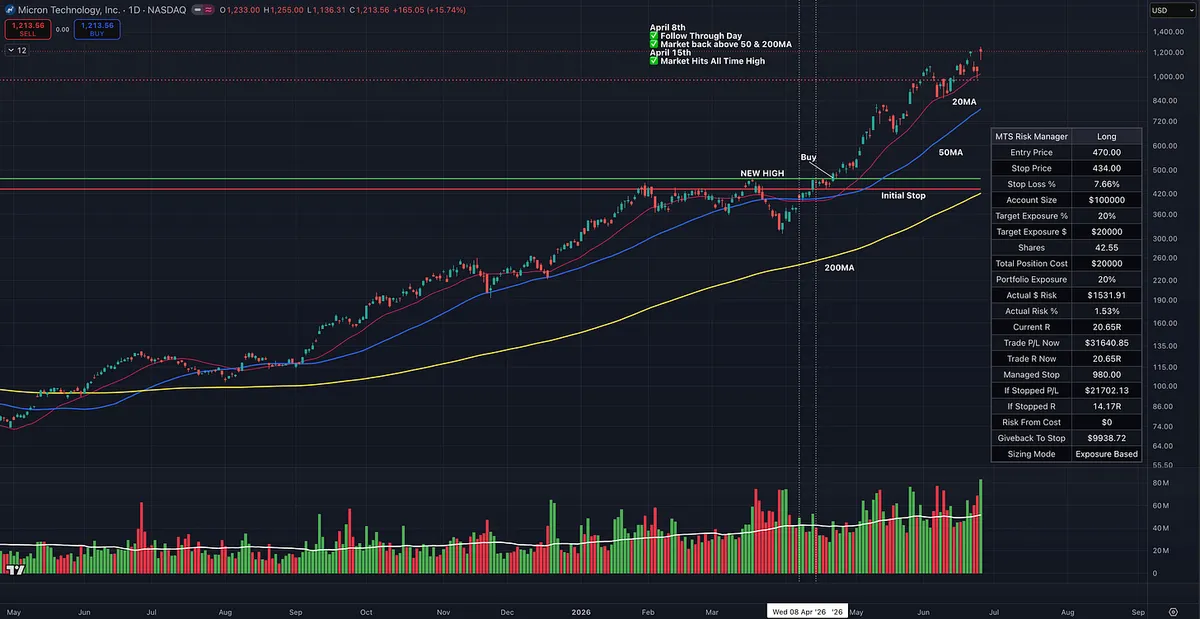
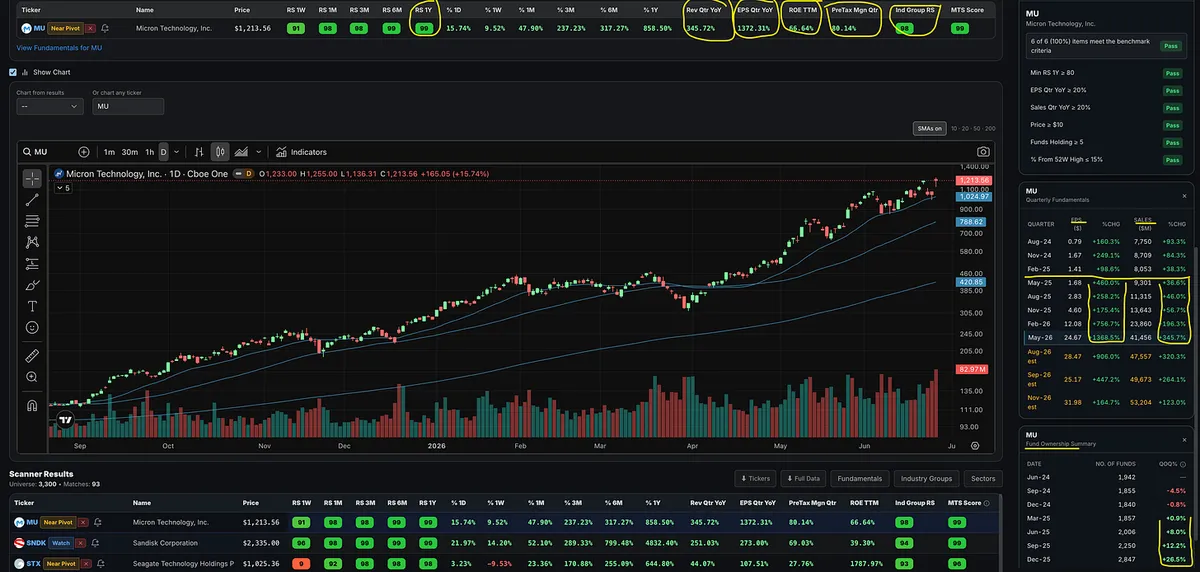
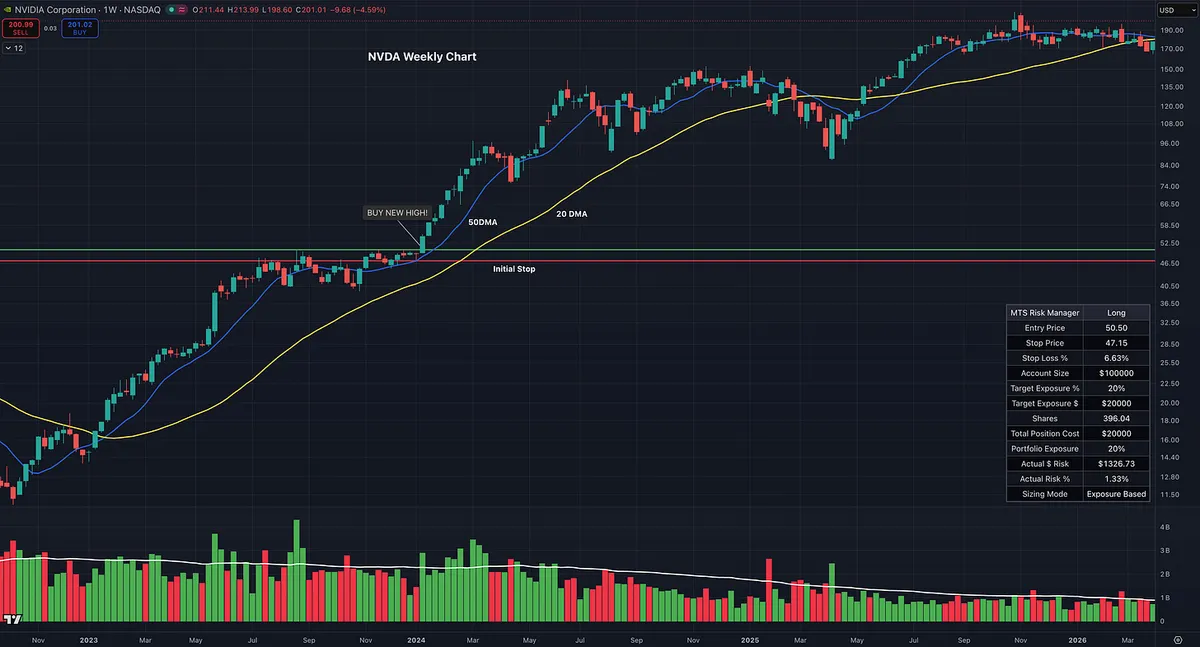
Stock A.
And here’s why.
If you didn’t pick A, don’t feel bad.
Most of us probably would not have picked A when we first started either.
That is part of what makes the market so difficult.
A lot of what feels safe is actually dangerous.
And a lot of what feels risky is often where the real opportunity is.
Most people are naturally uncomfortable buying stocks near new price highs.
William O’Neil saw this over and over again.
He explained that many individual investors who attended his seminars felt uncomfortable buying stocks making new highs, and it was not just retail investors. He found that even many institutional investors had the same problem.
Why?
Because most people think it is safer to buy something that looks cheap.
They see a stock that is down and think:
“It’s already fallen so much. How much lower can it really go?”
But O’Neil’s study of the greatest stock market winners proved the opposite.
The old saying “buy low and sell high” sounds smart, but for growth stock investing and momentum trading, it is often completely backwards.
O’Neil said:
“What seems too high in price and risky to the majority usually goes higher eventually, and what seems low and cheap usually goes lower.”
That is the great paradox.
The stocks that look extended, expensive, or “too high” to most people are often the same stocks under heavy institutional accumulation.
The stocks that look cheap, beaten down, and like “good deals” are often cheap for a reason.
O’Neil also studied stocks making new highs versus stocks making new lows across many different bull market periods.
The conclusion was clear:
Stocks on the new high list tended to continue higher.
Stocks on the new low list tended to continue lower.
And this was not just something O’Neil preached.
Jesse Livermore figured this out decades earlier.
Nicolas Darvas found the same thing with his box method.
Jack Dreyfus, one of the best-performing mutual fund managers of the 1950s and 1960s, was also buying stocks making new highs. O’Neil studied Dreyfus and found the same lesson again:
The biggest winners were usually not hiding in the bargain bin.
They were showing strength.
Mark Minervini, David Ryan, Dan Zanger, Kristjan Kullamägi all understand this and the importance of focusing on stocks that look like Stock A.
Strength is not something to fear.
For this style of trading, strength is usually where you want to be looking.
If you didn’t pick Stock A, it may just be a signal that there is more work to do.
This weekend, read a chapter or two of William O’Neil’s How to Make Money in Stocks.
Or maybe you discover that growth stock investing and momentum trading does not fit your personality.
And that is okay too.
But I think the first option is much more likely.
Most of us felt uncomfortable with this style at first.
Many of us only came to it after failing with other strategies that felt easier, safer, or more logical.
But the market does not reward what feels comfortable.
It rewards what works.
Have a great weekend.