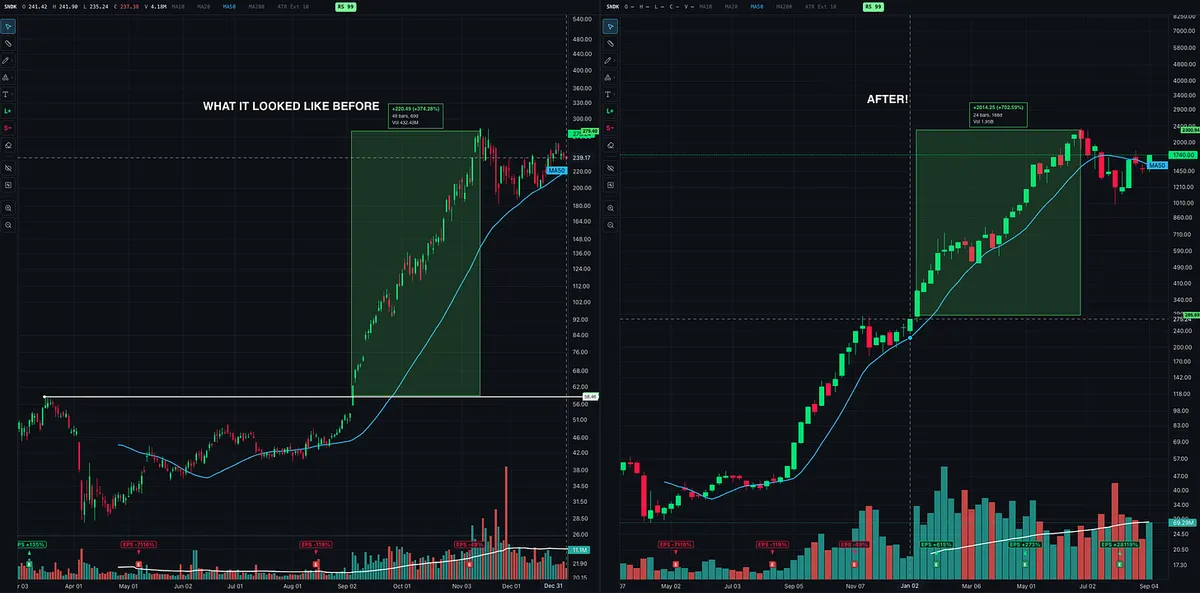
The Market Will Wear You Out Right Before It Moves
One of the most dangerous things about a sideways, choppy market isn’t just losing money.
It’s what the market does to you psychologically.
You buy a breakout. It fails. You take another shot. Nothing happens. A stock looks ready to go, then reverses. You get stopped out, try again, and get stopped out again.
Eventually, you get tired of playing.
William O’Neil understood this extremely well. His solution during difficult markets was not to force trades. He emphasized protecting capital, raising cash when conditions deteriorated, cutting losses quickly, and refusing to get sucked into weak rally attempts.
But there’s another side to that lesson that is just as important:
You cannot allow a bad market to condition you into being afraid of the next good one.
Because this is what markets do.
They chop. They frustrate. They produce failed breakouts and false starts. They make you question your system. Eventually, traders stop taking the setups they would normally take.
Then the environment changes.
O’Neil wrote about tracking every rally attempt and waiting for the market itself to confirm that something had changed. He wasn’t trying to predict the bottom. He wanted the evidence first.
That is the key.
Defensive does not mean disengaged.
You can be mostly in cash and still be studying the leaders.
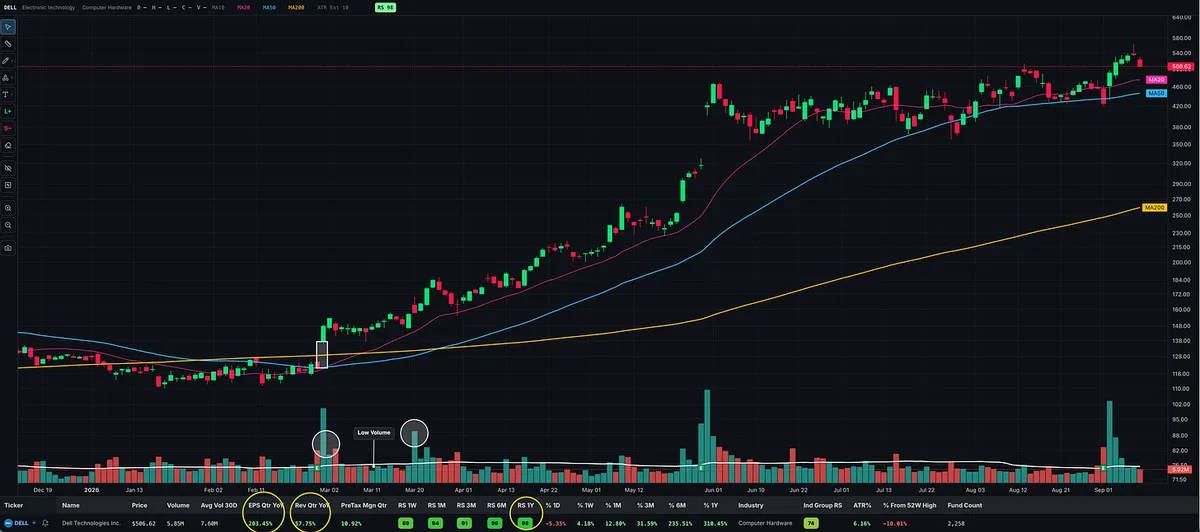
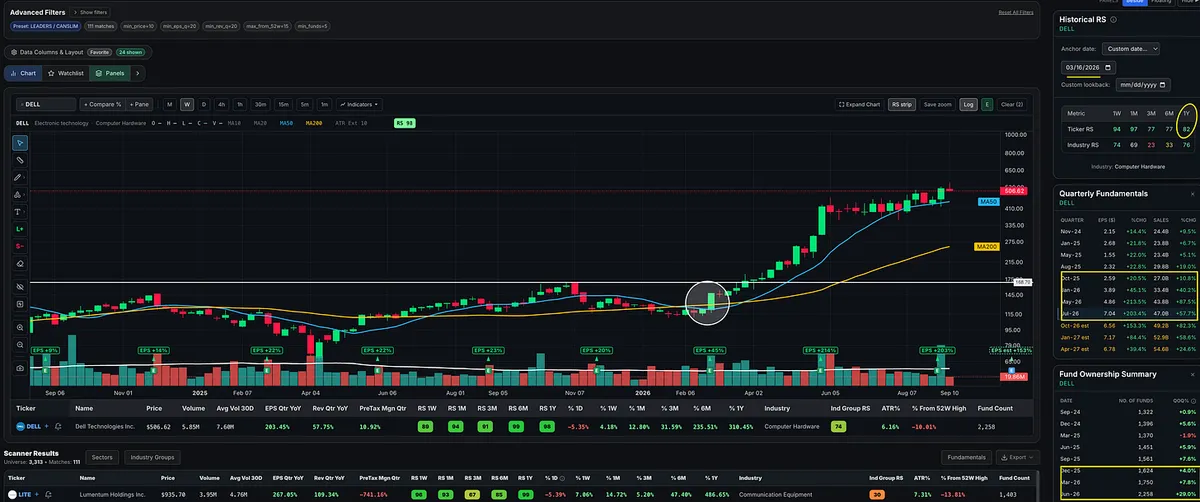
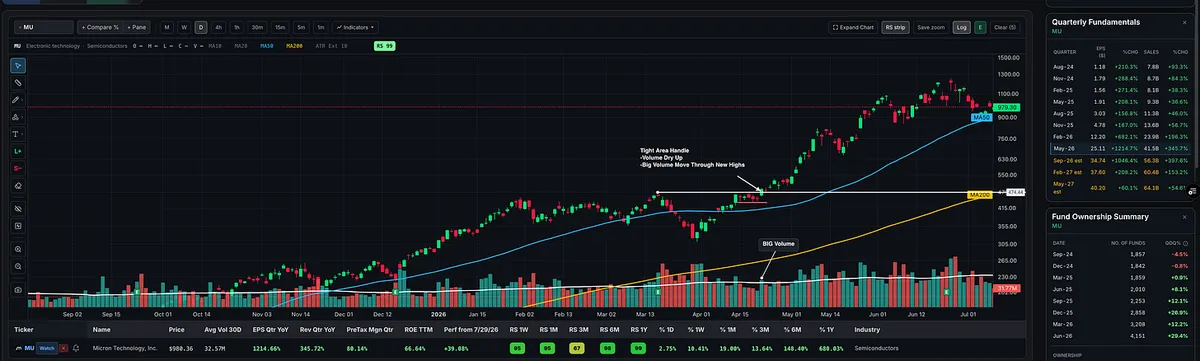
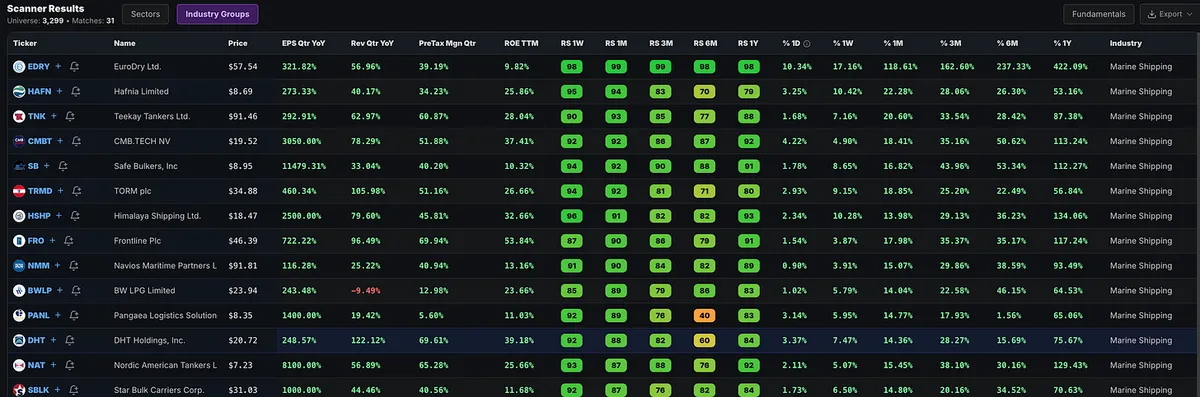
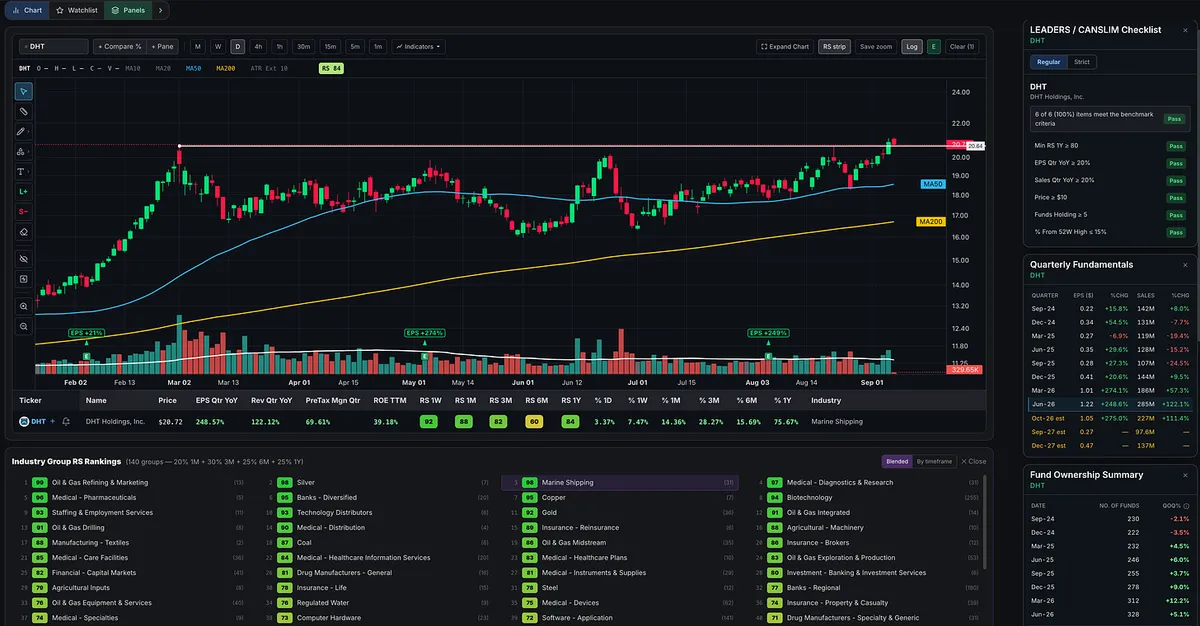
You can be taking very little risk and still be building your watchlist, marking your buy points, studying relative strength, and watching for the stocks refusing to break down with the market.
Then, when the evidence begins to change, you start putting money to work and let your results tell you whether to increase exposure.
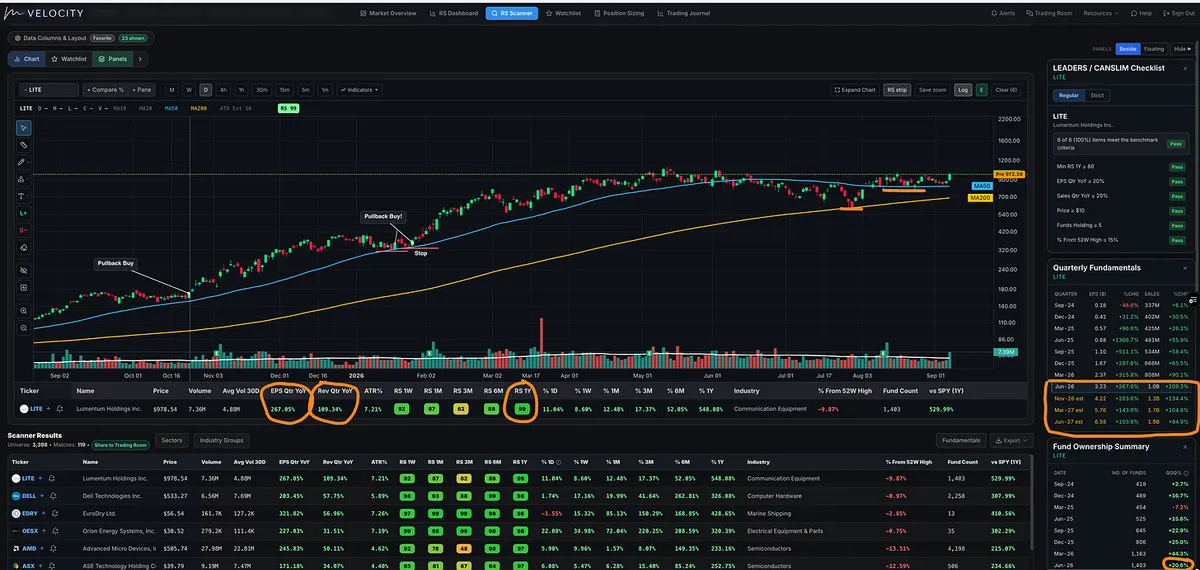
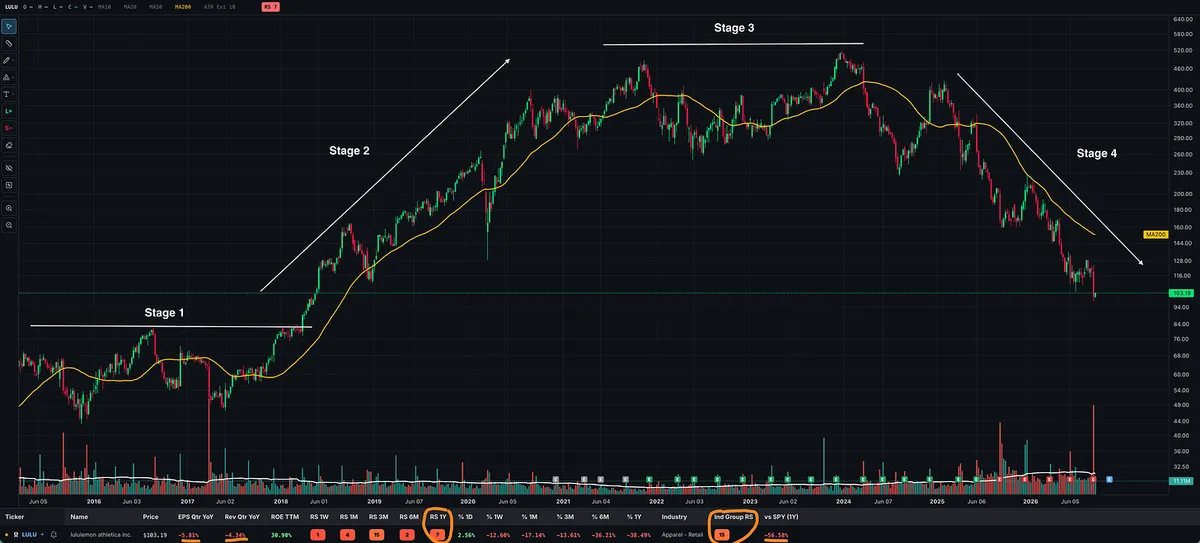
You can be frustrated with the environment and still be preparing for the next Stage 2 advance.
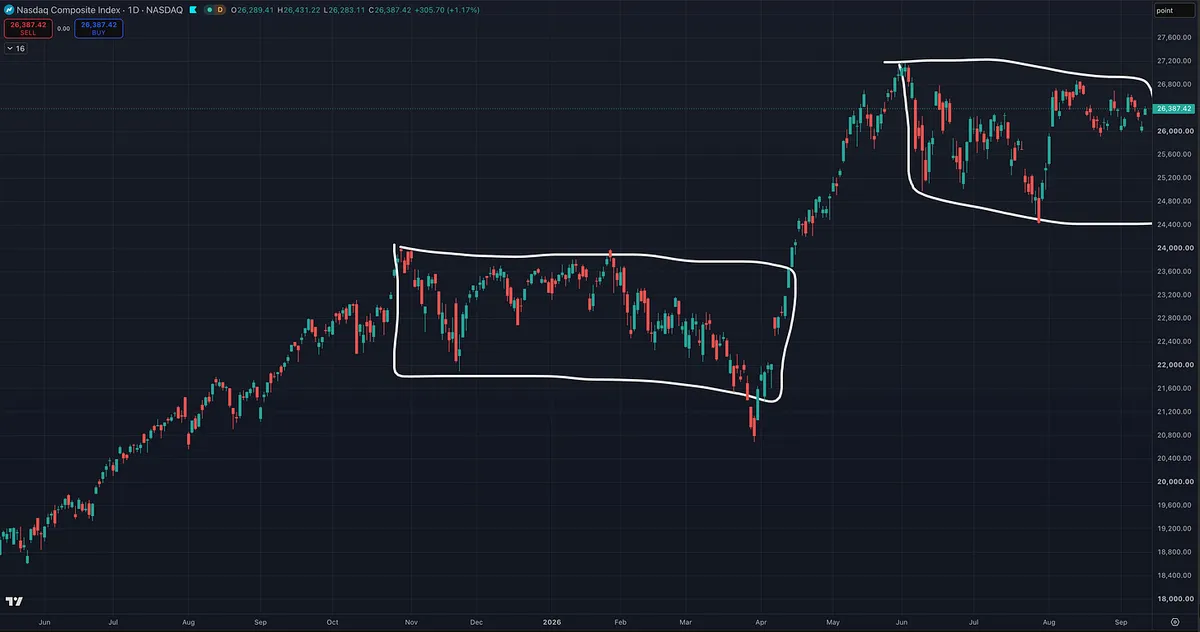
We’ve seen this repeatedly. Long stretches of sideways action can make it feel like the market is never going anywhere.
Until suddenly it does.
These periods feel like they will last forever while you are living through them.
They never do.
And one of the cruelest parts of the market is that the next major opportunity often begins after it has exhausted the people waiting for it.
Your job is not to predict when the chop ends, but to survive it, protect your capital, protect your confidence, and stay engaged enough to recognize when the evidence finally changes.
Some of the biggest opportunities come after everyone has been worn out.
Don’t let the market wear you down so badly that you’re asleep when it finally wakes up.