The First Rate Hike Matters. Martin Zweig Explained Why.
Today, September 16, the Fed raised rates 0.25 percentage points to 3.75%–4.00%, its first increase since July 2023.
We went from cutting, to holding, to raising.
Even an expected hike changes the monetary backdrop.
This is where Martin Zweig’s Winning on Wall Street deserves another read. In his chapter “Don’t Fight the Fed,” he wrote:
“Generally, a rising trend in rates is bearish for stocks; a falling trend is bullish.”
He also emphasized that the trend in interest rates mattered more than the level itself.
When rates rise, savings accounts, CDs, and Treasury bills can offer higher yields with considerably less risk than stocks. Stocks may still deliver greater returns, but some investors may decide the potential extra gain no longer justifies the additional risk. Meanwhile, businesses face higher borrowing costs that can eat into their profits.
Zweig turned that observation into a specific rule.
In his Fed Indicator, a rate hike clears any remaining positive points in the affected component and adds one negative point. Each negative point expires after six months unless a reversal toward easing in that component removes it sooner. His revised rules explicitly included changes in the federal funds rate.
The positive points awarded for earlier cuts also expire according to his rules, even when rates remain unchanged.
In Zweig’s model, earlier easing does not provide permanent bullish credit. That credit fades with time, and a hike wipes out whatever remains in that component.
And with the 10-year Treasury yield around 5%, longer-term borrowing costs deserve attention alongside the Fed’s decision.
Zweig’s work earned respect from some exceptional traders. In Market Wizards, Michael Marcus, Bruce Kovner, Richard Dennis, Paul Tudor Jones, and David Ryan all praised or recommended his work. Marty Schwartz also described consulting with Zweig.
During Marcus’s interview, Jack Schwager observed that Zweig was probably the person most mentioned by the traders he interviewed.
One hike does not automatically mean a bear market starts today. Zweig also followed the tape, combining monetary conditions with market momentum in his broader model.
William O’Neil made an important distinction in How to Make Money in Stocks. He considered Fed rate changes valuable and discussed three successive significant hikes as a historical warning. But he explicitly cautioned:
“Fed rate changes, however, should not be your primary market indicator because the stock market itself is always your best barometer.”
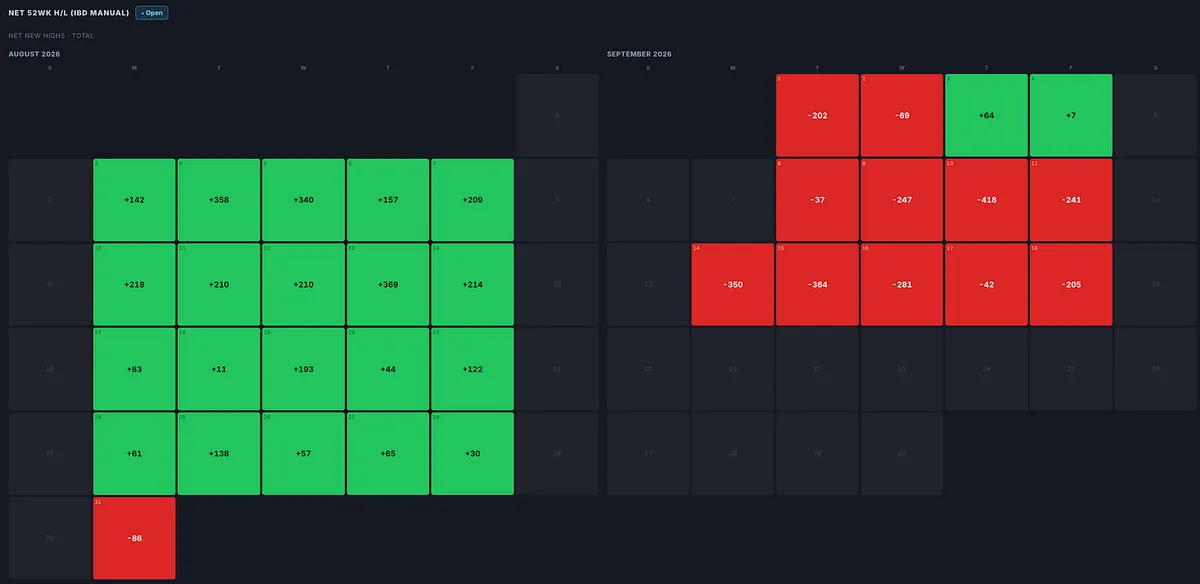
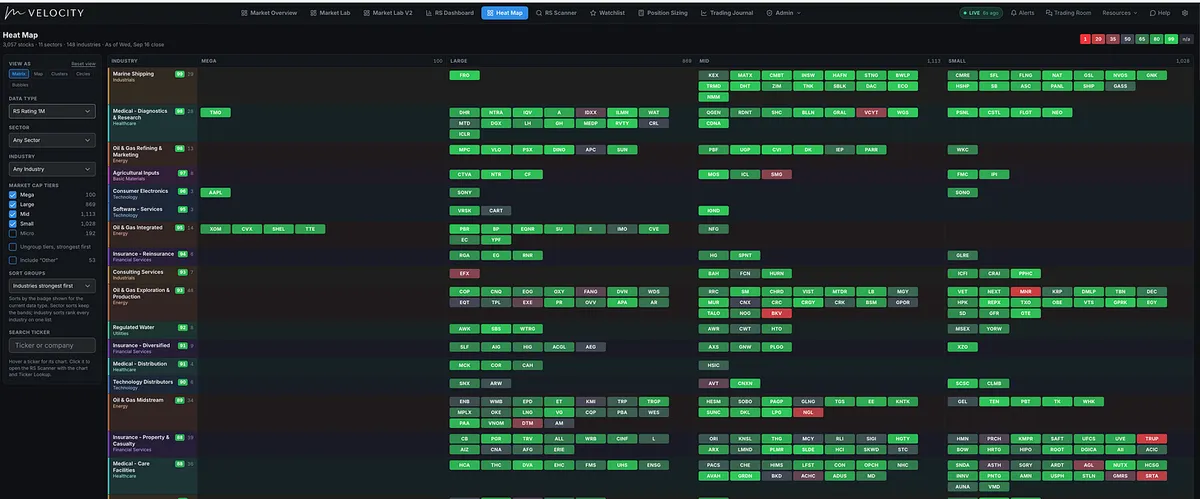
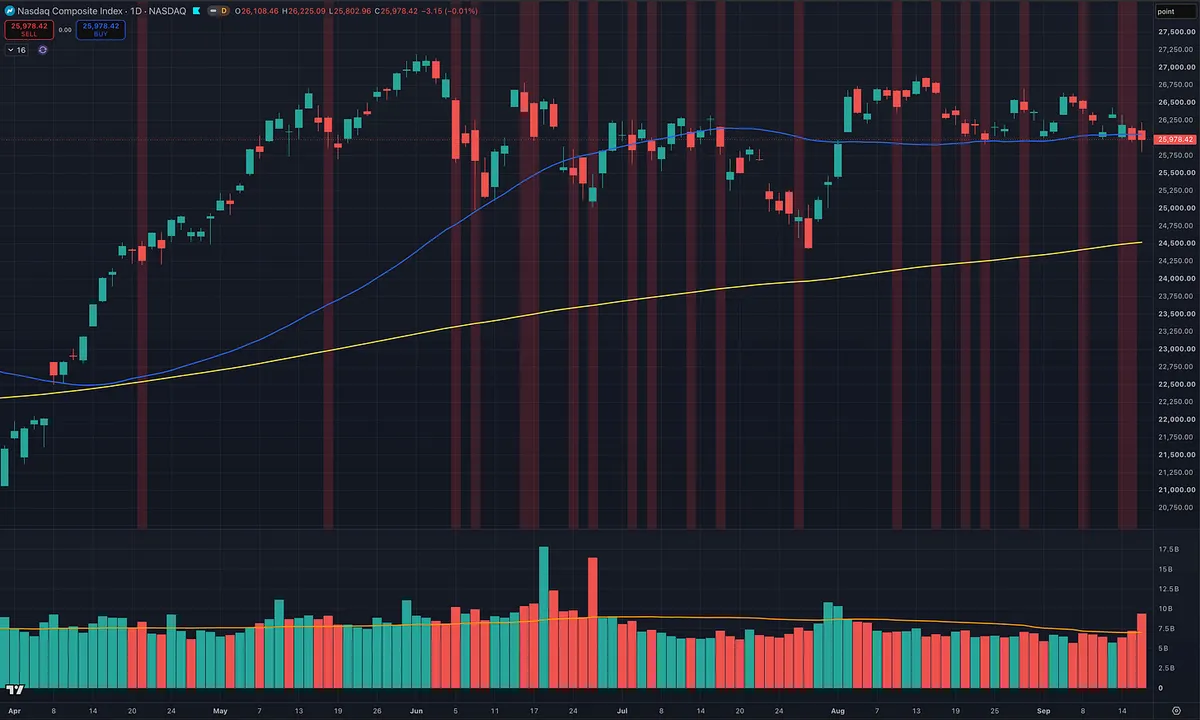
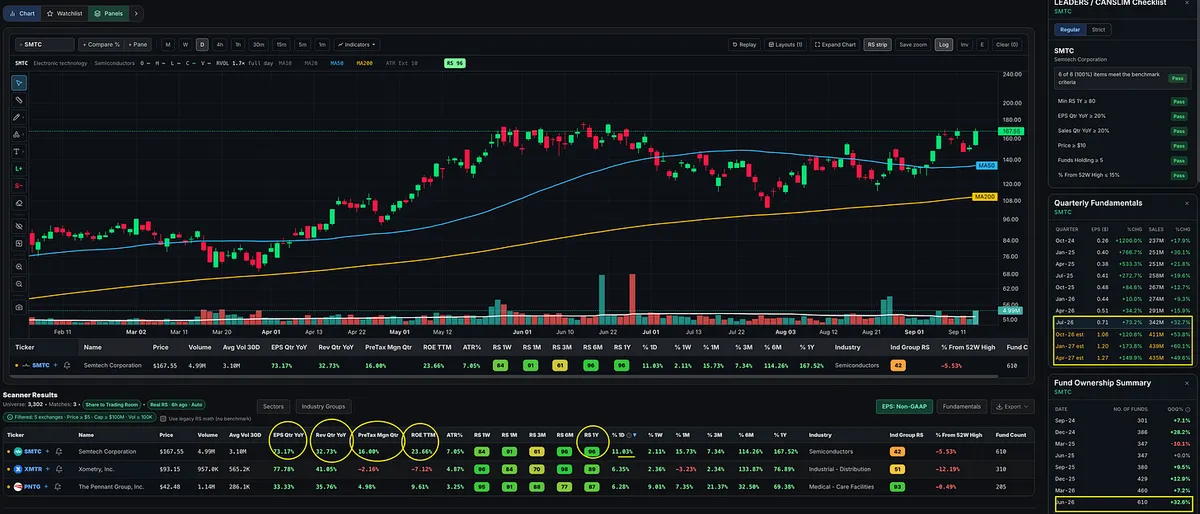
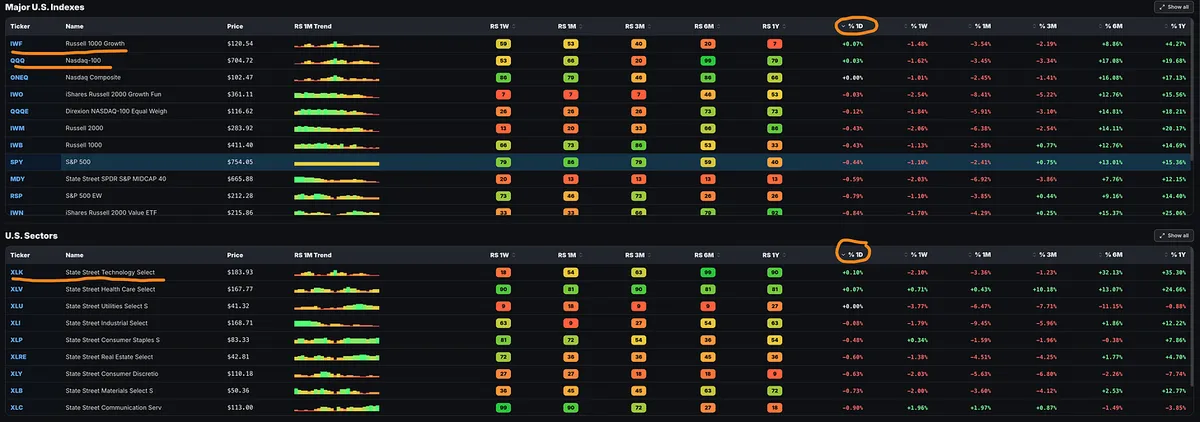
That is how I’m applying these lessons: give the change in policy weight, evaluate it alongside breadth, leadership, and credit conditions, and let the indexes’ price and volume action and the behavior of leading stocks guide my trading decisions.
I remain open to a rally despite the hike. How stocks behave in the coming days will help us judge how well the market is absorbing tighter policy. A rally that gains participation and shows accumulation would tell us something different from a weak bounce that quickly fails.
We have to remain open to that evidence while recognizing that the monetary backdrop has changed.
Although today’s rate hike was widely expected, “priced in” does not mean “irrelevant.” Yesterday’s easing is no reason to ignore today’s tightening.