Momentum Trading Strategy

Notes

Short lessons on momentum trading, every day.

Every note from Substack, in one place: risk, setups, leading stocks, market conditions and the mindset behind them. Search them, browse by topic, or filter by stock.

Showing 921–940 of 1230 notes

View on Substack ↗

Note on Swing Trade Entries: Opening Range Breakout (ORB)

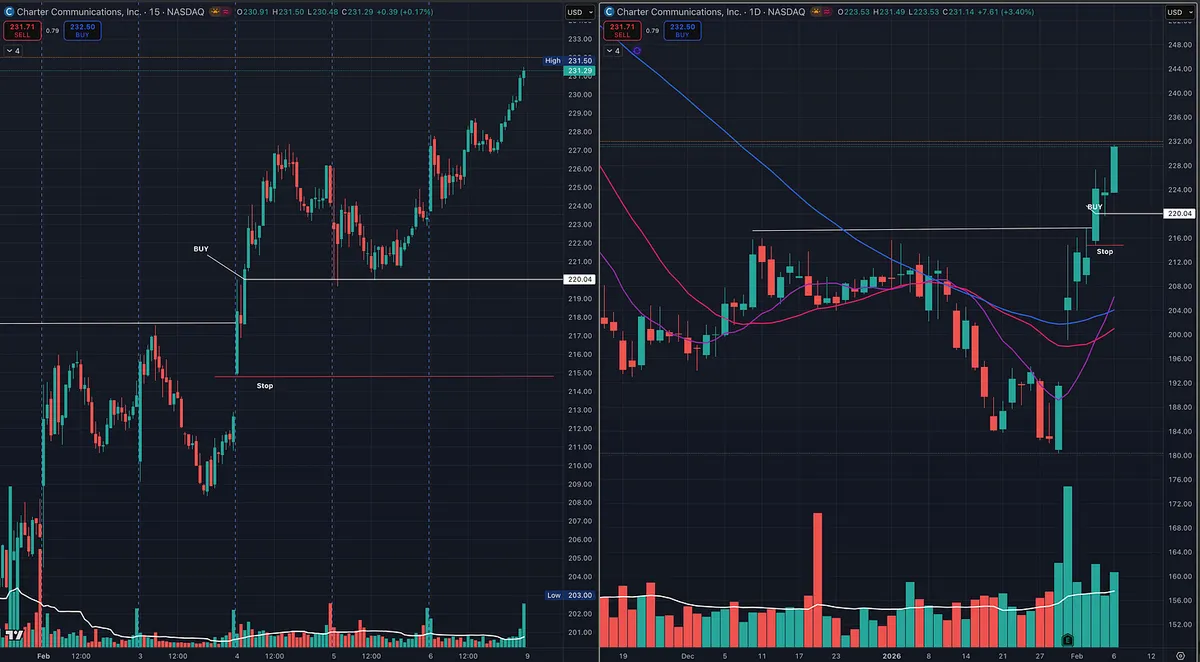
One common way many momentum and swing traders enter positions is the Opening Range Breakout (ORB), a tactic popularized by traders like Dan Zanger and Kristjan Kullamägi.

The idea is simple and focused on tight risk:

  • Use an intraday chart (5-min, 15-min, or 30-min — trader preference).

  • Identify the first bar of the day.

  • Buy when price breaks above the high of that first bar (which also becomes the high of day at that moment).

  • Stop is placed at the low of the day (often the low of the opening bar).

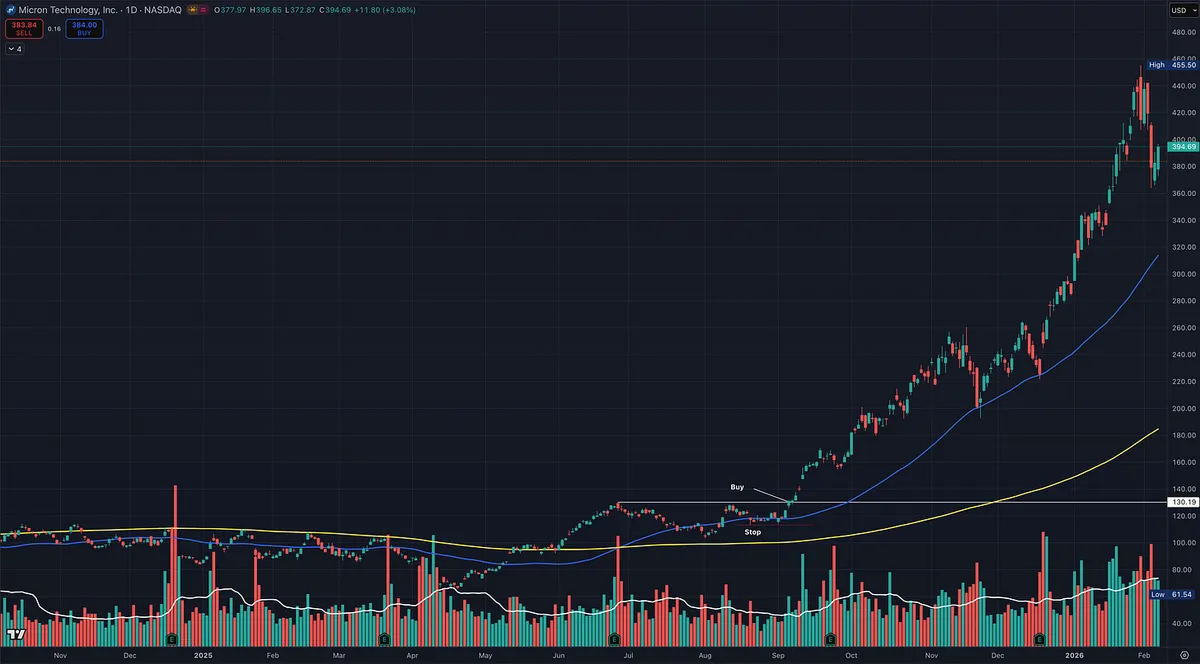
This entry method is not about day trading. It’s simply a clean way to initiate a swing position with defined risk. Once entered, the trade is typically managed on the daily chart, not intraday.

I’m sharing this as an educational example of a well-known entry technique used by many successful swing traders, not a requirement, just one tool in the toolbox.
View on Substack ↗

Stay With the Trend Until It Ends

“The trend is your friend until the end when it bends.” Ed Seykota

This is where most traders get it wrong.

They assume a big move means it is over. They look for reasons to fade strength. They try to be early instead of aligned.

Seykota traded the opposite way.

Once a trend is established, the job is not to predict the end. It is to stay with it.

Strong trends often pause. They consolidate. They shake out weak hands.

That does not mean the move is finished.

The trend remains your friend until price proves otherwise.

Not until it feels extended. Not until it looks obvious. Only when it actually bends.

View on Substack ↗

Trading Is Not an IQ Test

Some of the most intelligent analysts in the world cannot make money trading their own analysis.

They understand the market. They see the logic. They know the fundamentals.

What they struggle with is execution.

In Market Wizards, Michael Marcus explained making more money trading someone else’s analysis than the analyst ever could themselves.

The knowledge was not the problem. Behavior was.

Trading does not reward intelligence alone. It rewards emotional control.

A trader can take partial knowledge and succeed. An analyst with superior knowledge can still fail.

The difference is discipline, risk control, and the ability to follow a system when things feel uncomfortable.

That is emotional intelligence.

View on Substack ↗

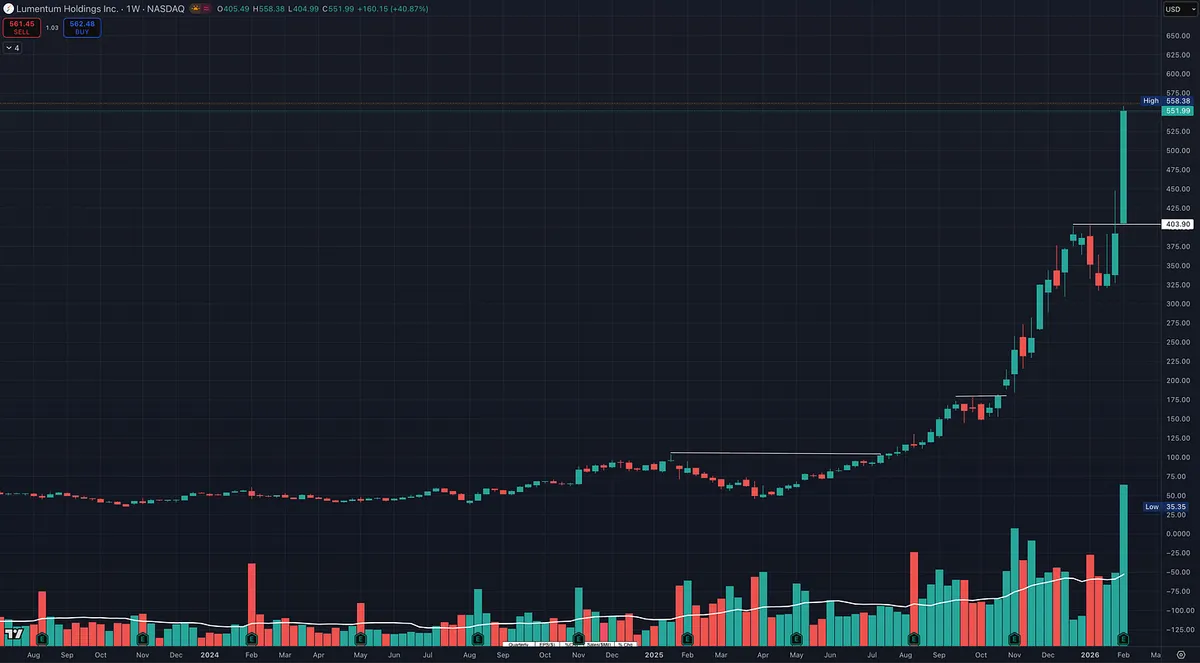
Follow the Leaders

“Follow the leaders.” Jesse Livermore

Livermore did not waste time on laggards.

He focused on stocks already proving themselves.

Leaders show strength first.

They attract demand first.

They move because demand is already there.

Weak stocks stay weak.

Cheap stocks stay cheap.

Hope does not change that.

Leadership is not a prediction. It is evidence.

Your job is to recognize it and align with it.

View on Substack ↗

Strength Looks Wrong to Most People

“What seems too high and risky to the majority generally goes higher, and what seems low and cheap generally goes lower.”

William J. O’Neil

This is where most traders get trapped.

They want bargains.

They want comfort.

They want to feel safe.

Strong stocks feel uncomfortable.

They look extended.

They feel late.

Weak stocks feel reasonable.

They look cheap.

They promise value.

O’Neil understood that price action tells the truth first.

Strength attracts more strength.

Weakness attracts more weakness.

That is why selection matters more than price.

“You want to buy the best merchandise in town.”

William J. O’Neil

Leadership is rarely cheap.

And cheap stocks are rarely leaders.

View on Substack ↗

Do Not Fight Direction

“The trend is your friend.”

Ed Seykota, Market Wizards

Most traders get hurt trying to be early.

They fade strength.

They buy weakness.

They look for the turn before it exists.

Seykota did not need to predict.

Direction was enough.

When price is moving in one direction,

that information matters more than opinions.

You do not need to catch the top.

You do not need to call the bottom.

You need to participate while the trend is intact

and step aside when it changes.

Do not fight the current.

Go with it.

View on Substack ↗

Know Your Exit First

“I know where I’m getting out before I get in.”

Bruce Kovner, Market Wizards

Most traders do the opposite.

They focus on the entry.

They imagine the upside.

They assume they will figure the rest out later.

Kovner knew that later is too late.

If you do not know where you are wrong,

you do not know how much you are risking.

And if you do not know how much you are risking,

the trade already controls you.

Professionals decide risk first.

Everything else is secondary.

That is how losses stay small

and decisions stay calm.

View on Substack ↗

Why Averaging Down Fails

“Losers average losers.”

Paul Tudor Jones, Market Wizards

This is how it actually happens.

You average down.

And you get away with it.

Then you do it again.

And again.

Most of the time there is no real reason.

You did not want to take the loss.

You thought your timing was off.

You saw a lower price and added.

And very often, it works.

You get out at breakeven.

Sometimes you even make money.

That success is the problem.

Because it teaches you that delaying the loss is acceptable.

So the behavior repeats.

Until one time it does not bounce.

The position is too big.

The loss is too deep.

At that point you are no longer managing risk.

You are managing damage.

That is how small losses turn into massive ones.

That is how accounts lose 80 percent.

That is how accounts get blown.

Not from one bad trade.

From getting away with the same mistake too many times.

The market eventually collects.

View on Substack ↗

Accept That Anything Can Happen

“Anything can happen.” -Mark Douglas

Most traders struggle because they secretly believe the market owes them certainty.

Douglas understood the opposite.

The moment you truly accept that anything can happen:

  • fear loses its grip

  • losses stop feeling personal

  • execution becomes calm

You stop trying to control outcomes

and start controlling risk and behavior.

That is where consistency begins.

Not in prediction.

In acceptance.

View on Substack ↗

“When a stock acts right, you don’t argue with it.”

-Jesse Livermore

Most traders argue with the market.

They explain why a strong stock should not be going up.

They justify holding weak ones because of fundamentals and opinions.

They argue that the market is wrong.

Livermore understood something simple and difficult.

Price is the final judge.

Strength is information.

Weakness is information.

Your job is not to debate it.

Your job is to respond correctly.

View on Substack ↗

Losses Are the Cost of Doing Business

“Losing is part of the business. If you cannot accept that, you cannot win.” -Marty Schwartz

Profitable traders do not avoid losses.

They plan for them.

Losses are not signals to rethink your identity.

They are expenses required to operate in uncertain markets.

When losses are expected:

  • position size stays disciplined

  • rules stay intact

  • confidence stays neutral

When losses are resisted:

  • emotions take control

  • process breaks down

  • drawdowns accelerate

The goal is not to eliminate losses.

The goal is to make sure no single loss can damage the business.

That is how professionals survive long enough to compound.

View on Substack ↗

Zooming Out Before Zooming In

After the markets close on Friday, I spend the weekend zooming out to get a clear snapshot of the market before diving back into the micro work.

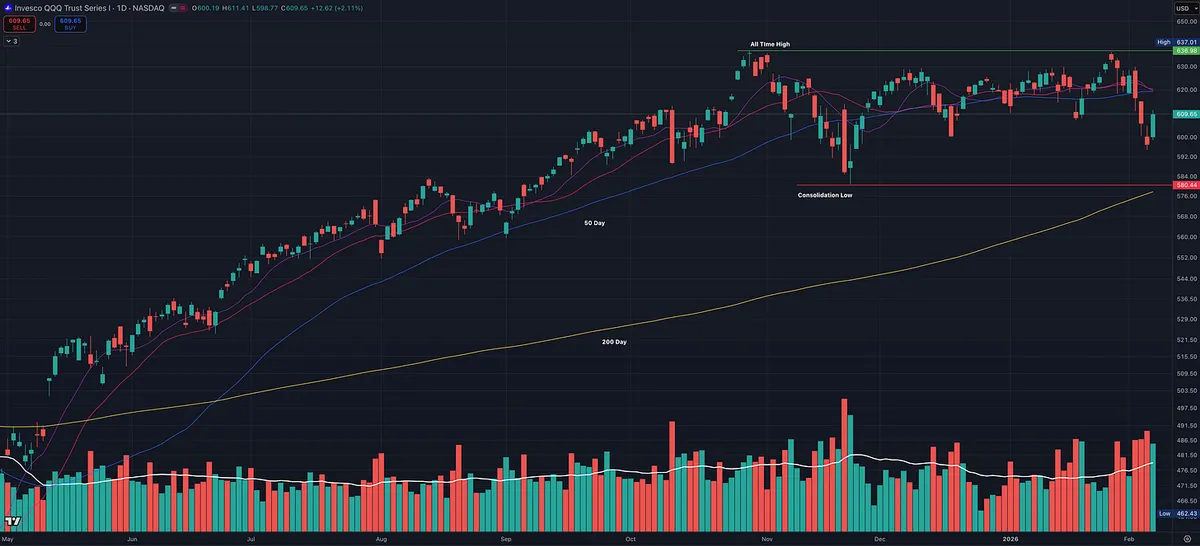
The Big Picture Market Pulse is part of that top-down process. It helps frame index structure, internal conditions, and the macro backdrop before I shift into a bottom-up process of screening and narrowing thousands of stocks.

Read here:https://tradingmomentum.substack.com/p/big-picture-market-pulse-february-f68

On SubstackBig Picture Market Pulse | February 7, 2026
View on Substack ↗

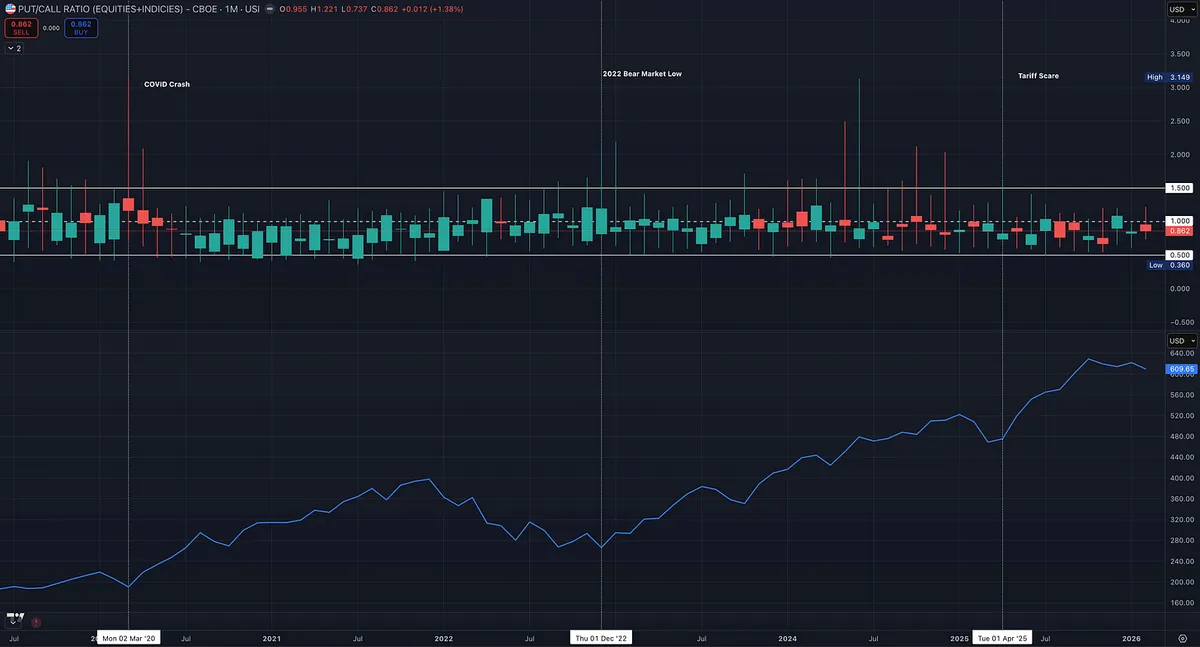
Put/Call Ratio: Useful, Not Perfect

No indicator works 100% of the time. Put/Call is no exception.

Honestly, I don’t put a ton of weight on sentiment by itself, and most traders don’t. If stocks and setups are working, you can press. If they stop working, that’s usually the first sign of a market shift. Then you start seeing it show up in the indexes, volume, and breadth.

That said, if you are going to look at sentiment, Put/Call is far better than surveys.

Surveys tell you what people say. Put/Call shows how people are actually positioning money.

That’s the key difference.

Looking at the longer-term Put/Call chart, you can see how spikes tend to show up around periods of stress or fear, like the COVID crash and the 2022 bear market low.

It’s not perfect though.

A good example is May–June 2024, where we saw a large spike that turned out to be a false signal. My guess is that move was driven by higher-for-longer rate fears, concerns about narrow market leadership, and macro hedging rather than true panic.

That’s why Put/Call should never be used as a standalone signal.

Think of it as:

  • A risk gauge, not a trigger

  • Context, not a call

  • Confirmation, not a strategy

Price still leads. Trend still matters. Sentiment just helps you understand the backdrop.

Positioning beats polling, but execution still beats everything.

View on Substack ↗

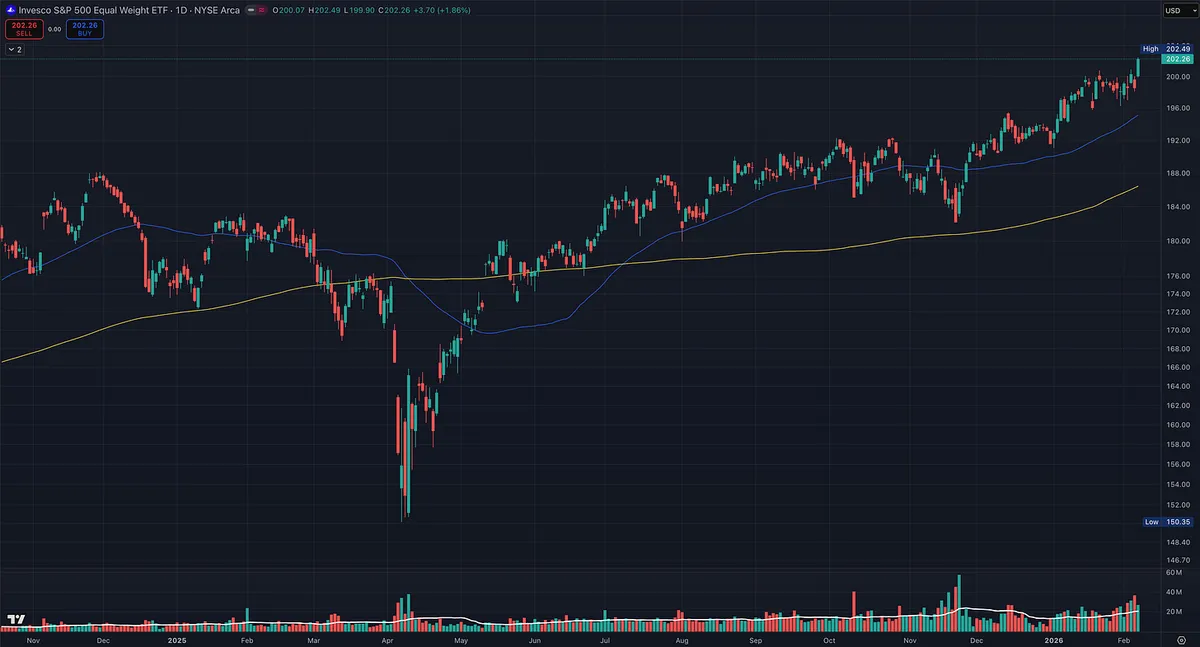
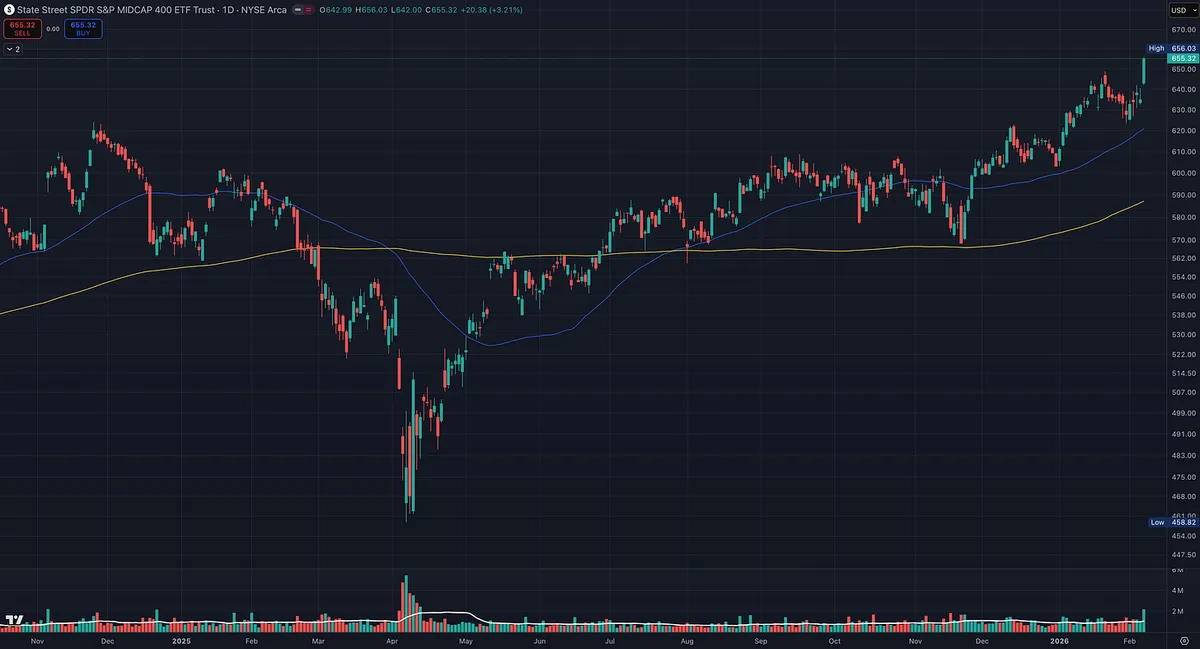
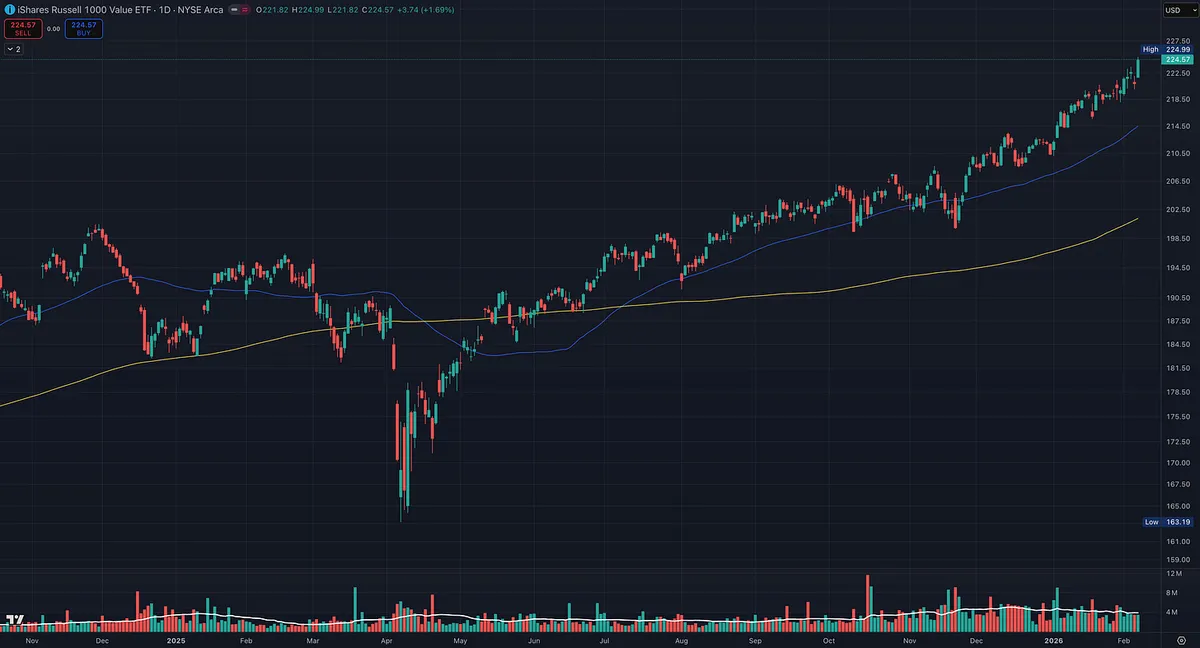
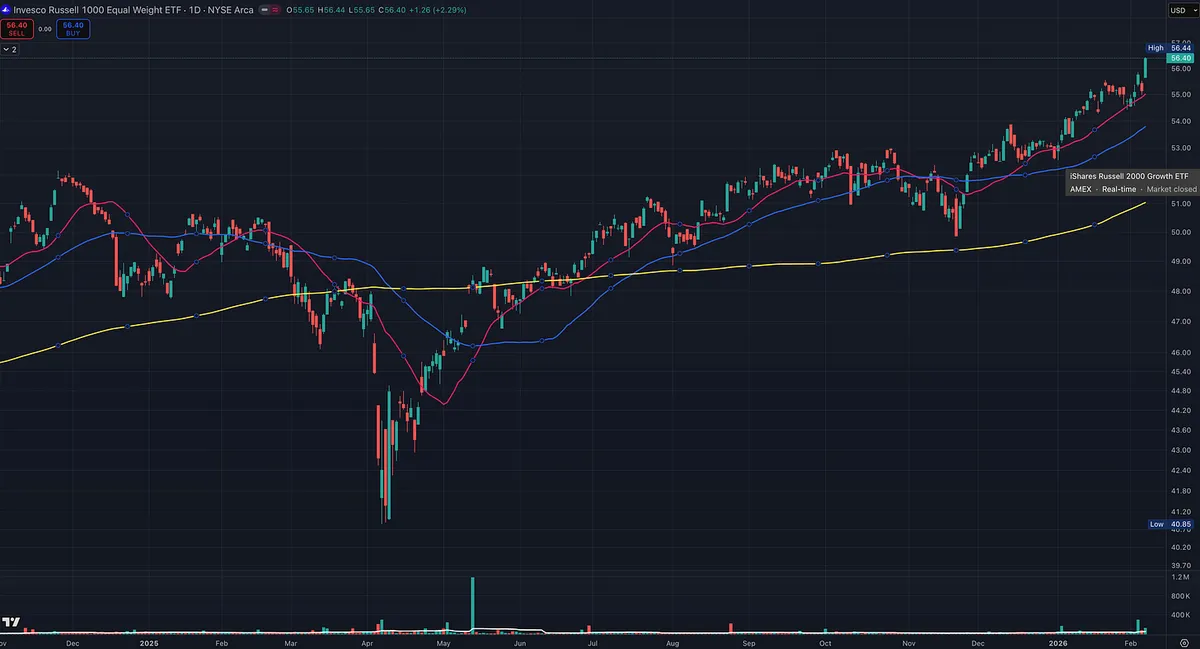
Why This Does Not Look Like a Major Market Top

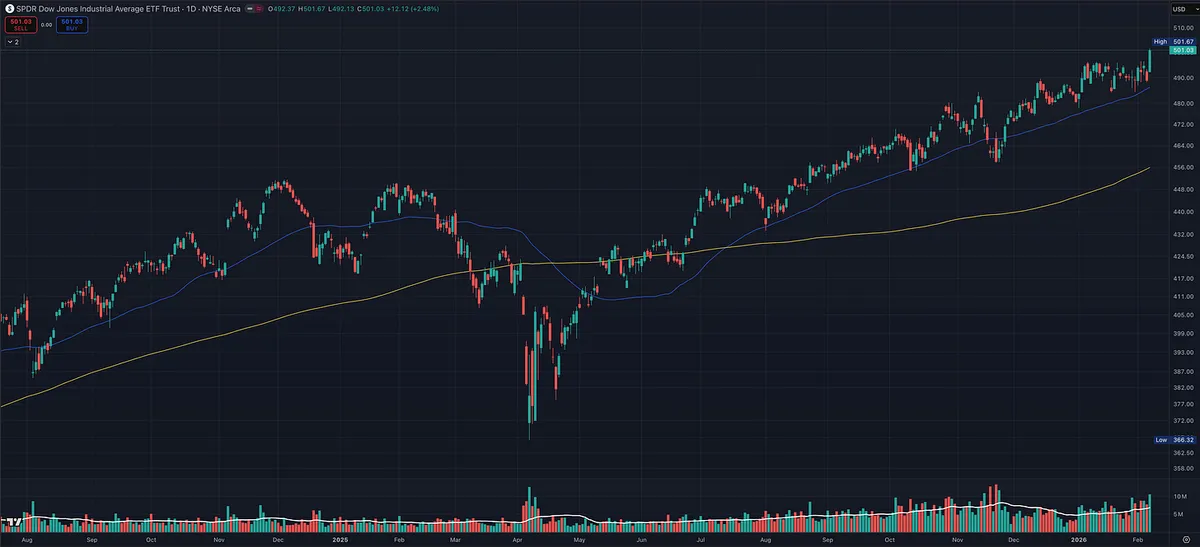
Major market tops typically occur when all indexes roll over together. Leadership narrows, breadth deteriorates, and downside momentum becomes synchronized across growth, value, small-caps, and large-caps.

In 2022, nearly every major index moved lower in unison, confirming a true bear phase. That is not what we are seeing today. Current weakness in certain areas is being offset by strength in others, reinforcing the view that the market is experiencing rotation rather than broad-based distribution.

View on Substack ↗

The Dividend Lie That Keeps Investors Poor

Imagine this.

You invest $250,000 into a stock paying a 4% dividend. That’s about $830 per month in income.

Six months later, the stock is down 30%.

Your position is now worth $175,000. You’re down $75,000.

But instead of focusing on that, you say:

“It’s not that bad. We’ve made almost $5,000 in dividends.”

You focus on the income. You ignore the drawdown. You remind yourself the dividends are reliable.

They’re also taxable.

And when doubt shows up, the final excuse appears:

“The stock will come back. They always do.”

Be honest. If you explained this clearly to any Market Wizard, would they buy it?

Or would they hear what it really is, a $75,000 loss being rationalized by a few checks?

This is how most dividend investors think.

Income feels like progress. Drawdowns feel temporary. Price feels irrelevant. Yield feels like protection.

Dividends don’t fix bad entries, broken trends, or poor allocation. They often just delay the decision that actually matters.

A 3 to 4 percent yield does not offset a 30 to 40 percent drawdown. It only makes the loss easier to tolerate.

Price is reality, and confusing comfort with discipline is how capital quietly disappears.

View on Substack ↗

Why Starting With Too Much Money Is One of the Biggest Trading Mistakes

Many of the traders featured in Market Wizards built their fortunes starting with only a few thousand dollars or a reasonably sized account.

That is not a coincidence.

One of the biggest problems in trading happens when someone enters the market with a large amount of money after being very successful in another career. In many cases, they are almost guaranteed to lose it.

Trading is a high performance skill. Like elite athletics or surgeons, it demands precision, repetition, and emotional control. But unlike most high paying careers, trading directly attacks your emotions every single day.

Ego. Fear. Overconfidence. The need to be right. The pain of loss.

Those pressures scale with account size.

That is why starting small matters.

As Richard Dennis put it, “Trade small because that’s when you are as bad as you are ever going to be.”

When you are new, your process is incomplete. Your discipline is untested. You do not yet know how you will react when trades go against you. Trading small protects you while you are still learning.

If you cannot trade well with a small account, adding more money will not fix the problem. It will magnify it. Larger size increases emotional pressure and makes it far more likely that you abandon rules at exactly the wrong time.

This is why so many great traders emphasize starting small.

If you can consistently manage risk, follow rules, and grow a few thousand dollars, the skill is real. If you cannot do that, you will not suddenly succeed with a few million.

The market does not care how successful you were elsewhere. It only rewards discipline, humility, and execution.

And those traits are best developed when the stakes are small.

View on Substack ↗

Markets Aren’t Rational. They’re Human.

The market is made up of humans.

And humans are not rational.

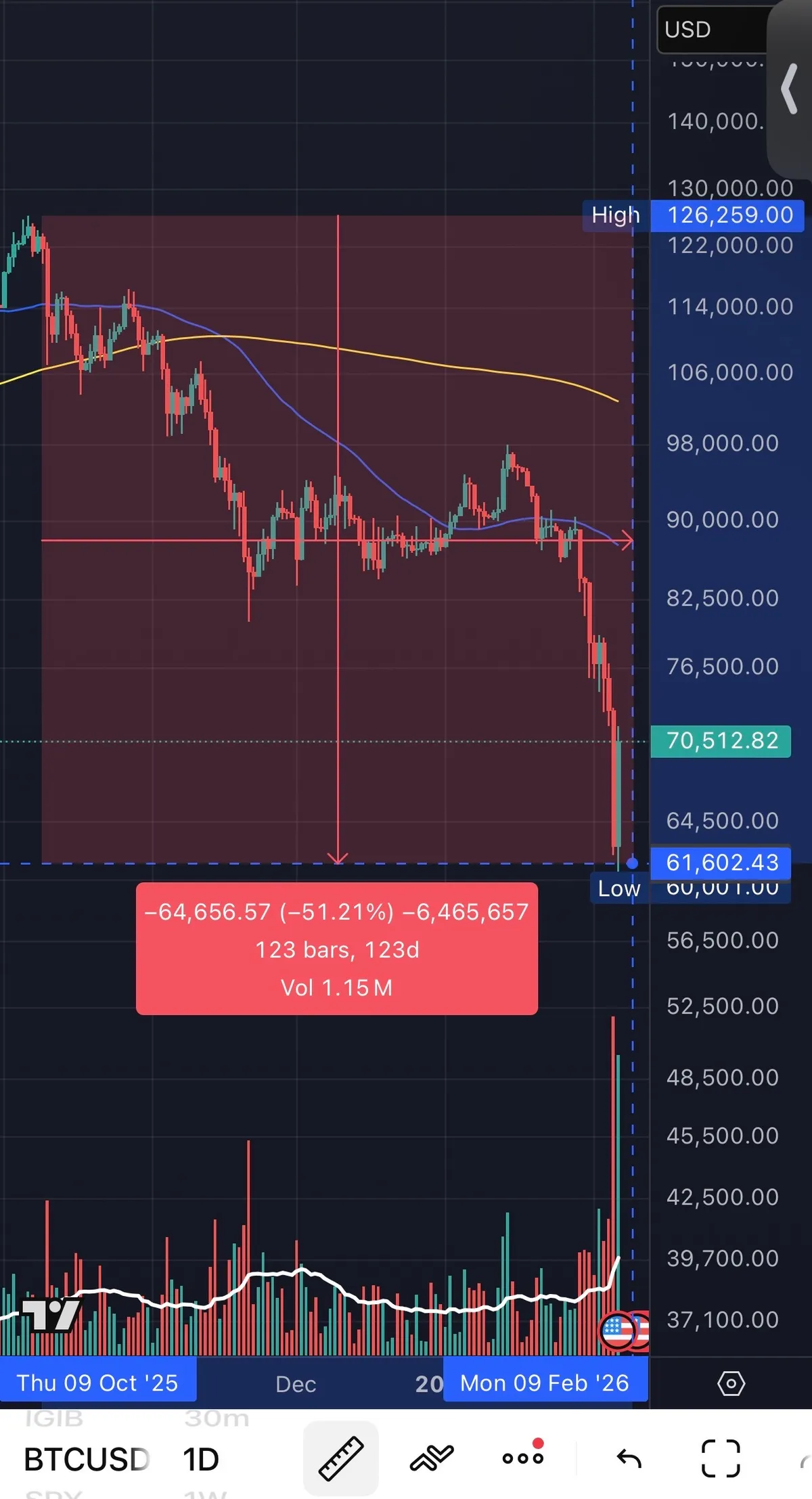
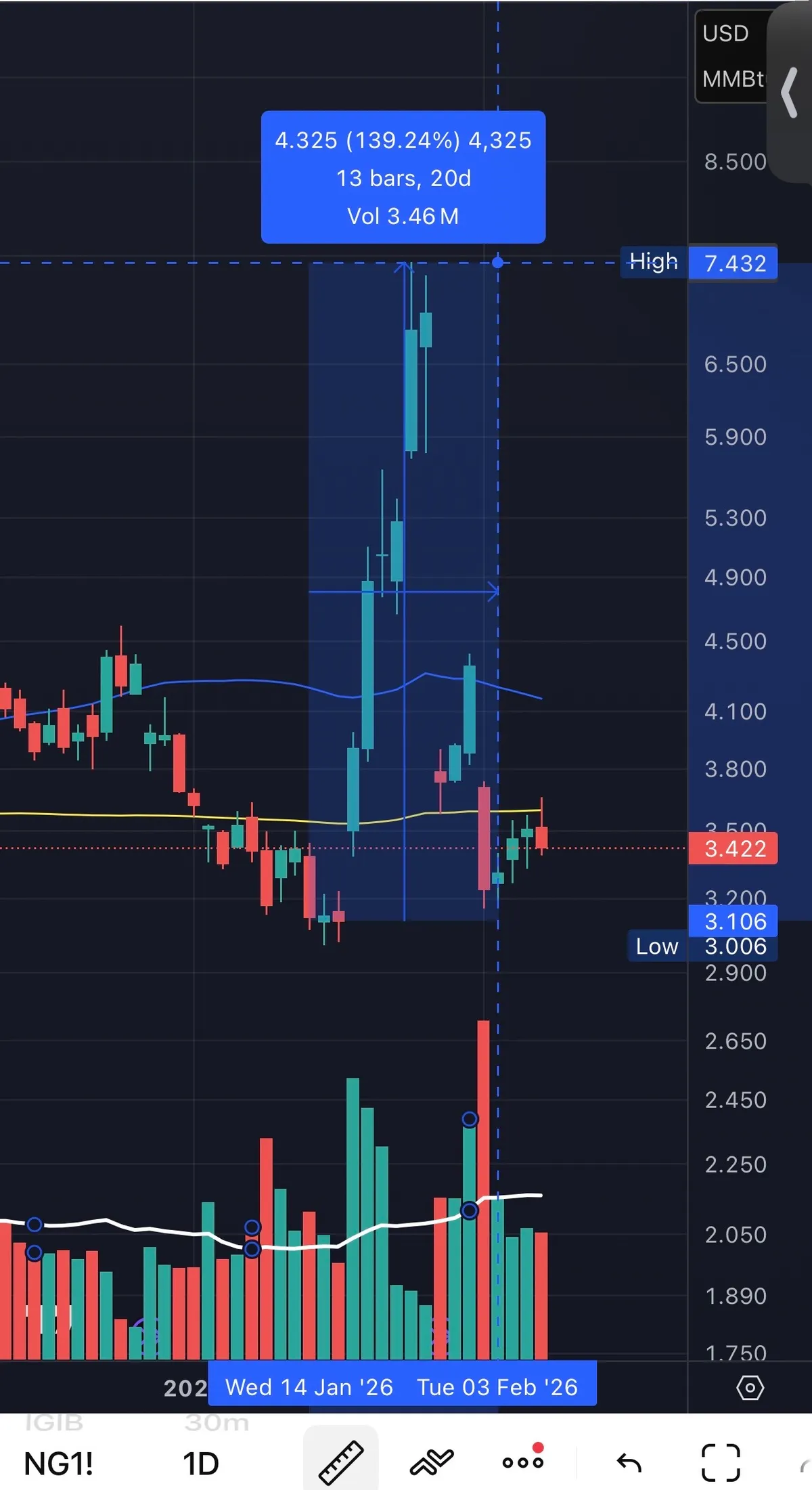
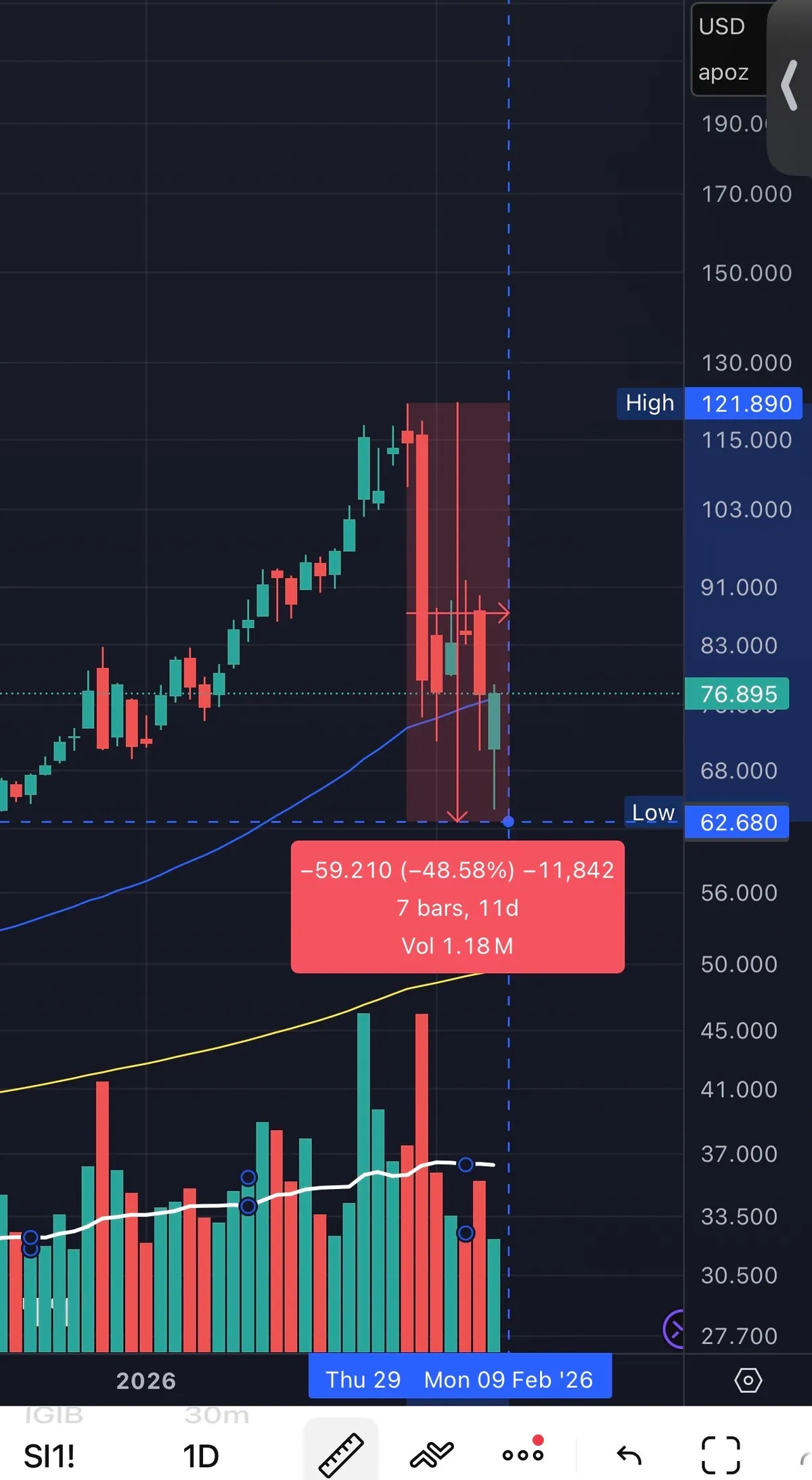
After living through enough events that once seemed unlikely, moves like this no longer surprise me. Not in silver. Not in stocks. Not in crypto.

Extreme moves only feel shocking if you expect people to behave logically under pressure.

They don’t.

Fear, greed, disbelief, and urgency drive decision making far more than models, narratives, or fair value. When enough people are positioned the wrong way, price does not move politely. It moves violently.

Even algorithms and systematic strategies are not immune. Humans design them. Humans monitor them. And under stress, humans override, tweak, or abandon their systems at exactly the wrong time.

That is why massive run ups and sharp collapses are not anomalies. They are a natural expression of human behavior showing up through price.

This is exactly why price and volume matter so much. They reflect what people are actually doing, not what they say they believe.

Irrational behavior will always exist because emotions will always exist.

The mistake is assuming markets should act calmly just because something looks obvious in hindsight.

They never have. And they never will.

Price is simply the scoreboard of collective psychology in real time.

And when sentiment reaches an extreme, the move that shocks most people is often the one that was inevitable all along.

View on Substack ↗

“Buy the best merchandise available, not the poorest.” -William O’Neil

This single line explains why I am willing to buy stocks that look “overpriced.”

Most people are trained to look for cheap stocks. Low P/E. Big discounts. What feels safe.

The problem is that the market does not reward what feels safe.

The biggest winners are rarely cheap. They look expensive because they are growing fast, attracting capital, and already being accumulated by institutions.

Price is information.

Strong stocks trade at premium valuations because demand is overwhelming supply. That is not a warning sign. That is often the point.

Cheap stocks are usually cheap for a reason. Slowing growth. Weak demand. Broken trends. Hope instead of momentum.

I would rather pay up for strength than gamble on weakness.

Over time, the market pays you for owning the best merchandise, not the bargain bin.

That is how real leaders are built.

View on Substack ↗

Why Earnings Acceleration Shows Up Before the Biggest Stock Winners

“More than 90 percent of the biggest stock market winners showed some form of earnings acceleration before or during their huge price moves.” - Mark Minervini

This is not a coincidence.

When a stock makes a truly meaningful advance, something fundamental is usually changing beneath the surface. Earnings acceleration is one of the clearest signs of that change.

Not just earnings growth. Acceleration.

It tells you the business is improving at a faster rate than before. Demand is strengthening. Margins are stabilizing or expanding. Prior expectations no longer fit the reality.

And the market cares far more about that shift than about a single quarter beating estimates.

This is why focusing only on headline earnings beats often misses the bigger picture. A stock can beat and still go nowhere if growth is slowing or expectations are already high.

What matters is when the numbers start turning higher in a meaningful way and the market begins to discount a different future.

That is often when institutions start building positions.

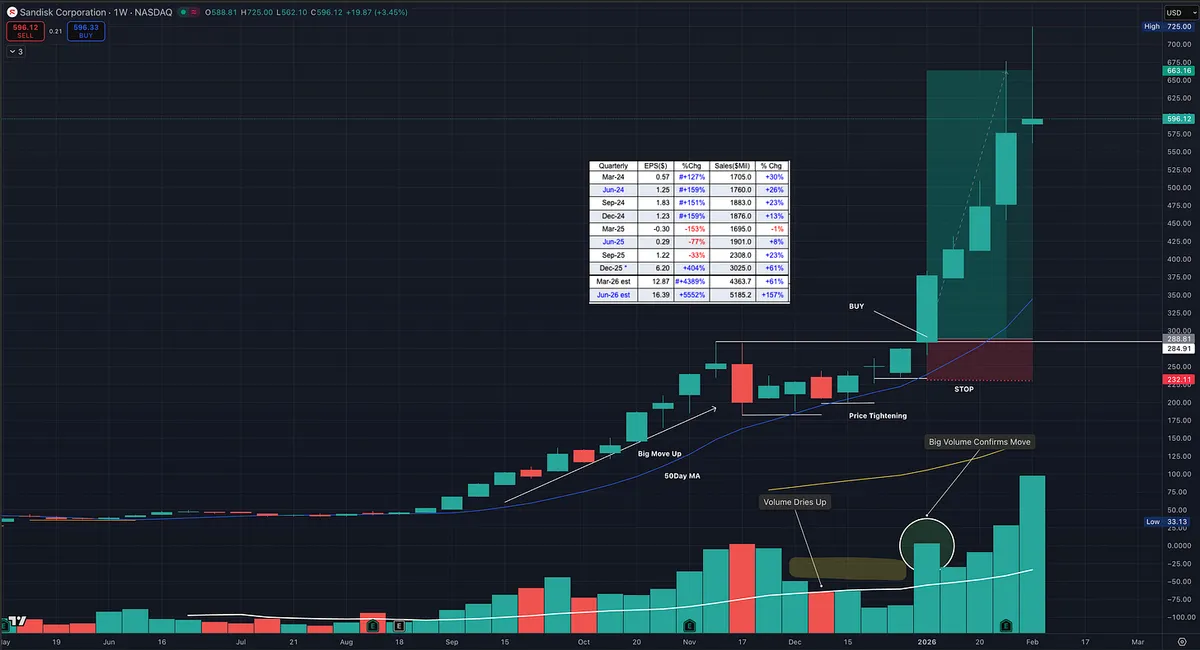
In the chart shown here, you can see earnings acceleration, followed by a period of deceleration, and then a powerful reacceleration. That reacceleration is what fueled this stock just as much as the impressive earnings and sales growth.

That is why earnings acceleration plays such a critical role in growth investing. It is not about predicting the future. It is about recognizing when the future is starting to change.

And more often than not, the biggest winners give you that signal before the largest price moves ever begin.

View on Substack ↗

Why Analyst Estimate Increases Are an Important Earnings Signal

Earnings beats matter.

Strong earnings growth, acceleration, and surprises are still the foundation of most major stock leaders. But there is another signal around earnings that traders often overlook.

Analyst estimate increases.

Earnings estimates are typically conservative by design. Analysts are not rewarded for bold projections. They are rewarded for staying close to consensus and avoiding being wrong.

If most analysts are estimating between $10.00 and $14.00 per share and the consensus sits around $12.00, who wants to be the one projecting $17.50?

Even if the company reports strong results, that aggressive estimate could make earnings look like a disappointment. The stock gets hit. The analyst looks careless. There is no upside to taking that risk.

So analysts cluster together.

They stay conservative. They stay within a narrow range. That allows companies to beat estimates without anyone sticking their neck out.

This is why many earnings beats fail to produce sustained upside. A modest beat is often expected and already priced in.

Where estimate increases become important is when something changes.

Analysts resist raising numbers. They do not do it casually. When estimates start moving higher across the board, it often signals improving demand, expanding margins, or accelerating growth that can no longer be ignored.

The old numbers stop working.

That does not replace the importance of earnings beats. It adds context.

The most powerful situations often involve both. Strong earnings results followed by upward estimate revisions.

Those are the moments when expectations are forced higher.

And that is often where leadership begins to emerge.