The Secret Signature of Superperformance
Why the Tightest Stocks Often Win the Biggest
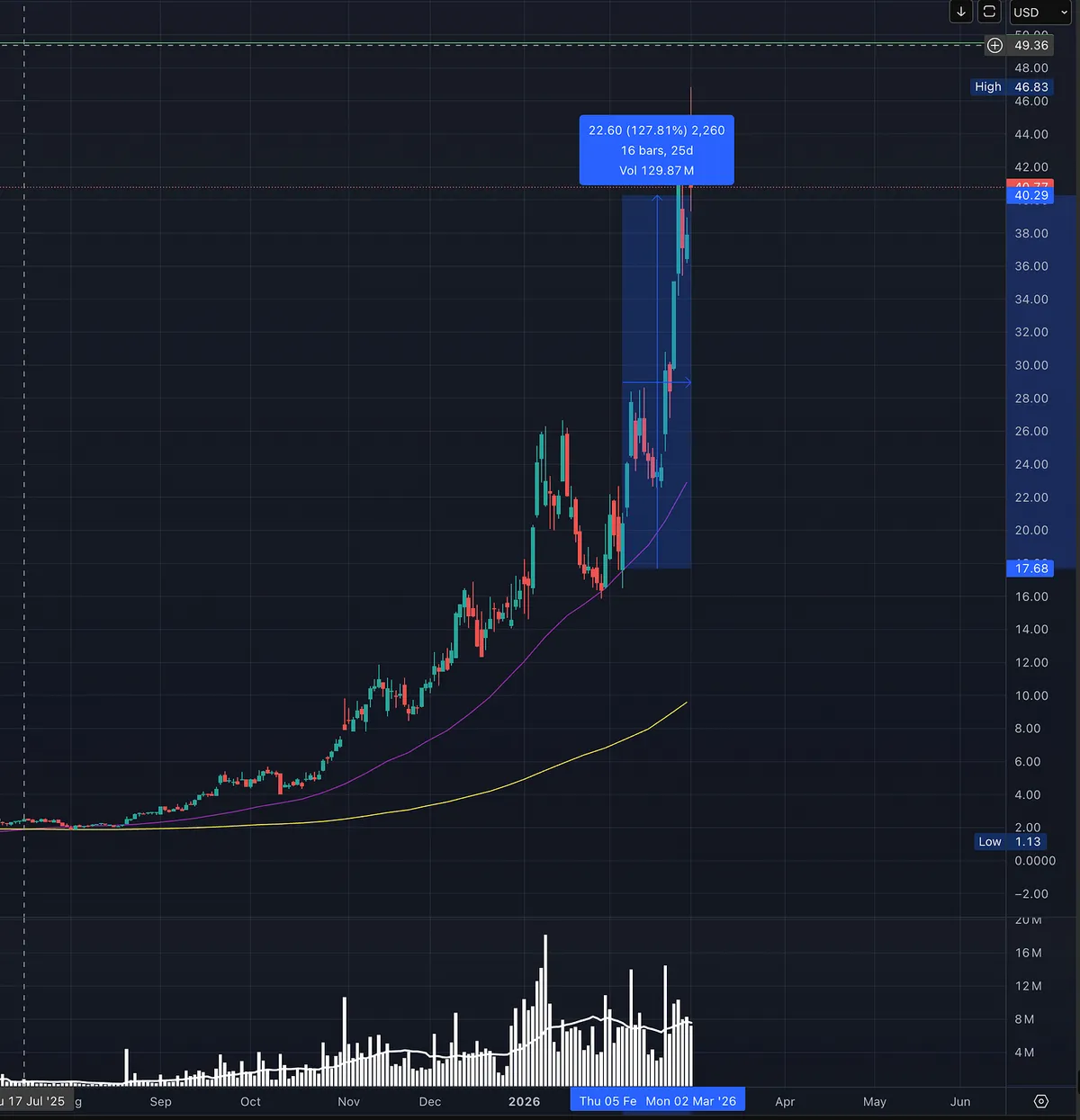
If you could spot a future monster stock before it makes its real move, would you?
Not because someone tipped you. Not because it “looks cheap.” But because the structure is telling you something.
In Think & Trade Like a Champion, Mark Minervini explains that before explosive breakouts, the best stocks often go through a Volatility Contraction Pattern, or VCP.
Here is the key:
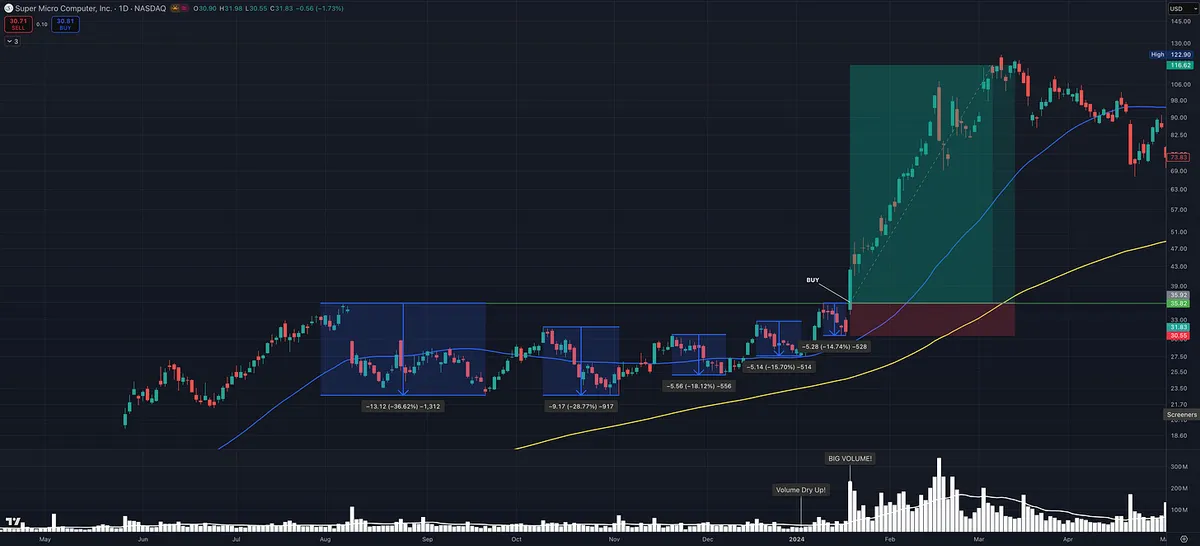
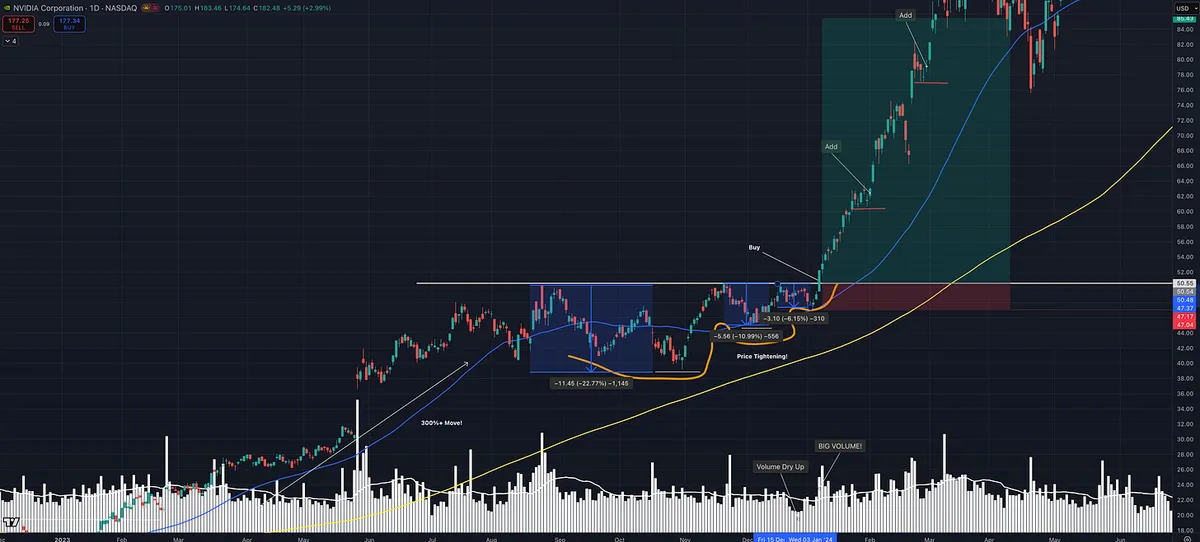
As price moves up the right side of a base, each pullback gets smaller.
The first drop might be 25 percent. The next 15 percent. Then 8 percent. Then maybe just 5 percent.
Each contraction is tighter than the one before.
That tightening is not random. It is supply drying up.
Weak holders get shaken out early. Stronger hands step in. Sellers become scarce.
The stock begins to coil.
A VCP is like a stock’s individual fingerprint. They all share the same core characteristics, but no two look exactly alike. Some have two contractions. Some have five. Some are deep early and tighten dramatically. Others are shallow the whole way through.
But the DNA is the same:
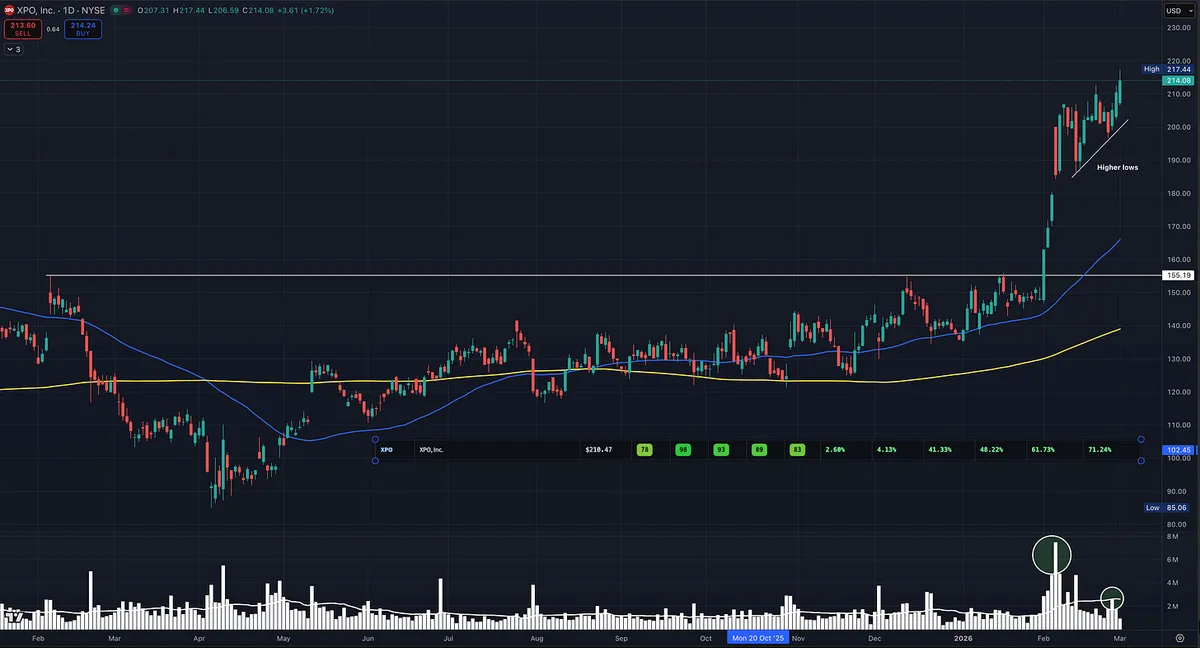
Higher lows
Declining volatility
Volume drying up near the pivot
Tight closes near the highs
The stock is under quiet accumulation.
When price finally pushes through the pivot on expanding volume, it often does so with force because there is simply less supply left to absorb demand.
You are not buying noise. You are buying compression.
And compression, when aligned with strong fundamentals and a healthy market, is often the launchpad for superperformance.
Study the contractions. Respect the tightening. Every great winner leaves clues before it runs.