Buying Earlier Won’t Fix a Bad Market.
Most of the time in a sideways, choppy market, I’m in cash.
Growth-stock momentum trading needs sustained follow-through. When the market keeps chopping up our setups, preserving capital is part of the strategy.
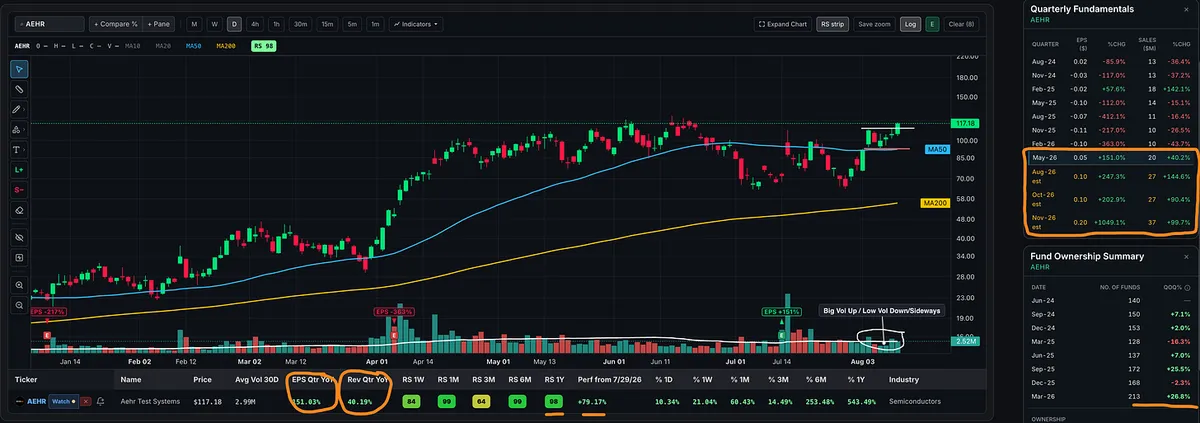
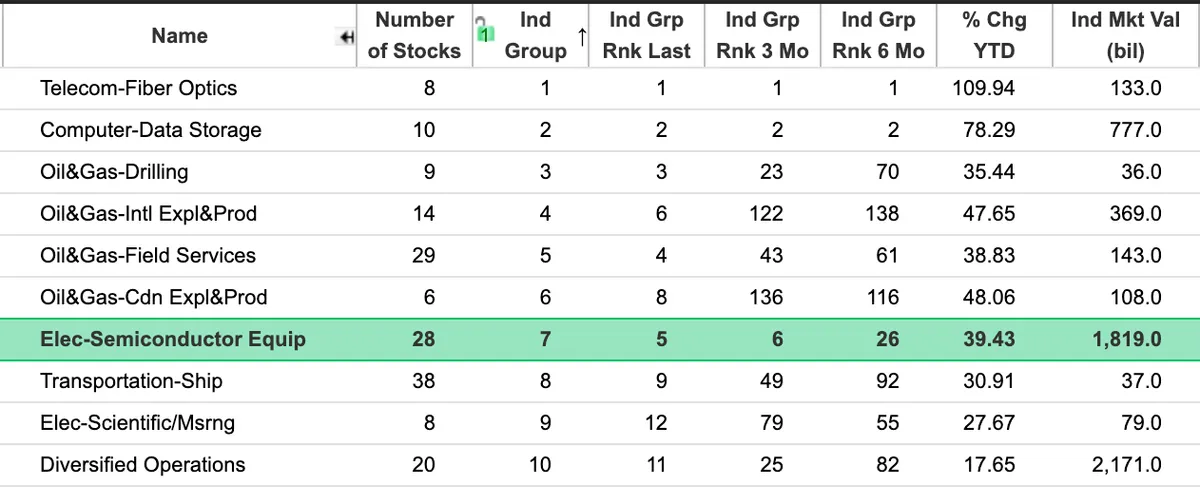
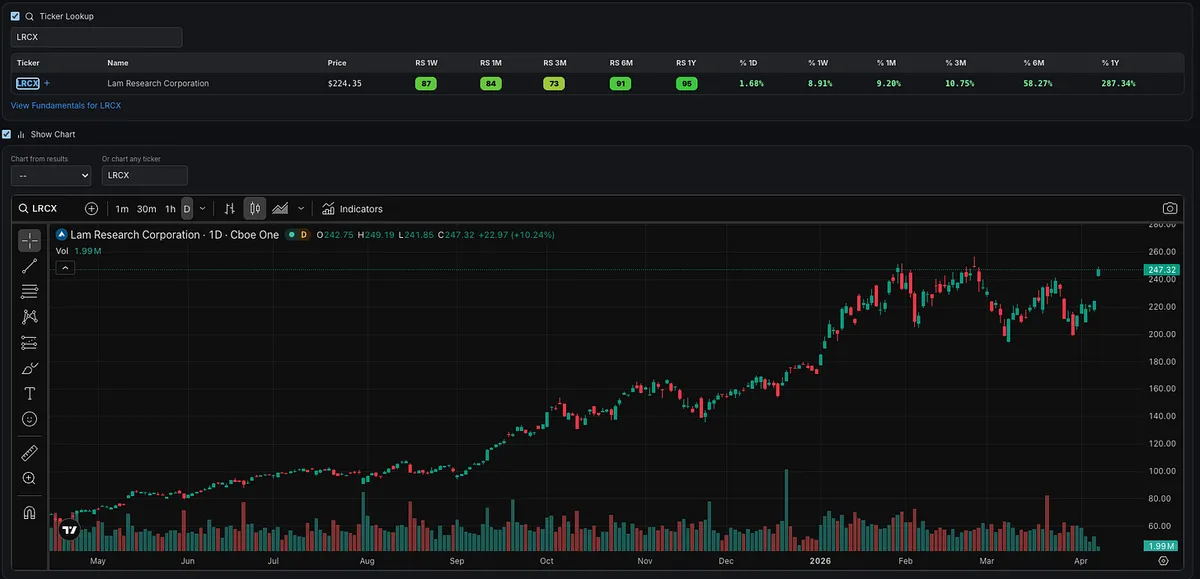
When I do trade, it’s usually because strong stocks are emerging within strong industry groups, while the market is pushing toward its highs and showing signs of transitioning out of the range. That’s why I was buying AEHR and other names in early August.
During those transitions, I’ve often found pullbacks and cheat entries easier to work with than traditional breakouts. That’s my experience, not an automatic rule.
I adapt to what the market is rewarding, including what my own trades are telling me.
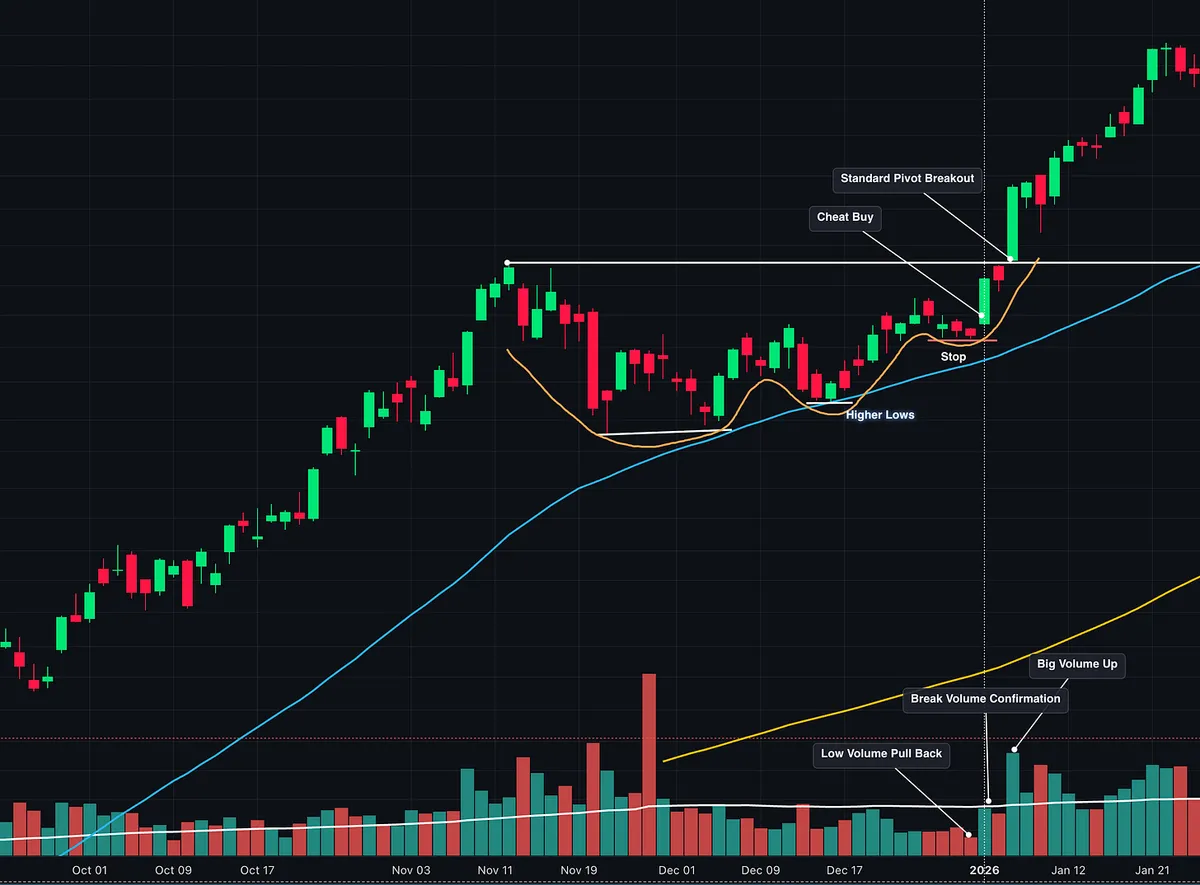
The stock-selection standards stay the same: strong relative strength, earnings and sales growth, industry leadership, and constructive price and volume action. I want volume supporting advances, quieter pullbacks, higher lows, and tightening price action up the right side of the chart.
A cheat entry means buying the turn higher through an earlier buy point within the base, before the standard breakout. A pullback entry means waiting for controlled selling to give way to a defined turn higher.
Neither means buying simply because the price is lower.
My stop is defined before entry, usually below the tight setup, relevant pullback low, or low of entry day provided that distance fits my risk limits.
There are trade-offs. Low cheats face more overhead supply. During transitions, I’m quicker to reduce risk as trades progress, even if that means cutting some off prematurely.
I make selective attempts and build exposure as they work. If the market keeps rejecting those attempts, I return to cash.
Cheat entry below: Buying the turn higher before the standard pivot breakout, with risk defined below the recent pullback low.