
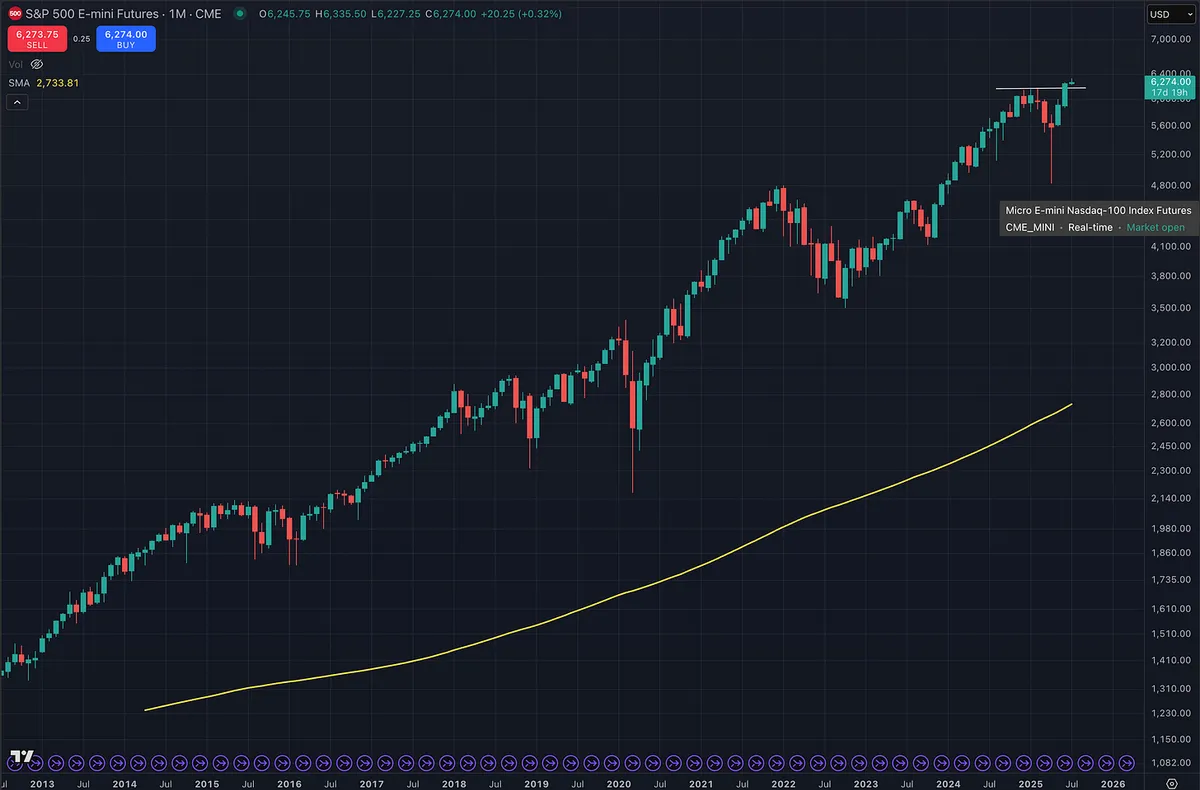
“When a market makes a historic high, it is telling you something” -Larry Hite, Market Wizard
Notes
Every note from Substack, in one place: risk, setups, leading stocks, market conditions and the mindset behind them. Search them, browse by topic, or filter by stock.
Showing 1221–1230 of 1230 notes
“When a market makes a historic high, it is telling you something” -Larry Hite, Market Wizard
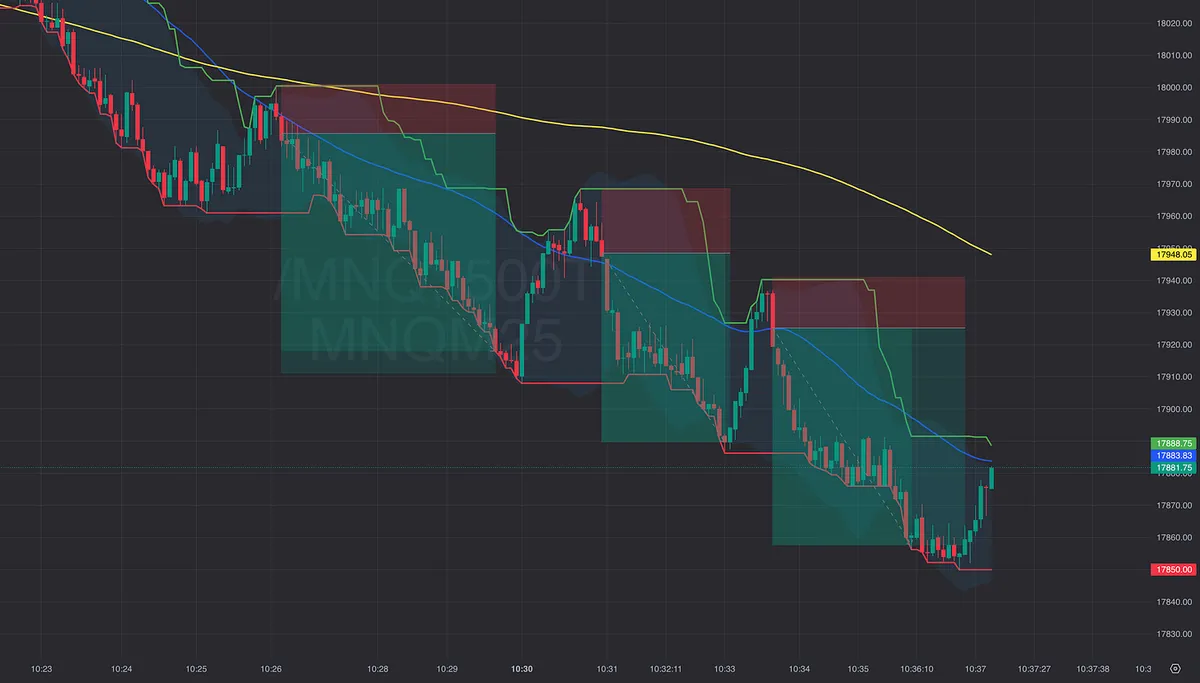
Clear trend. Clean entries. Low risk, higher reward.
Don’t pick tops. Don’t bottom fish.
Wait for the setup → grab the meat in the middle → get out.
-Don’t overstay your welcome.
-Don’t jump in early.
-Follow the trend.
“I don't try to pick bottoms or tops. I try to catch the meat in the middle.” — Bruce Kovner
“Whenever I enter a position, I have a predetermined stop. That is the only way I can sleep. I know where I’m getting out before I get in. The position size on a trade is determined by the stop, and the stop is determined on a technical basis.” — Bruce Kovner
“The market being in a trend is the main thing that eventually gets us in a trade.” — Richard Dennis
Timeless wisdom exists for living well and trading successfully, yet most ignore it. They’ll fail or suffer until pain forces the same lessons—then change, and win.
“Although the cheetah is the fastest animal in the world and can catch any animal on the plains, it will wait until it is absolutely sure it can catch its prey. It may hide in the bush for a week, waiting for just the right moment. It will wait for a baby antelope, and not just any baby antelope, but preferably one that is also sick or lame. Only then, when there is no chance it can lose its prey, does it attack. That, to me, is the epitome of professional trading.” - Mark Weinstein
📉 Think "Buy and Hold" Always Works? Think Again.
Most investors believe time heals all losses — but history (and inflation) tell a different story.
The truth? If you bought the 1929, 1968, or 2000 peaks… You waited 16 to 29 years just to break even in real terms.
"Time in the market" sounds great — until you realize time plus inflation can quietly crush your wealth.
👉 Read the full post: Buy and Hold? Not So FastWhat Wall Street won’t tell you about real returns. https://tradingmomentum.substack.com/p/buy-and-hold-not-so-fast-the-hidden
Markets change. Tech evolves. But human nature stays the same.
That’s why the world’s top traders—across styles, asset classes, and decades—follow many of the same core principles.
Here are 14 timeless trading rules, brought to life by the Market Wizards: 🔗https://tradingmomentum.substack.com/p/the-universal-trading-rules
“Soros has taught me that when you have tremendous conviction on a trade, you have to go for the jugular. It takes courage to be a pig. It takes courage to ride a profit with huge leverage. As far as Soros is concerned, when you’re right on something, you can’t own enough.”
-Stanley Druckenmiller
“It takes a medical student six-plus years to qualify as a doctor. Trading is like any other profession; it requires a long-term effort to succeed. If you are not prepared for that type of commitment, then my advice is don’t do it at all.”
-Daljit Dhaliwal, Market Wizard
Why do markets always repeat the same cycles?
Because humans don’t change. No amount of tech, AI, or speed removes fear and greed.
A quick thread on why Larry Hite’s quote is the most timeless market truth.
"The markets may change, but people won’t." — Larry Hite
Assets evolve:
Tulips 🌷
Railroads 🚂
Dot-coms 💻
Crypto 🚀
AI 🤖
But the emotions stay the same.
We chase returns when it’s good.
We panic sell when it’s bad.
We tell ourselves, "This time is different."
It never is.
The market humbles everyone eventually. It’s not about predicting every move. It’s about surviving long enough to let your edge work. Discipline beats brilliance over time.
In the end, it’s not your strategy that determines success— it’s your ability to stay disciplined when fear, greed, or boredom take over. Long-term survival comes down to emotional control. Because even the best edge is worthless if you can’t execute.
Trade Small—Because You’re as Bad as You’ll Ever Be
What’s the most important advice you could give a new trader?
Richard Dennis—one of the greatest traders of all time—nailed it:
“Trade small because that’s when you are as bad as you are ever going to be. Learn from your mistakes. Don’t be misled by the day-to-day fluctuations in your equity. Focus on whether what you are doing is right, not on the random nature of any single trade’s outcome.”
This advice is simple but brutally hard to follow—especially when you’re new, excited, and convinced you’re about to double your account in a week.
Trading small feels slow. It feels like you’re wasting time. But in reality, you’re buying the most valuable thing: experience without blowing up your account.
When you start, you’re guaranteed to be bad. You don’t know how you’ll react when you’re down. You haven’t faced the market’s randomness or your own emotions. You don’t have a system you trust yet.
Trading small gives you room to make mistakes and survive. It keeps you in the game long enough to learn the only lesson that matters: Your job is to trade well, not to chase outcomes.
A good trade can lose. A bad trade can win. The outcome of one trade is noise. What matters is sticking to your process—over, and over, and over.
Ironically, if you master that, the money eventually comes. But it starts with humility, discipline, and sizing small until you’ve earned the right to size up.
Stay small. Stay alive. Keep learning.