Momentum Trading Strategy

Notes

Lessons from Legendary Traders

Notes built around one named market figure's own words or story, such as O'Neil, Livermore, Minervini, Seykota, Druckenmiller, Tudor Jones or other Market Wizards.

Showing 241–260 of 263 notes

View on Substack ↗

Nicolas Darvas, in How I Made $2,000,000 in the Stock Market, explained one of the most profound realizations of his trading career, that consistent success didn’t come from being right all the time, but from making more when right than losing when wrong.

He accepted that no system could predict markets perfectly, even the best traders might only be correct half the time. What mattered was risk management and the ability to protect capital when wrong while compounding profits when right.

Darvas also displayed a remarkable level of self-awareness. He recognized his emotional weakness, his tendency to sell too soon out of fear, and designed a systematic solution to overcome it. As he wrote:

“There was only one answer to this danger: My profits had to be bigger than my losses.

I had learned from experience that my most difficult problem was to discipline myself not to sell a rising stock too quickly. I always sold too quickly because I am a coward. Whenever I bought a stock at 25 and it rose to 30, I became so worried it might go back that I sold it. I knew the right thing to do but I invariably did the opposite.

I decided that since I could not train myself not to get scared every time, it was better to adopt another method. This was to hold on to a rising stock but, at the same time, keep raising my stop-loss order parallel with its rise. I would keep it at such a distance that a meaningless swing in the price would not touch it off. If, however, the stock really turned around and began to drop, I would be sold out immediately. This way the market would never be able to get more than a fraction of my profits away.”

👉 Read more → https://tradingmomentum.substack.com/p/nicolas-darvas-the-dancer-who-outsmarted
ArticleNicolas Darvas: The Dancer Who Outsmarted Wall Street and the Timeless Lessons That Still Work Today
View on Substack ↗

Stanley Druckenmiller — one of the greatest investors of our time — said this about macro and fundamental data:

He uses both fundamentals and technicals. But for those who get stuck in their fundamental view and stop paying attention to the ultimate indicator — price — this one’s for you 👇

“I don’t use what traditional economists use to predict the economy, which is things like employment and a bunch of macro, top-down statistics. In fact, I started my career as a bank and chemical analyst, and over time I learned that the inside of the stock market had a very, very present message about future economic activity. And for whatever reason, stocks tend to lead the fundamentals by somewhere between six and twelve months. And you can even go beyond that and look at industries that lead the economy and industries that lag the economy.”

-Stanley Druckenmiller

https://www.youtube.com/shorts/joTuj2PVWYY?feature=share

youtube.com- YouTube
View on Substack ↗

“Most investors think that charts are hocus-pocus. Only about 5 to 10 percent of investors understand charts. Even a lot of professionals are totally ignorant about charts. Just as a doctor would be foolish not to use X-rays and EKGs, investors would be foolish not to use charts.”

— William J. O’Neil

View on Substack ↗

Trading Wisdom from Market Wizards

“Although the cheetah is the fastest animal in the world and can catch any animal on the plains, it will wait until it is absolutely sure it can catch its prey. It may hide in the bush for a week, waiting for just the right moment. It will wait for a baby antelope, and not just any baby antelope, but preferably one that is also sick or lame. Only then, when there is no chance it can lose its prey, does it attack. That, to me, is the epitome of professional trading.”

— Mark Weinstein, Market Wizards (Jack D. Schwager)

View on Substack ↗

“The most important is discipline—I am sure everyone tells you that. Second, you have to have patience; if you have a good trade on, you have to be able to stay with it. Third, you need courage to go into the market, and courage comes from adequate capitalization. Fourth, you must have a willingness to lose; that is also related to adequate capitalization. Fifth, you need a strong desire to win.” -Gary Bielfeldt

View on Substack ↗

Charlie Munger was absolutely right:

"The big money is not in the buying and selling, but in the waiting."

But here's the nuance most miss:

First, many investors haven’t clearly defined whether they’re short-term traders, swing traders, or long-term investors. Without that clarity, they end up with mismatched expectations and behavior.

Second, patience alone isn’t the edge—strategic patience is. I know plenty of investors who’ve held losing positions for years, waiting for a turnaround that never comes. That’s not discipline—that’s hope without a plan.

Yes, patience is vital whether you're scalping in seconds or holding world-class businesses for decades. But the edge comes when patience is combined with a complete strategy: knowing what to buy, when to buy, and more importantly—when to sell.

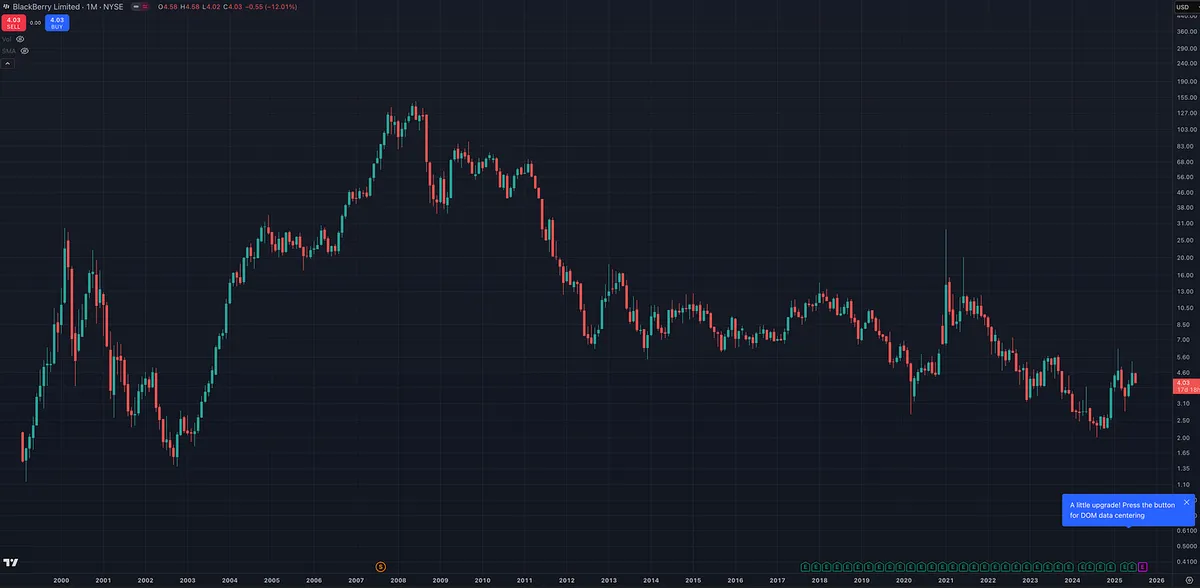
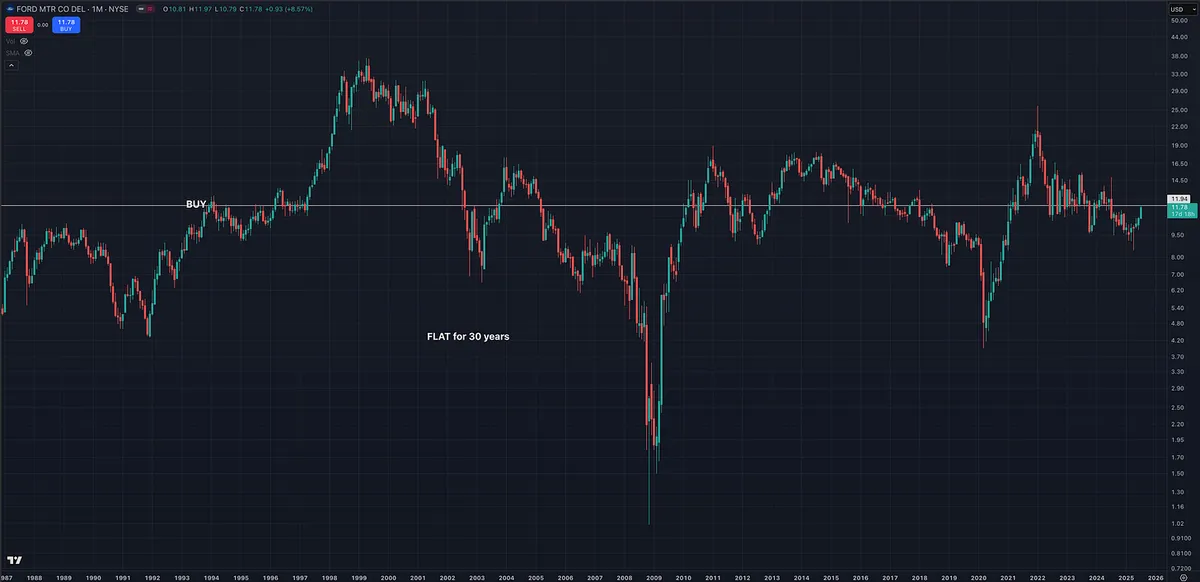
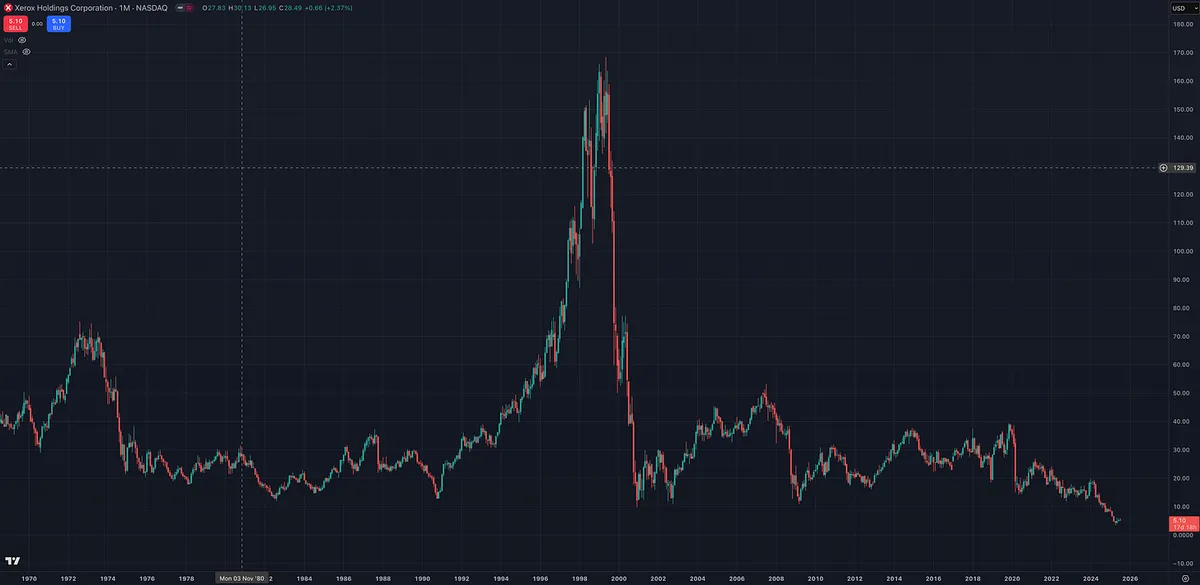
Good companies come and go. Just because a business helped you build wealth doesn’t mean it will continue to do so. You might buy a stock at $20, watch it run 1,000% over two decades, and end up back at breakeven simply because you had no sell rules.

Patience isn’t passive—it’s active, informed waiting with a plan. That’s the real edge.

View on Substack ↗

“Although the cheetah is the fastest animal in the world and can catch any animal on the plains, it will wait until it is absolutely sure it can catch its prey. It may hide in the bush for a week, waiting for just the right moment. It will wait for a baby antelope, and not just any baby antelope, but preferably one that is also sick or lame. Only then, when there is no chance it can lose its prey, does it attack. That, to me, is the epitome of professional trading.”  - Mark Weinstein