
Trading articles/Nicolas Darvas: The Dancer Who Outsmarted Wall Street and the Timeless Lessons That Still Work Today
Oct 23, 2025 · Momentum Trading Strategy
Nicolas Darvas: The Dancer Who Outsmarted Wall Street and the Timeless Lessons That Still Work Today
How a self-taught ballroom dancer turned $10,000 into $2 million and why his ideas still shape the way great traders think today.
Originally published on Substack.
In the 1950s, while touring the world as a professional ballroom dancer, Nicolas Darvas quietly turned a modest $10,000 investment into more than $2 million, all while performing nightly across continents.
His story, told in How I Made $2,000,000 in the Stock Market, isn’t about luck. It’s about mastering discipline, psychology, and risk, and realizing that markets reward reaction, not prediction.
“I can become a diagnostician but I can never become a prophet.” — Nicolas Darvas
He learned that the market cannot be controlled; it can only be observed, measured, and navigated, like a dance whose rhythm you follow, not lead.
The Darvas Box Theory: Simplicity with Precision
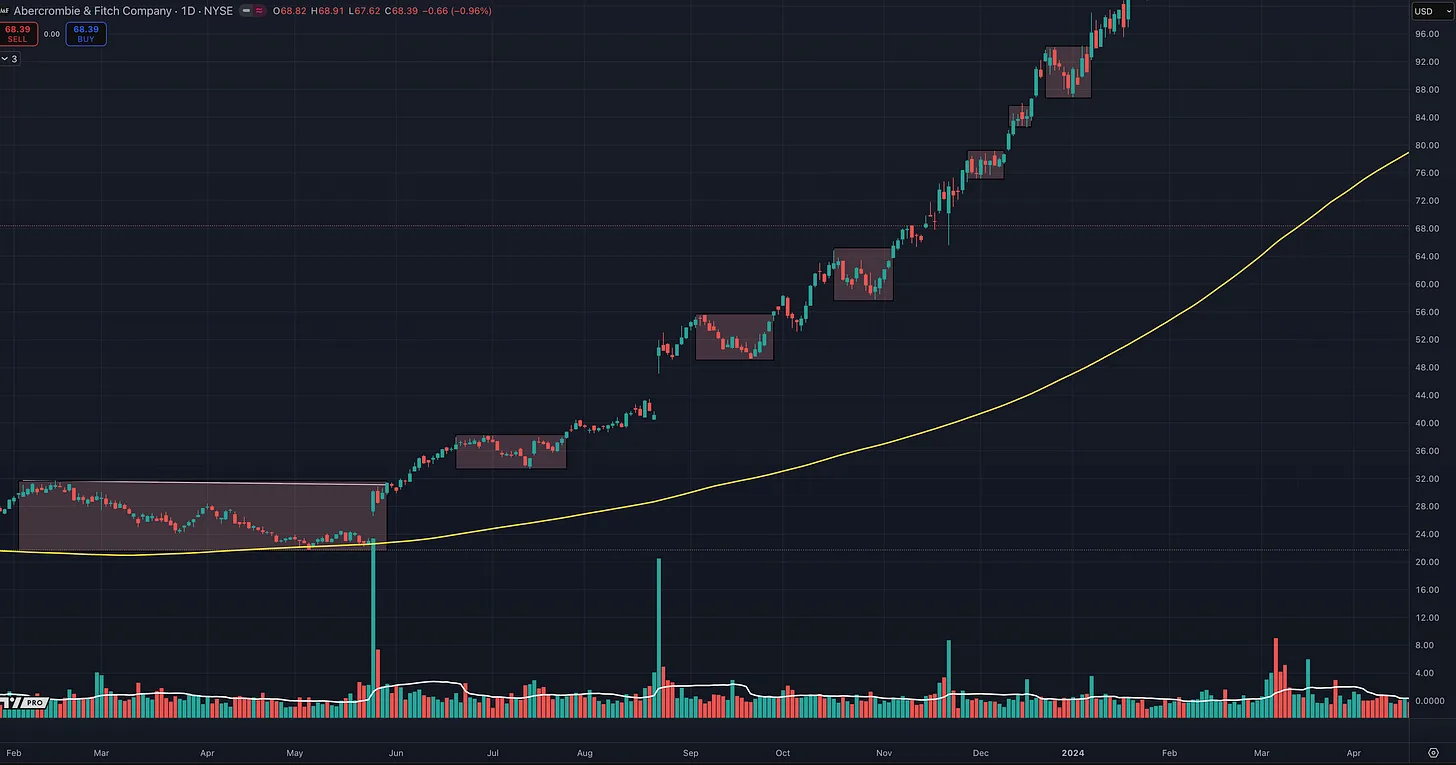
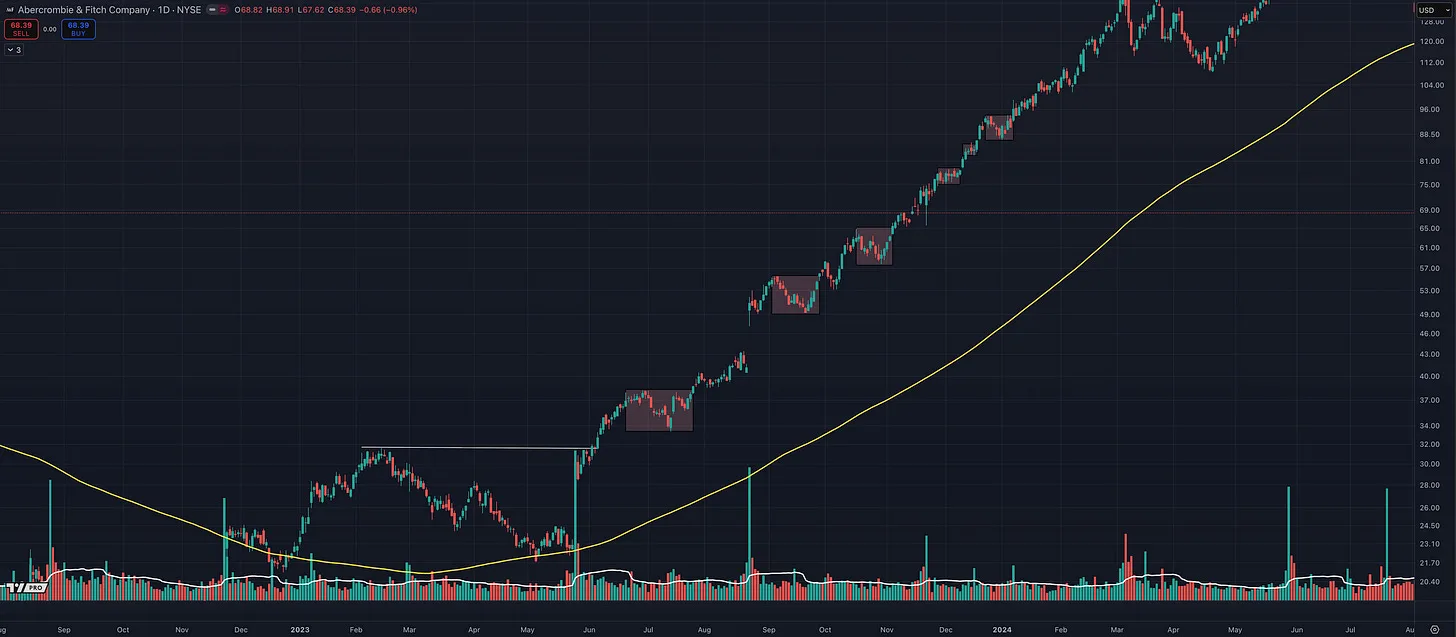
Darvas discovered that strong stocks didn’t move randomly. They advanced in defined stages, what he called boxes.
“Stocks did not fly like balloons in any direction. As if attracted by a magnet, they had a defined upward or downward trend, which, once established, tended to continue. Within this trend stocks moved in a series of frames, or what I began to call ‘boxes.’”
Each box represented a consolidation zone, a normal period of balance between buyers and sellers before the next move.
How His System Worked
- Find Stocks Making New or All-Time Highs
Darvas only bought strength: stocks breaking into new high ground on strong volume. - Identify the Box (Trading Range)
He drew boxes around clear highs and lows. These frames visualized healthy volatility: higher highs and higher lows. - Buy the Breakout
When price broke above a box ceiling on rising volume, he entered.
“When the boxes of a stock stood like a pyramid on top of each other, and my stock was in the highest box, I started to watch it… If this occurred, I bought the stock.”
- Set a Flexible Stop-Loss
He often placed the stop just below a pivot low inside the box, wide enough for natural swings but tight enough to prevent large losses.
“I would keep it at such a distance that a meaningless swing in the price would not touch it off. If, however, the stock really turned around and began to drop, I would be sold out immediately.”
- Trail the Stop as Price Gains
As new boxes formed, he raised the stop with them, not too tight, allowing room for normal price action, yet always protecting profit.
“I just jog along with the trend trailing my stop-loss insurance behind me.”
- Exit on a Breakdown
When price broke below the box, forming a lower one, he sold out immediately.
“If it fell to 44½, I eliminated it as a possibility… anything below 45 meant it was falling back into a lower box and this was all wrong; I wanted it only if it was moving into a higher box.”
How Darvas Read His Boxes
To Darvas, boxes were maps of a stock’s psychology:
- Each new box = a higher step: higher highs and higher lows.
- Consolidations = resting periods showing continued demand.
- Movement inside the box was healthy:
“It could bounce between the top and the bottom of the box and I was perfectly satisfied. In fact, if it did not bounce up and down inside that box I was worried.”
- A drop below the box signaled the trend was broken.
When boxes pyramided up, he added to winners.
When they reversed and pyramided down, he exited.
“No such animals as good or bad stocks, there are only rising or falling stocks. I should hold the rising ones and sell the falling ones.” — Nicolas Darvas
Darvas’s Rules and Weapons
Darvas distilled his entire approach into clear objectives and tools.
Objectives and Rules:
1️⃣ Right stocks
2️⃣ Right timing
3️⃣ Small losses
4️⃣ Big profitsWeapons:
1️⃣ Price and Volume
2️⃣ Box Theory
3️⃣ Automatic Buy Orders
4️⃣ Stop-Loss Orders
His discipline was absolute:
- Trend continue = buy more.
- Trend reverse = sell out.
The Psychology Behind the System
Darvas learned that even with an edge, any stock can do anything.
“I learned that there is no such thing as ‘cannot’ in the market.”
He built his philosophy on four timeless truths:
- No Sure Thing — He expected to be wrong half the time, keeping losses small.
- Ego Kills — “Pride and ego have no place in the market.”
- Be a Diagnostician, Not a Prophet — He read price and volume like symptoms.
- Manage Risk — His stop-loss was his “quick-loss weapon.”
“If I was wrong, I was wrong quickly. I could always buy it back.”
Darvas’s genius was not prediction, it was self-control.
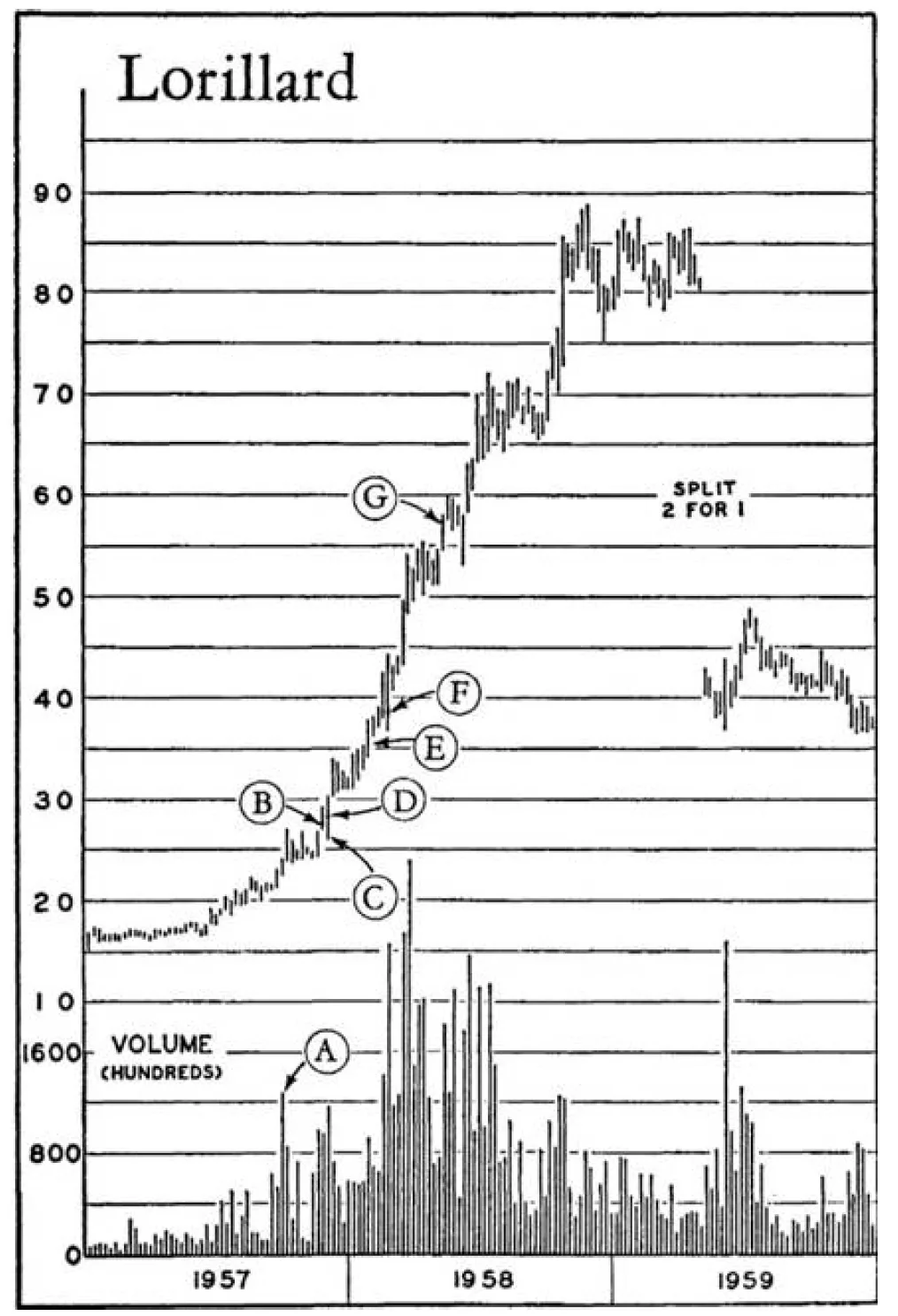
Example: Lorillard — A Classic Darvas Winner
He spotted Lorillard breaking above $27, a new all-time high, and pyramided positions as new boxes formed.
“A few days later a sudden drop touched off this stop-loss and he was sold out… The immediate rise convinced me my first assessment was correct, and I bought my 200 shares again at 28¾.”
That trade earned him $21,000 and became his proof that discipline + structure = freedom.
“There is no reason to sell a rising stock.” — Nicolas Darvas
A Modern Example: Abercrombie & Fitch (ANF)
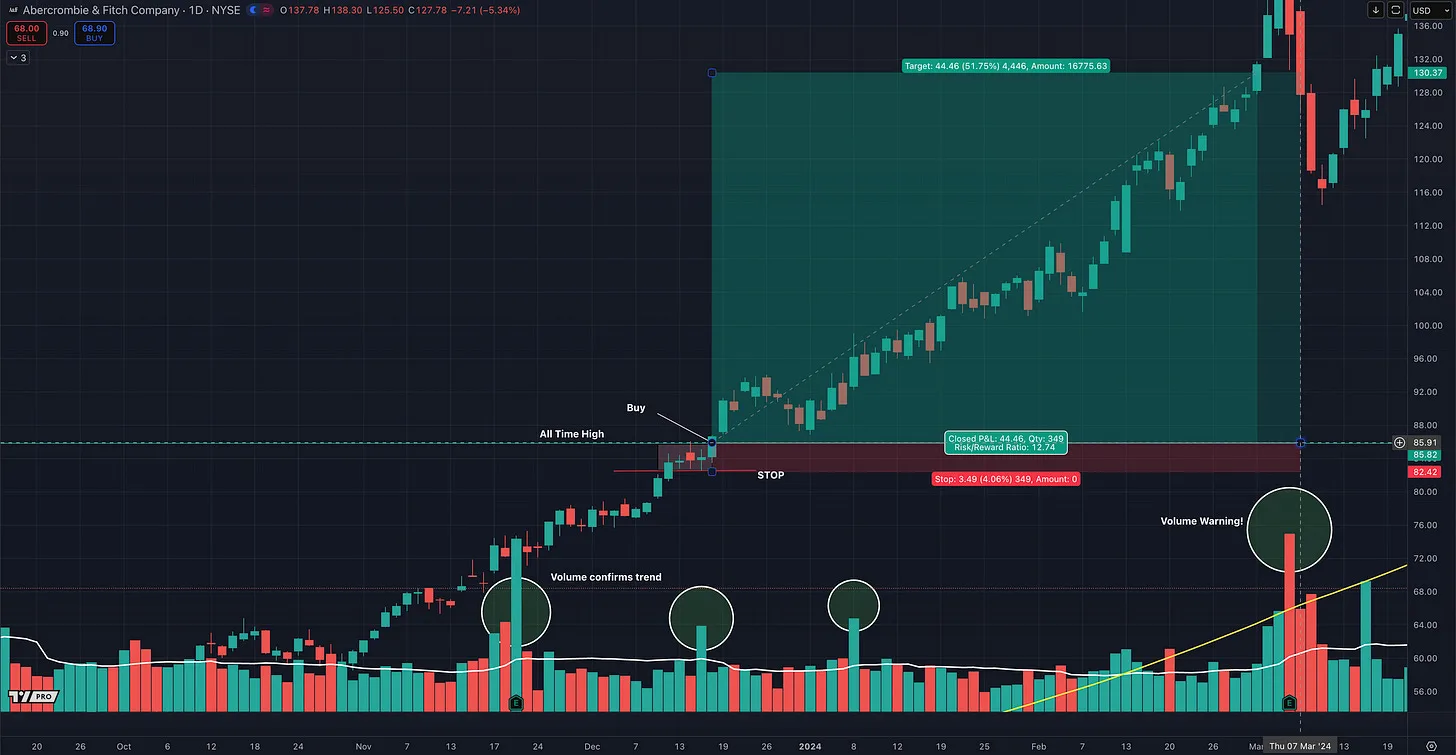
- The Box: A tight consolidation just below all-time highs.
- The Breakout: A surge above the box ceiling on rising volume.
- The Stop: Set just below a pivot inside the box or slightly below the lower end of the box, flexible yet disciplined, allowing normal price movement but protecting against a true breakdown.
- The Trend: Stops trailed higher with each new box until a clear breakdown.
Even in modern markets, the rhythm remains:
Buy new highs. Confirm with volume. Trail stops. Sell on breakdown.
Even Success Breeds Danger
After his first half-million, Darvas entered what he called his second crisis.
Success made him careless. He began listening to others and drifting from his own rules.
“I had been so sure of myself that I began to follow the herd. I became fearful when I should have been hopeful and hopeful when I should have been fearful.”
The result was confusion and self-doubt:
“I wandered around Paris in a daze… I had completely lost my touch. I was thoroughly demoralized.”
He realized he had to cut out outside noise:
“I decided to make it a permanent rule that I must never visit a brokerage office again. I must place Wall Street thousands of miles away from me.”
The lesson endures: even after success, you must guard against ego and crowd influence.
Markets test not just your system but your ability to stay true to it.
The Lineage: From Livermore to Darvas to Modern Masters
Darvas extended Jesse Livermore’s timeless trend principles, buying strength, cutting weakness, and letting profits run, into a structured, rule-based system that controlled his emotions in trading.
His ideas later shaped William O’Neil, whose CAN SLIM method modernized breakout and volume analysis. O’Neil’s work, in turn, influenced David Ryan, Dan Zanger, and Mark Minervini, all of whom refined Darvas’s foundation into the advanced momentum and growth strategies used today.
Each of these traders follows the same lineage of wisdom:
- Price and volume tell the truth.
- Risk management comes first.
- Trends are to be ridden, not predicted.
“As the trend continued, I would buy more. When the trend reversed? I would run like a thief.” — Nicolas Darvas
Why Darvas Still Matters Today
Darvas’s edge was timeless because it was human.
Markets evolve, but fear and greed never change.
“The market rewards discipline, not prediction.” — Nicolas Darvas
He proved that success isn’t about forecasts, it’s about rules, humility, and self-awareness.
Final Thoughts
Nicolas Darvas was more than a dancer who struck it rich, he was a thinker who turned chaos into rhythm.
He taught that the only constant in the market is human behavior and the only defense against it is discipline.
“I never try to predict the market. My method is entirely based on reacting to what the market actually does.” — Nicolas Darvas
Sixty years later, the choreography hasn’t changed:
Buy strength. Cut weakness. Let price lead and dance with the trend.
More in Legendary Traders
All Legendary Traders articles →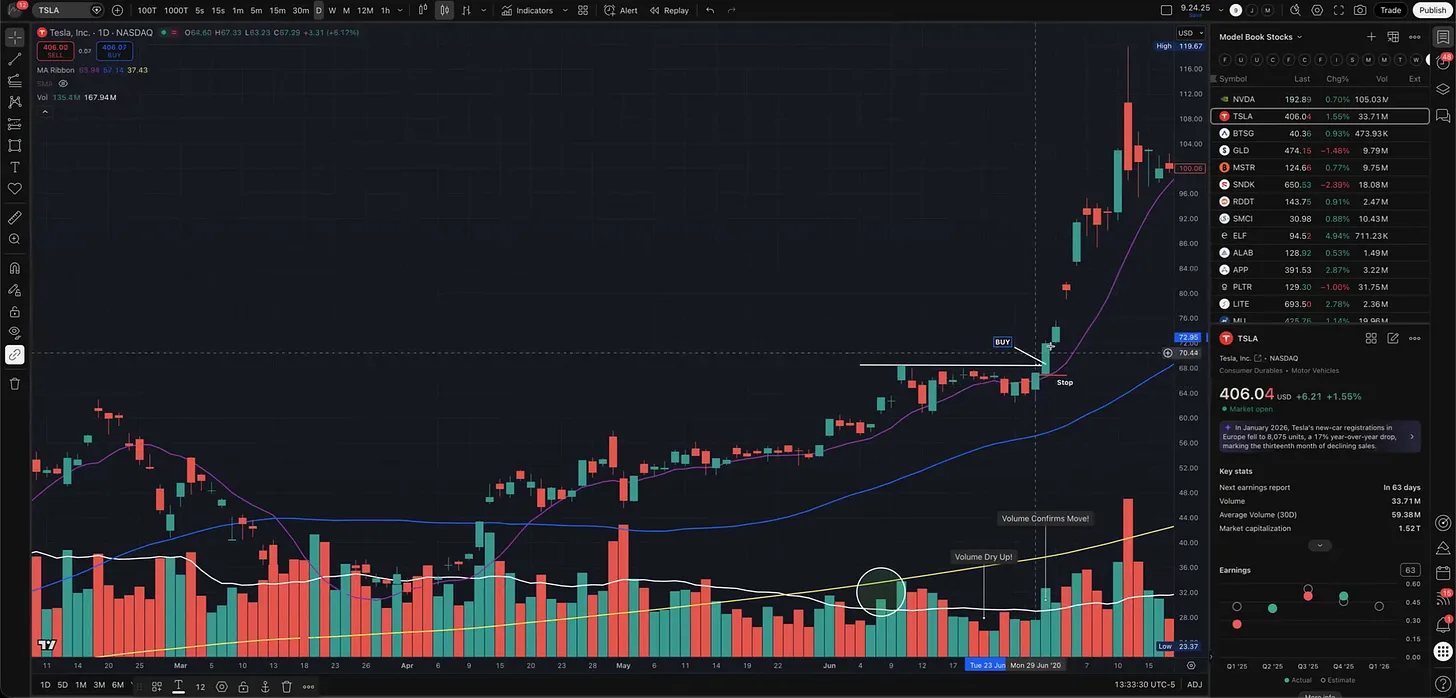
Sep 17, 2026 · Legendary Traders
4 Legendary Traders. 4 Breakout Entry Tactics.
A chart-by-chart breakdown of Minervini’s VCP, O’Neil’s cup with handle, Darvas’s box breakout, and Kullamägi’s opening range breakout.
- how to make money in stocks
- IBD
- Momentum Trading
- VCP
- technical analysis
- CANSLIM
- Trading Setups
- position trading
Sep 6, 2026 · Legendary Traders
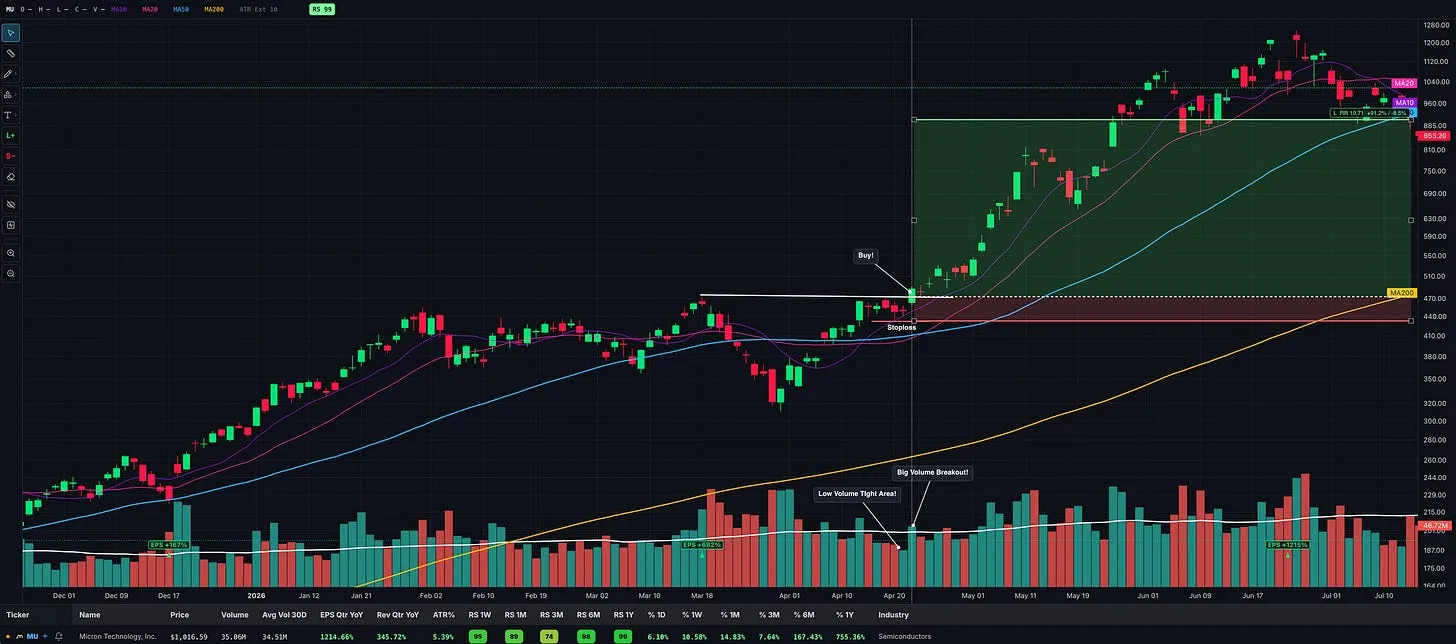
Market Wizard David Ryan: How He Made 1,379% in Three Years
Inside the growth-stock approach of William O’Neil’s protégé and three-time U.S. Investing Champion, from precise entries to holding major winners.
- IBD
- fundamental analysis
- Learn Trading
- technical analysis
- position trading
- David Ryan
- Market Wizard
- CAN SLIM
Aug 29, 2026 · Legendary Traders
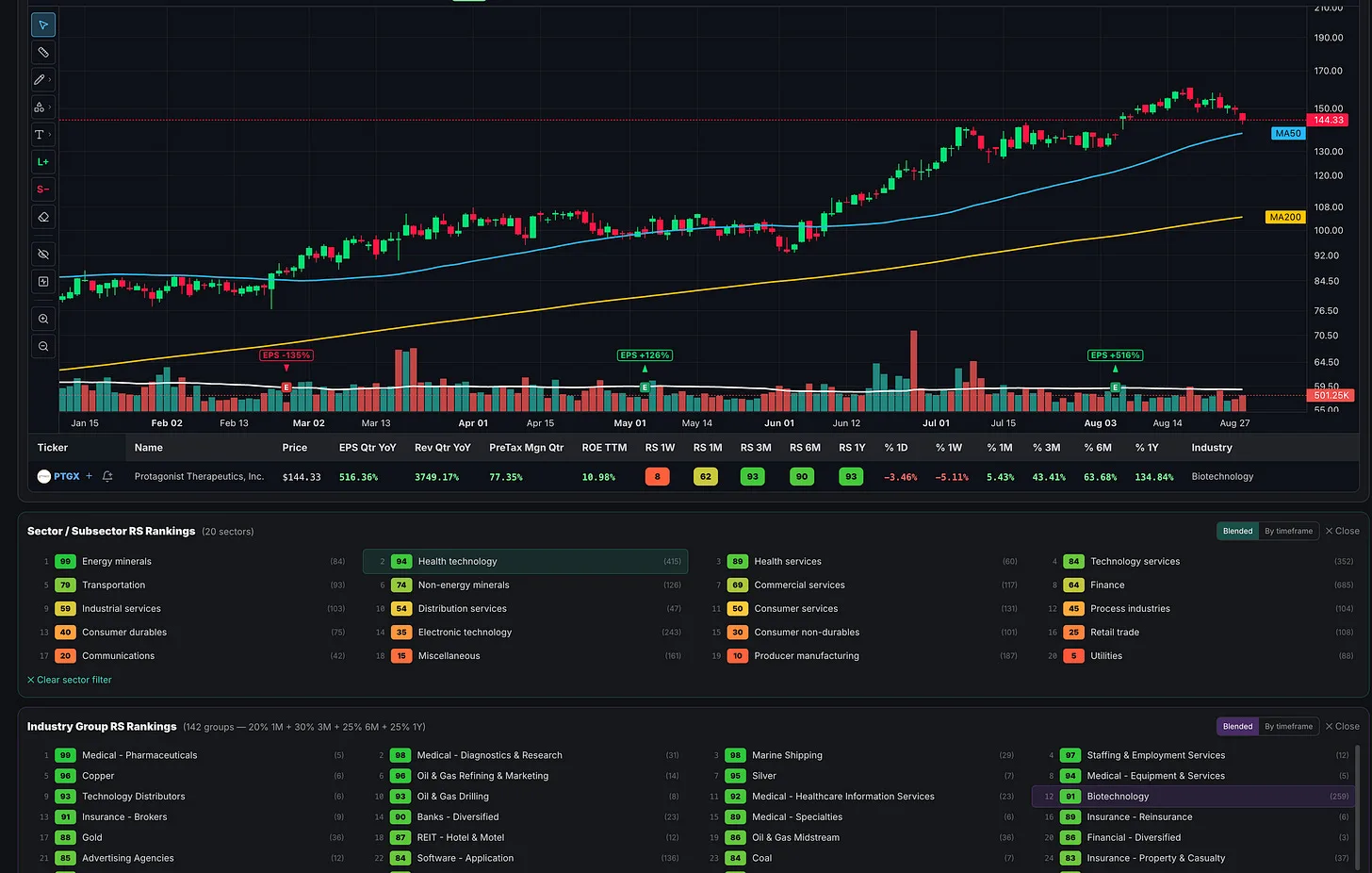
Why the Market’s Biggest Winning Stocks Rarely Move Alone
Lessons from Nicolas Darvas, William O’Neil, and Mark Minervini on using industry-group strength and relative strength to find new market leaders without getting whipsawed.
- growth stocks
- CANSLIM
- position trading
- David Ryan
- stock trading
- Kristjan Kullamägi
- Nicolas Darvas
- industry groups