
Trading articles/Dan Zanger’s Trading Strategy: Chart Patterns, Breakouts & 10 Golden Rules
Sep 22, 2025 · Momentum Trading Strategy
Dan Zanger’s Trading Strategy: Chart Patterns, Breakouts & 10 Golden Rules
How the World-Record Trader Turned $10,775 into $18 Million Using Classic Chart Patterns, Price and Volume, Explosive Earnings Growth, Strong Industry Groups, and Strict Risk Management
Originally published on Substack.
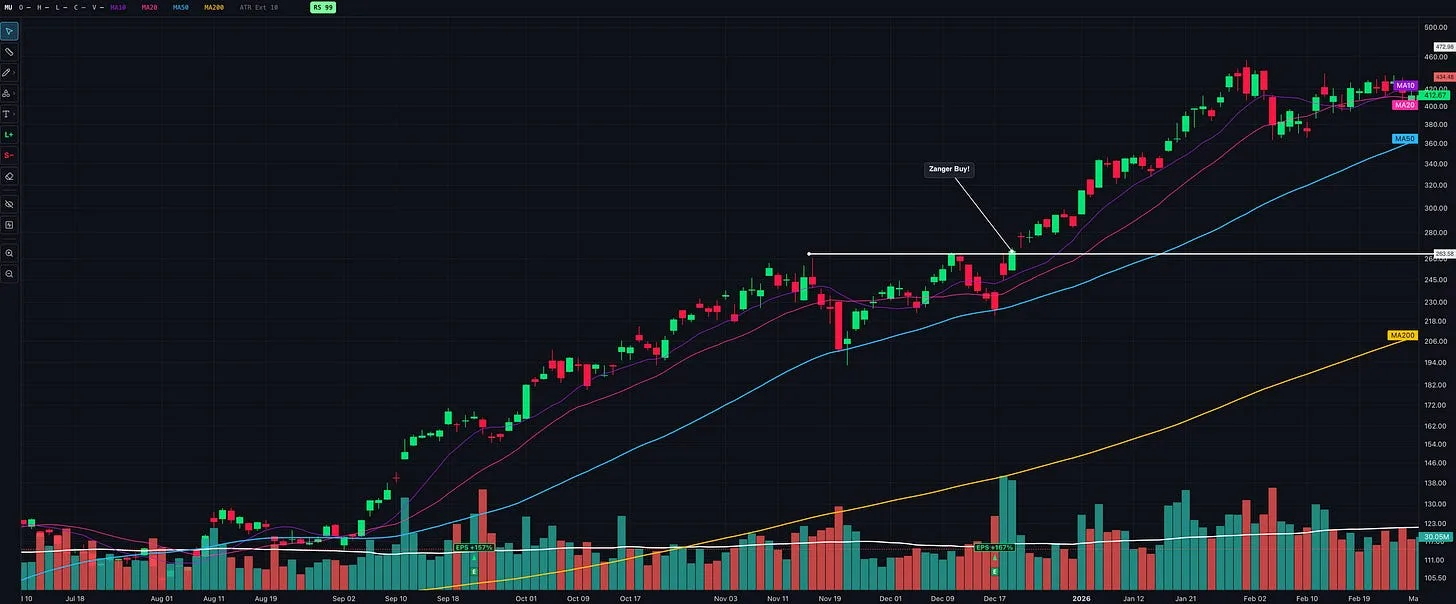
Who Is Dan Zanger?
Dan Zanger is one of the most famous traders of the modern era, best known for turning $10,775 into over $18 million in less than two years during the late 1990s technology boom. His meteoric rise was fueled by a laser focus on chart patterns, breakouts, and disciplined risk management.
Unlike long-term investors who rely heavily on fundamentals, Zanger is a short to medium-term swing trader. He looks for the fastest-moving stocks in leading sectors, identifies explosive technical setups, and times his entries around breakouts on heavy volume.
Zanger didn’t invent chart pattern trading. He studied and absorbed lessons from William O’Neil (How to Make Money in Stocks), Nicolas Darvas (How I Made $2,000,000 in the Stock Market), and Jesse Livermore (Reminiscences of a Stock Operator). These legendary traders emphasized discipline, timing, and psychology principles that Zanger applied and refined to build his own record-setting success.
His extraordinary performance established one of the most famous audited trading records in market history, and Zanger is widely recognized as a world-record stock trader. His philosophy remains remarkably simple:
- Find the strongest stocks in the strongest sectors.
- Wait for proper chart setups.
- Buy as price breaks through the pivot with strong volume.
- Cut losses quickly when a breakout fails.
- Hold on to the stocks that continue to prove themselves.
The Foundation: Recognizing Chart Patterns
Before buying any stock, Zanger insists it must form a well-structured base or pattern. These setups reveal the tug-of-war between buyers and sellers, and when resolved with volume, they often lead to explosive gains.
Here are the 11 most common patterns Zanger uses:
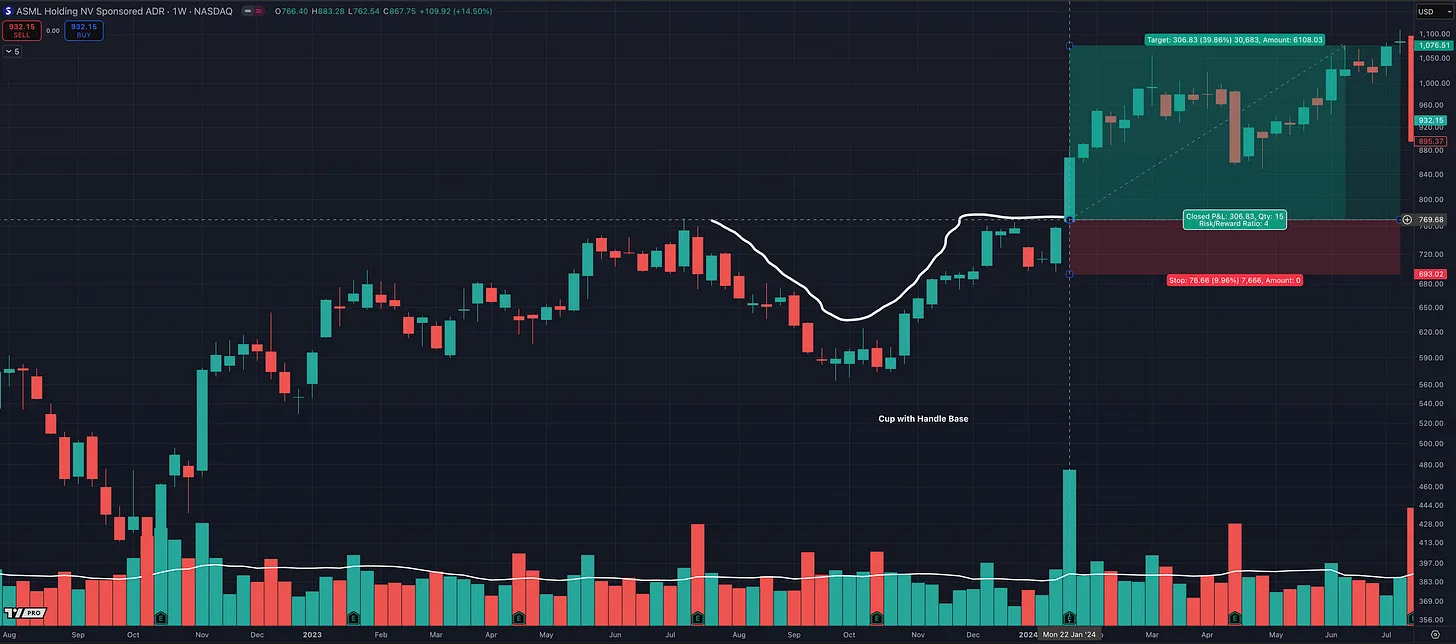
- Cup & Handle – Rounded base followed by a small pullback (the handle). The breakout comes as it clears the handle with volume.
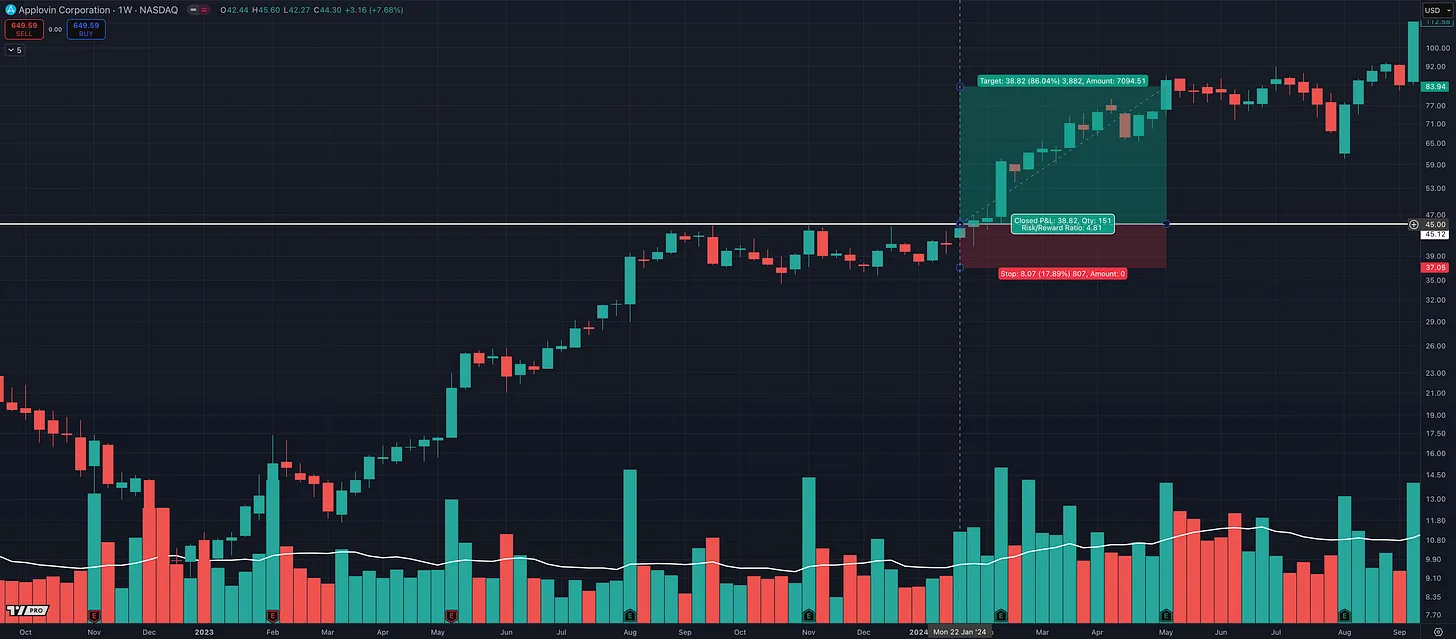
- Flat Base – A tight sideways consolidation with volume drying up. Breakouts are powerful when resistance is pierced.
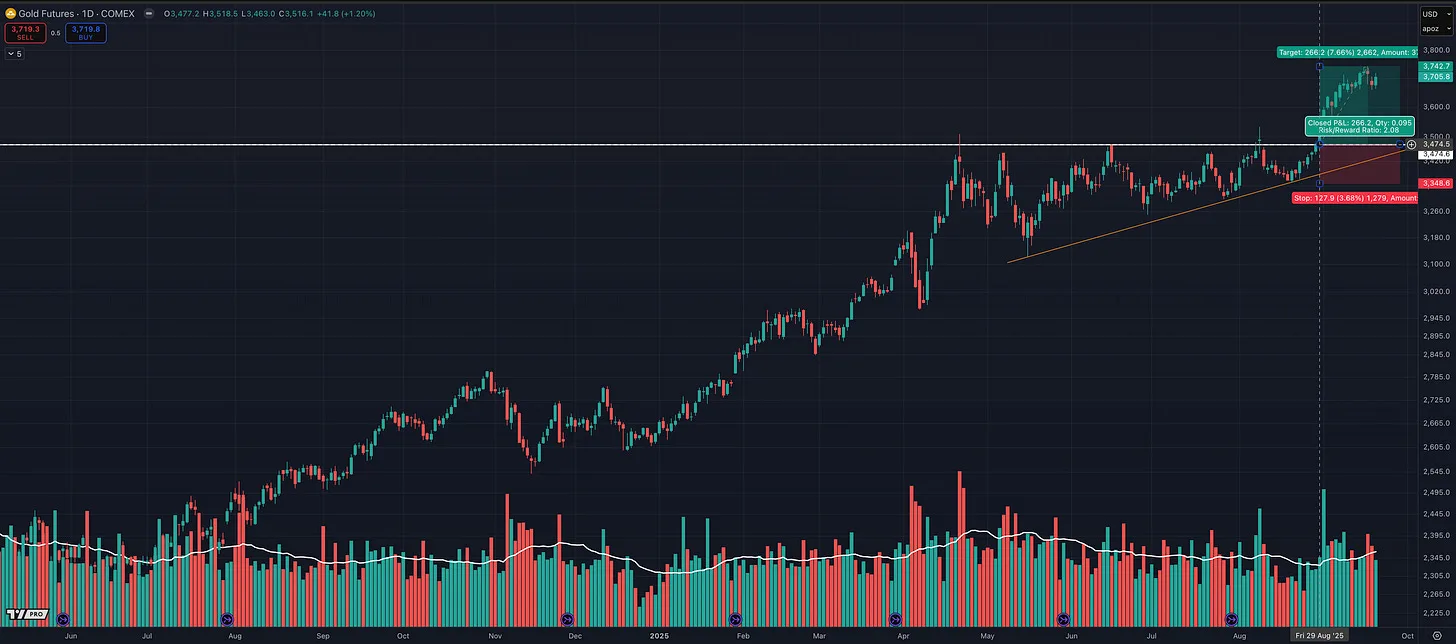
- Ascending Triangle – Rising lows meet a flat top, showing aggressive buying. Breakouts often lead to sharp rallies.
- Parabolic Curve – A step-like accelerating advance. Extremely profitable but risky once it breaks, the fall can be steep.
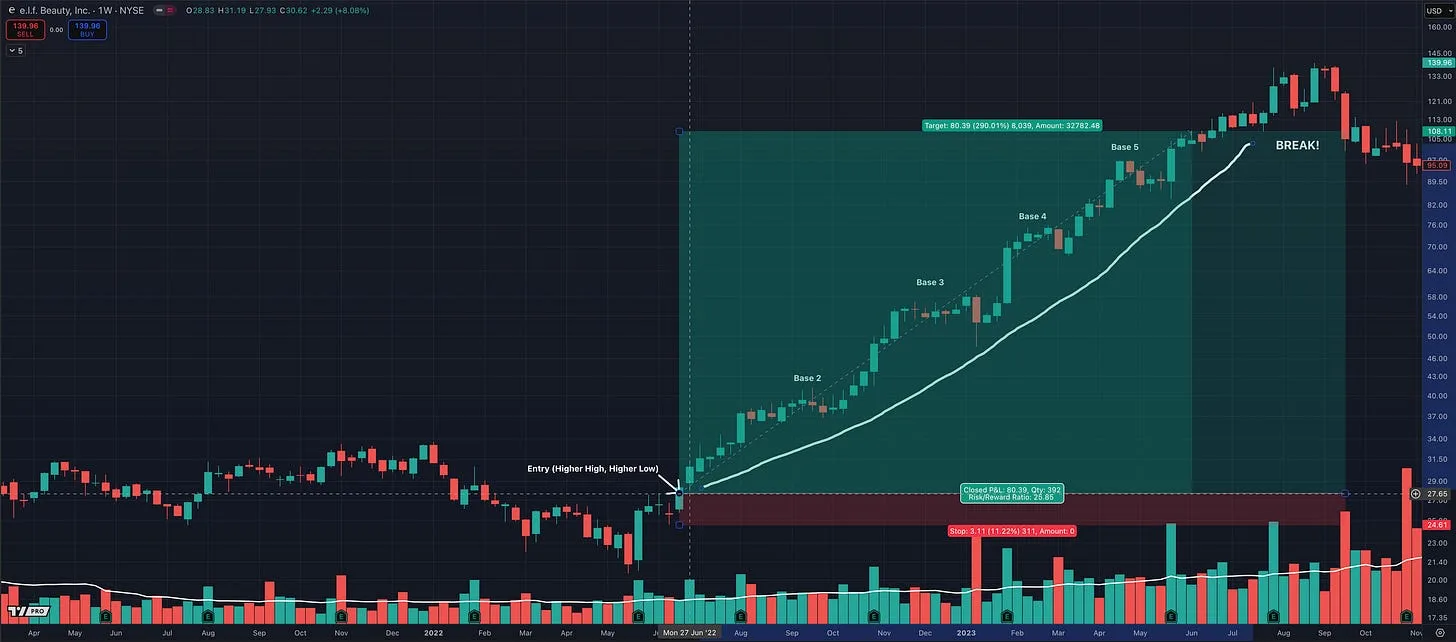
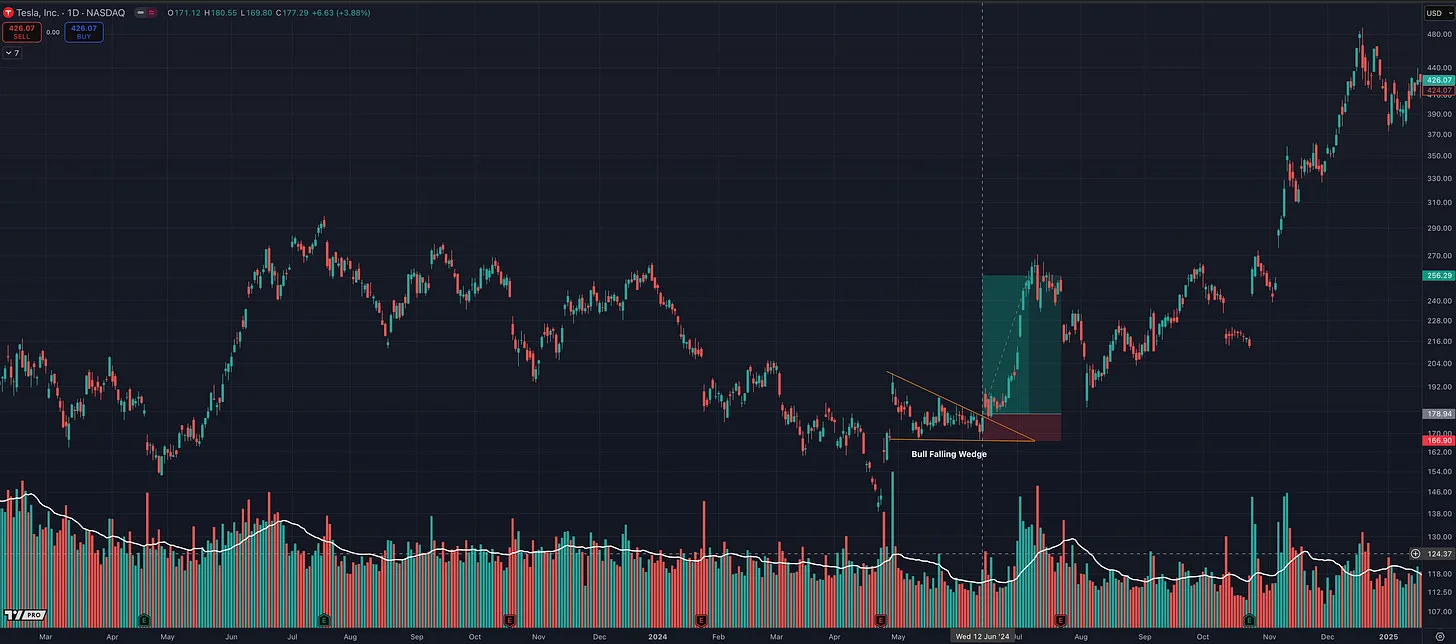
- Wedge Formation – Falling wedges (bullish) signal accumulation; rising wedges (bearish) warn of distribution.
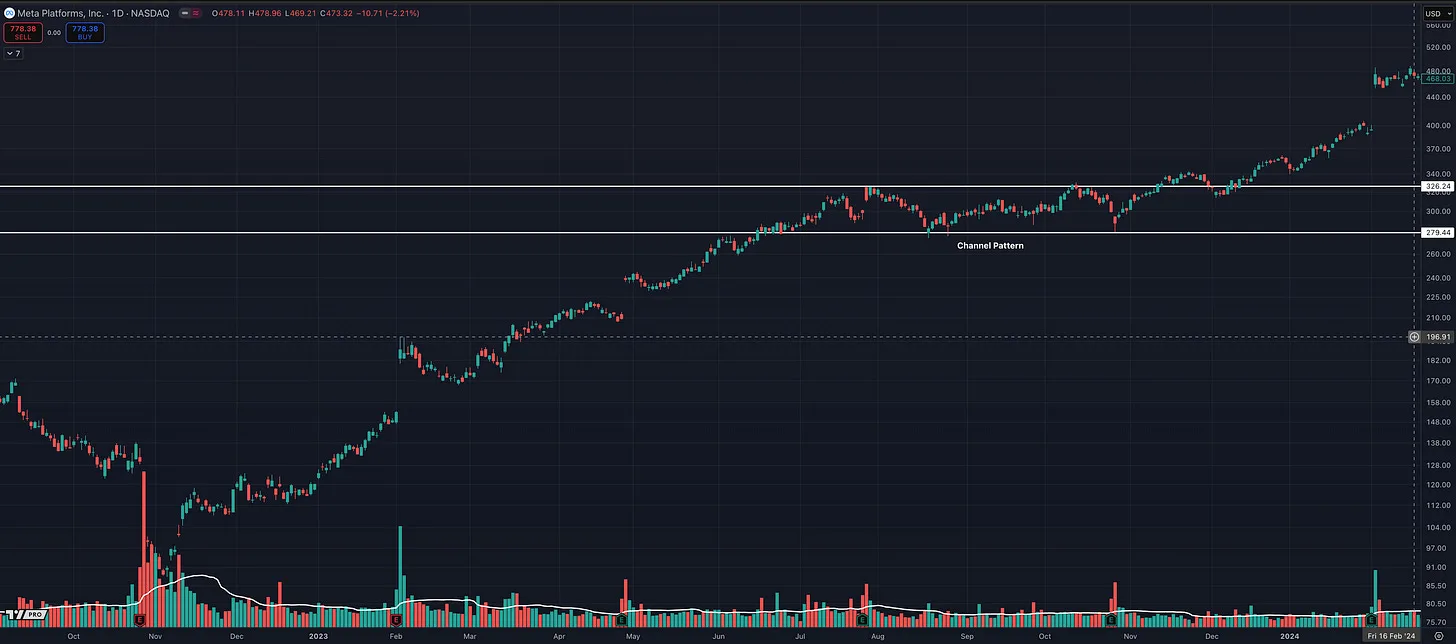
- Channel Patterns – Stocks move between parallel trendlines until supply or demand wins. Breakouts show resolution.
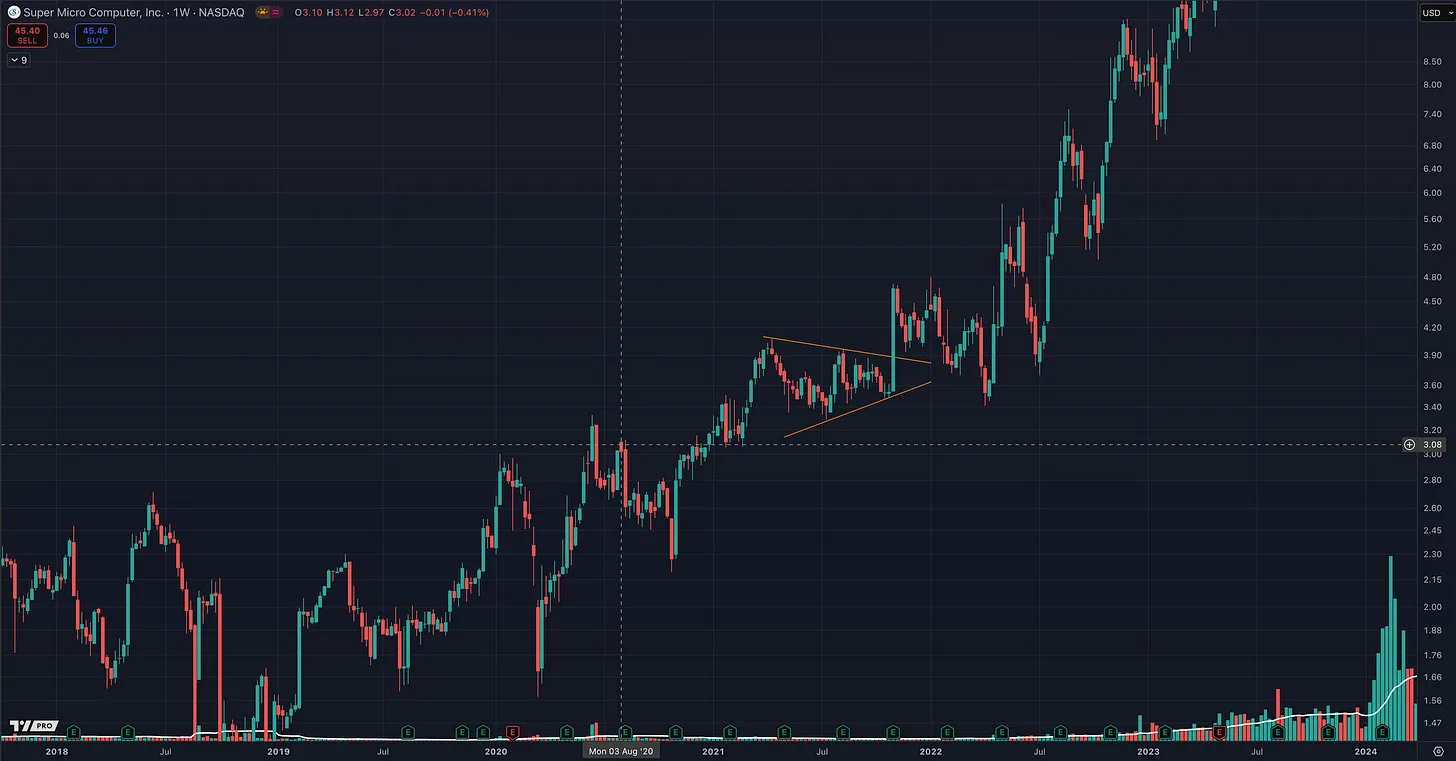
- Symmetrical Triangles – Indecision zones where volume contracts. They usually resolve in the direction of the trend.
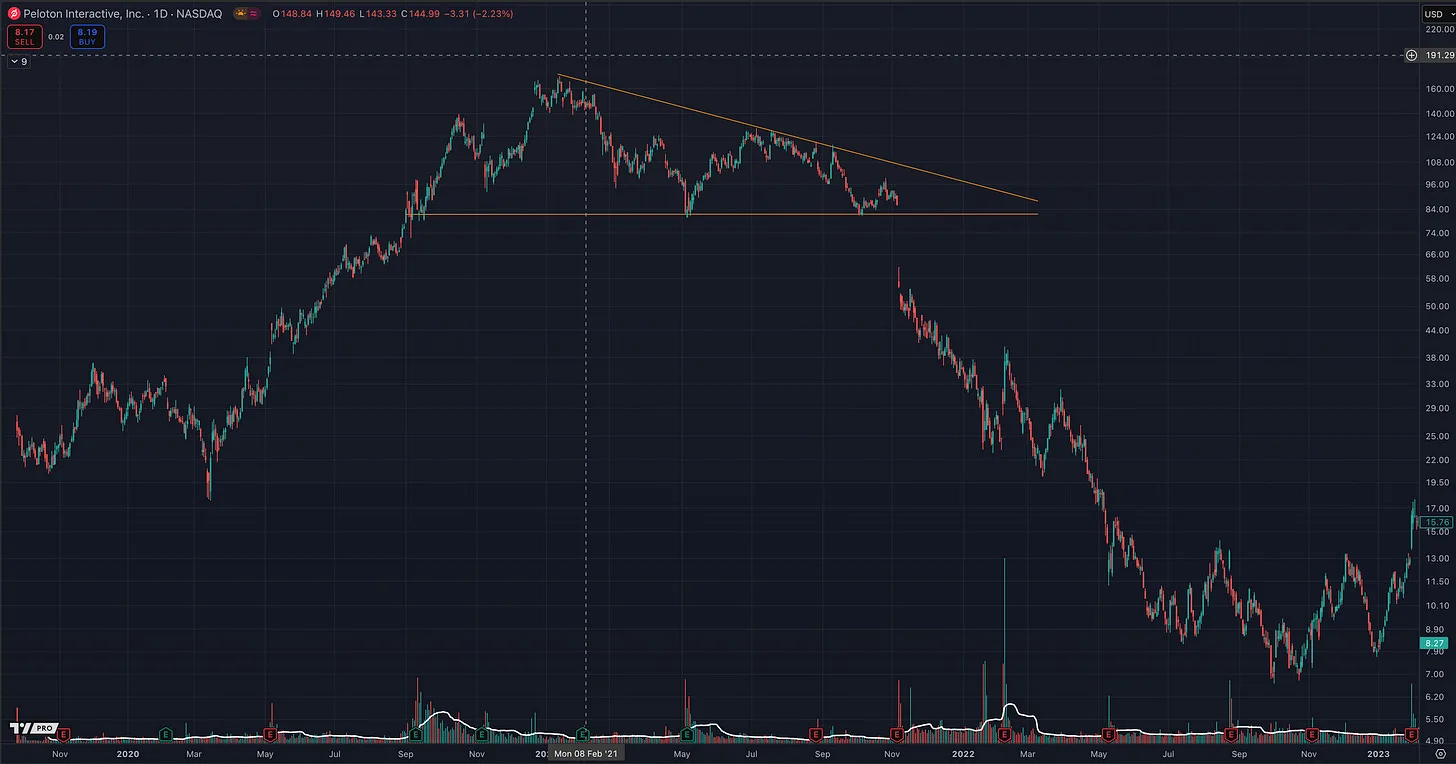
- Descending Triangles – Flat bottoms with lower highs, typically bearish breakdown setups.
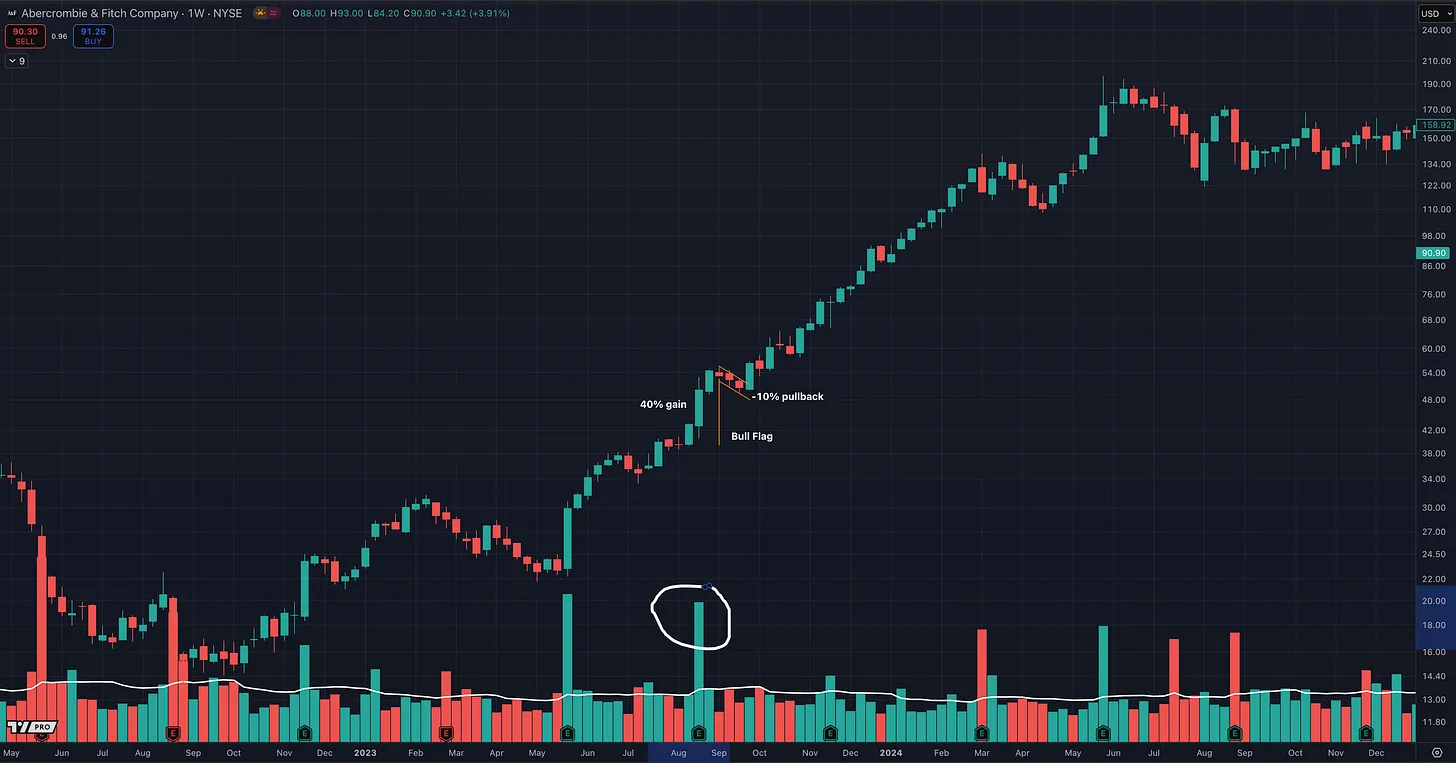
- Flags & Pennants – Brief consolidations after a strong move. Continuation patterns that often precede the next leg up.
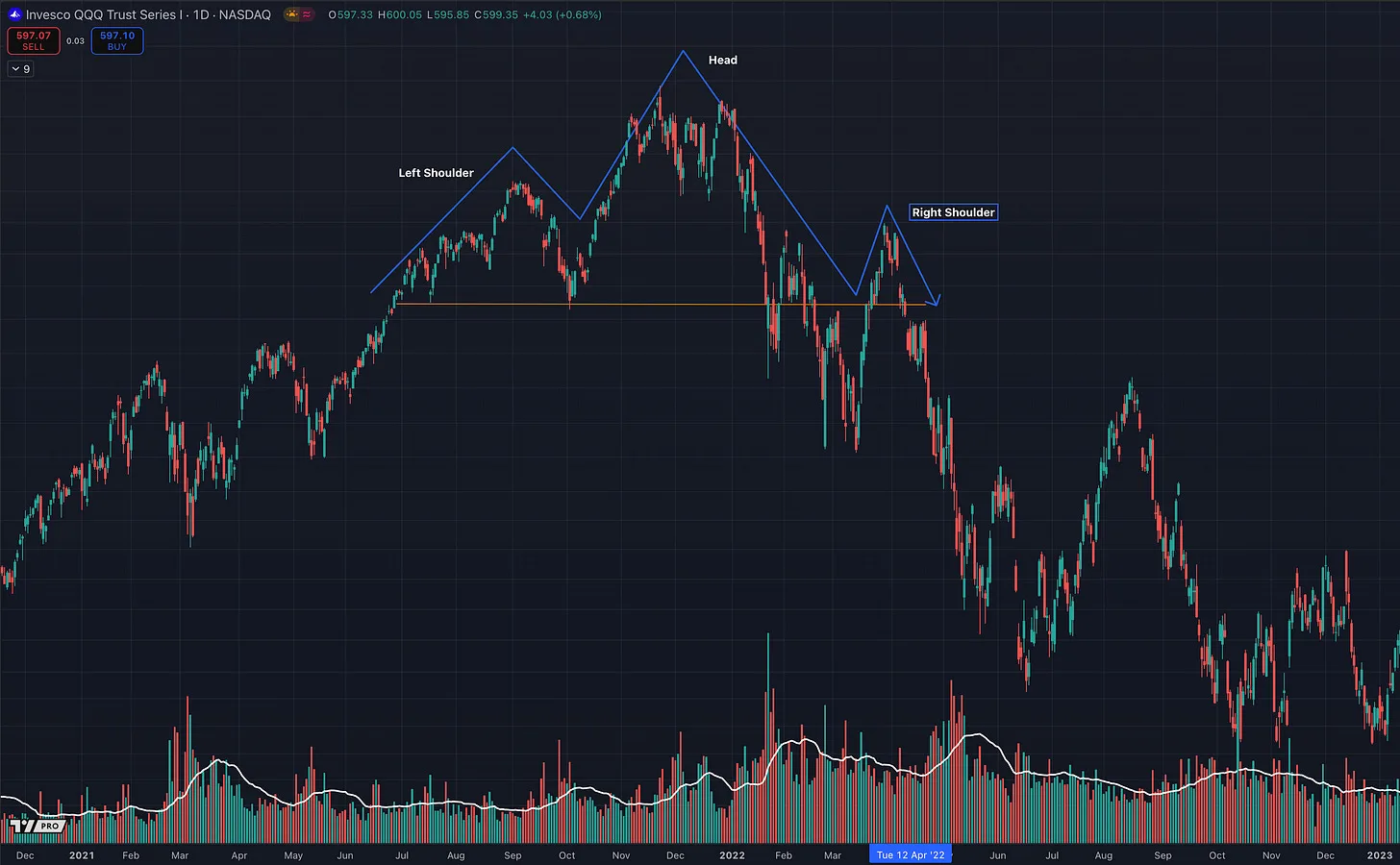
- Head & Shoulders / Inverted Head & Shoulders – Classic reversal patterns signaling major trend shifts.
These patterns are not theory, they repeat throughout market history, offering low-risk, high-reward opportunities and appearing consistently in many of history’s greatest market leaders.
The Role of Fundamentals
While Zanger is best known for chart-pattern recognition and fast execution, fundamentals still play an important role in his approach. His development as a trader was heavily influenced by William O’Neil, Nicolas Darvas, and Jesse Livermore, whose work he studied extensively while developing his trading approach.
Zanger is chart-first, but the stocks that attract him most often have powerful fundamentals behind the move.
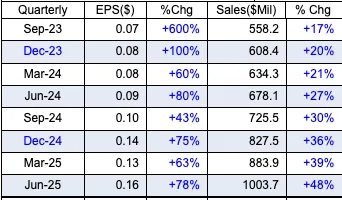
- Earnings Growth: Strong and accelerating earnings can provide the fundamental fuel behind major price advances.
- Sales Growth: Zanger specifically looks for superior revenue growth alongside strong earnings.
- Growth Thresholds: Zanger sets a high bar. On his website, he says the average stocks he follows should have recent quarterly earnings and revenue growth of at least 40%, with many growing considerably faster.
- Supply & Demand: Zanger also favors stocks with a relatively low number of shares in the float. When powerful demand meets limited supply, the resulting price moves can become explosive.
- Industry Leadership: Zanger generally looks for strong-moving industry groups first and then focuses on the leaders within those groups, although he acknowledges that exceptional winners can sometimes emerge from less prominent groups.
- Price and Volume: Ultimately, the chart must confirm the story. Strong fundamentals alone are not enough.
Zanger sums up what gets his attention very clearly: a great-moving stock in a strong group with superior earnings and revenue growth, combined with a fabulous chart pattern.
Put simply:
- The fundamentals provide the fuel.
- The chart tells him when the stock is ready to move.
This blend of Darvas’s momentum, Livermore’s tape-reading, and O’Neil’s earnings and sales discipline helped shape Zanger’s approach.
Dan Zanger’s 10 Golden Rules
Zanger has published a set of 10 Golden Rules that summarize how he trades chart-pattern breakouts. Below is a breakdown of those rules, along with additional context from his interviews and Momentum Masters.
Rule 1: Start With a Proper Base or Pattern
Before considering a purchase, Zanger wants to see a well-formed chart pattern or base. The setup comes first.
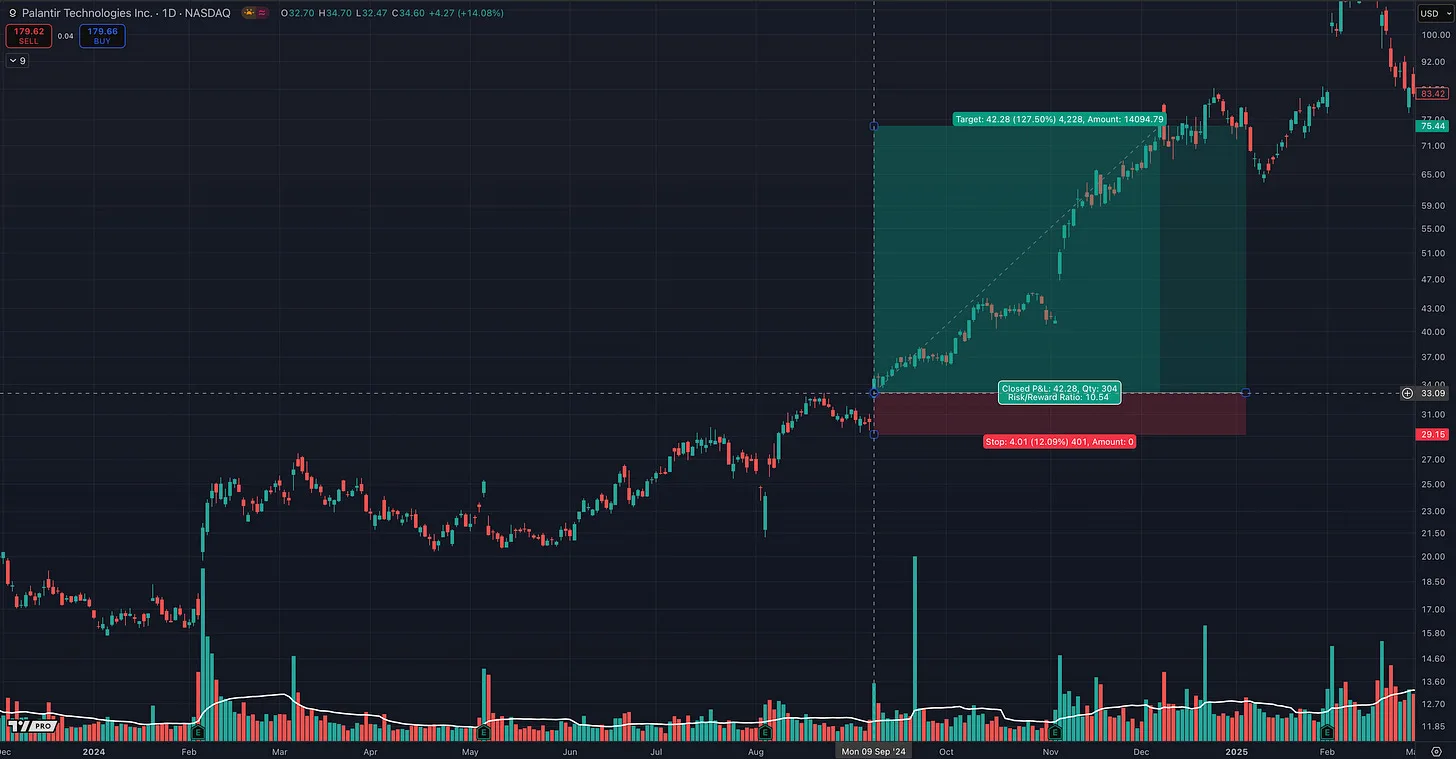
Rule 2: Buy the Breakout With Volume, But Don’t Chase
Buy as price moves through the trendline or breakout area and look for volume to expand above its recent trend.
At the same time, do not chase a stock more than roughly 5% above the breakout area.
Rule 3: Get Out Quickly When a Breakout Fails
If the stock falls back below the breakout point or fails to behave the way you expected, act quickly.
Zanger keeps his losses tight and has said that in practice he will often sell a stock simply because the breakout is acting poorly, even before a predetermined stop is reached. In Momentum Masters, he says a 2% to 3% stop loss is closer to what he actually uses in many situations.
Rule 4: Take Some Profit Into Strength
As a stock advances roughly 15% to 20% from its breakout, Zanger may sell approximately 20% to 30% of the position.
This locks in some profit while allowing the majority of the position to continue working.
Rule 5: Hold the Strongest Stocks
Hold the stocks that continue to act well and get rid of stocks that become sluggish or stop advancing.
Capital should gravitate toward what is working.
Rule 6: Focus on Strong Industry Groups
Zanger wants to identify the strongest groups in the market and concentrate his stock selection there.
In Momentum Masters, he says his normal process is to identify strong-moving groups first and then focus on the leaders within those groups, although he acknowledges that exceptional winners can sometimes emerge from less prominent groups.
Rule 7: Learn to Recognize When a Move Is Getting Late
After the market has advanced for a substantial period, stocks become increasingly vulnerable to sharp corrections.
Zanger watches trendlines, reversal patterns, and changing price behavior for signs that it may be time to protect profits.
Rule 8: Study Volume
Volume is one of Zanger’s most important tools.
Learn how a stock normally trades, how volume behaves during advances and consolidations, and especially how price responds when volume suddenly expands.
Zanger has described volume as essential to momentum investing because major price moves require meaningful demand behind them.
Rule 9: A Buy Point Alone Is Not Enough
Just because a stock reaches a predetermined breakout level does not automatically make it a buy.
Zanger also considers the stock’s price action, volume behavior, and the overall market environment before committing capital.
One important distinction is that Zanger does not simply buy every breakout. He wants to see the stock moving decisively through the breakout area with powerful volume and strong price behavior. The pivot gets his attention, but the stock still has to prove that real demand is there.
Rule 10: Don’t Use Margin Until You’re Ready
Margin magnifies both gains and mistakes.
Zanger’s rule is simple: do not use margin until you have mastered chart reading, the market, and your own emotions.
His experience with leverage helped shape this rule. In Momentum Masters, Zanger discusses how badly margin can amplify losses and why it should only be used selectively, when both the stock and market environment are working in your favor.
Risk Management: Position Size, Liquidity, and Survival
Zanger’s risk management goes well beyond simply placing a stop.
In Momentum Masters, he explains that because his stops are typically tight, he may risk only 2% to 3% of the value of an individual position. In a normal market, he says a position may represent around 10% of his account, meaning the actual risk to total account equity can be only a fraction of 1%.
When the opportunity is exceptional, however, Zanger is willing to become much more aggressive. A powerful stock emerging from a great base with spectacular earnings and volume may justify a 20% to 25% position.
Conversely, in a difficult, choppy market he may trade as little as 1% of his account simply to stay engaged and get a feel for how stocks are behaving.
Liquidity also matters. Zanger generally prefers highly liquid stocks because when a trade suddenly goes wrong, the ability to get out quickly becomes critical. Zanger says he tries to stay with stocks trading at least 2 million shares per day or more, particularly because of the position sizes he trades.
The lesson is simple: position size and exposure should reflect the quality of the opportunity, the behavior of the stock, the liquidity available, and the overall market environment.
Putting It All Together
Dan Zanger’s approach can be boiled down to a straightforward process:
- Find the strongest-moving stocks and groups.
- Look for a proper chart pattern or base.
- Watch price and volume as the stock approaches the pivot.
- Buy as the stock breaks out with powerful demand.
- Avoid chasing extended prices.
- Get out quickly when the breakout fails or the stock acts poorly.
- Take some profit into strength while giving your best winners room to run.
- Increase your focus on the stocks proving themselves and discard the laggards.
The important lesson is that Zanger is not simply buying chart patterns.
He is looking for the intersection of a powerful stock, a strong group, accelerating fundamentals, institutional-quality volume, and a chart pattern providing a defined point of entry.
And once he enters, the stock has to prove him right.
That also explains why Zanger can tolerate being wrong frequently. He has stated that his biggest gains have come from only a few dozen massive movers and that he routinely has more losing trades than winning trades because he often tests the water with small positions. The goal is not to be right on every trade, but to keep losses controlled while being positioned for the rare stocks capable of producing extraordinary gains.
Zanger’s Recommended Reading List
Dan Zanger often points traders back to the classics. These are books he studied, and many remain staples for anyone serious about trading:
- How to Make Money in Stocks – William O’Neil
- How I Made $2,000,000 in the Stock Market – Nicolas Darvas
- Reminiscences of a Stock Operator – Edwin Lefèvre (about Jesse Livermore)
- Momentum Masters – Mark Minervini & others
- Trading for a Living – Alexander Elder
- Encyclopedia of Chart Patterns – Thomas Bulkowski
- Japanese Candlestick Charting Techniques – Steve Nison
- Getting Started in Technical Analysis – Jack Schwager
- How Technical Analysis Works – Bruce Kamich
Each book provides timeless insights on chart patterns, trading psychology, and risk management, the same foundations Zanger used to master the markets.
Next Step: Real-World Examples
The final step is to study actual stock charts that display these patterns. Training your eye to spot them in real time is what separates casual readers from successful traders.
More in Legendary Traders
All Legendary Traders articles →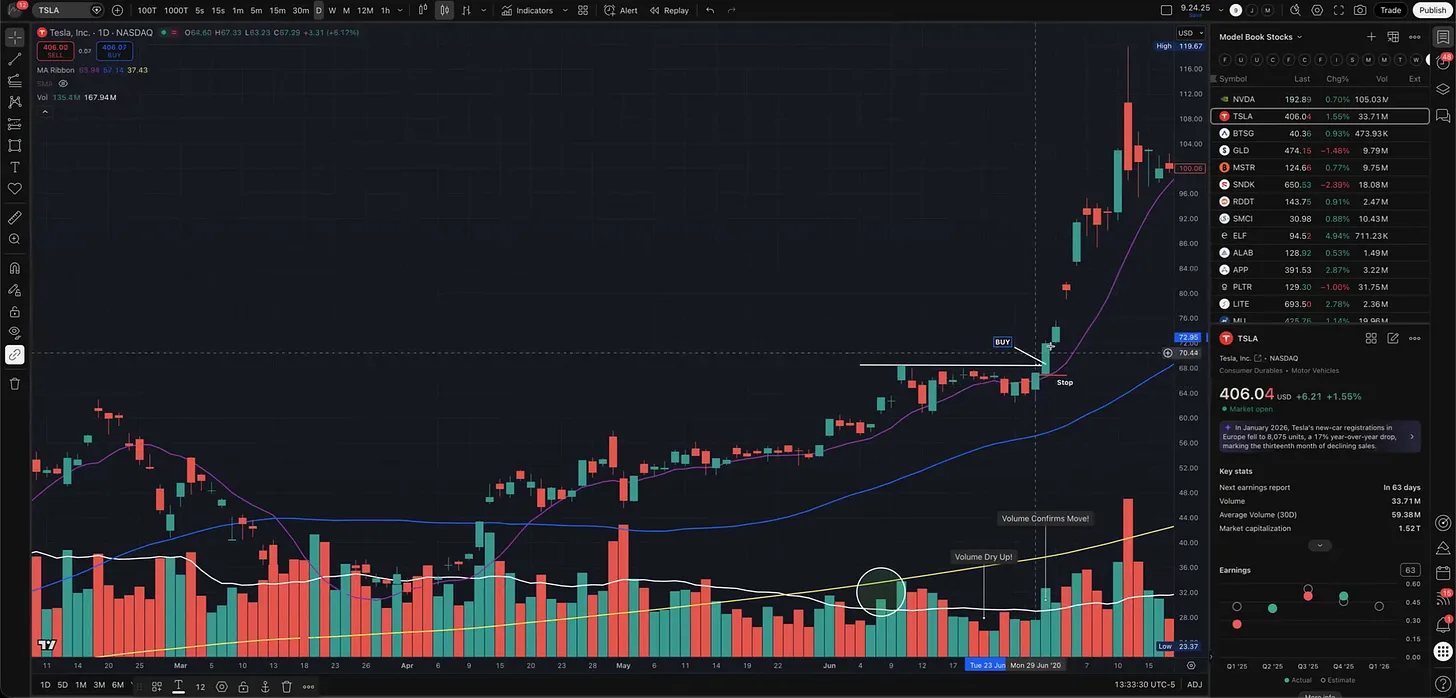
Sep 17, 2026 · Legendary Traders
4 Legendary Traders. 4 Breakout Entry Tactics.
A chart-by-chart breakdown of Minervini’s VCP, O’Neil’s cup with handle, Darvas’s box breakout, and Kullamägi’s opening range breakout.
- how to make money in stocks
- IBD
- Momentum Trading
- VCP
- technical analysis
- CANSLIM
- Trading Setups
- position trading
Sep 6, 2026 · Legendary Traders
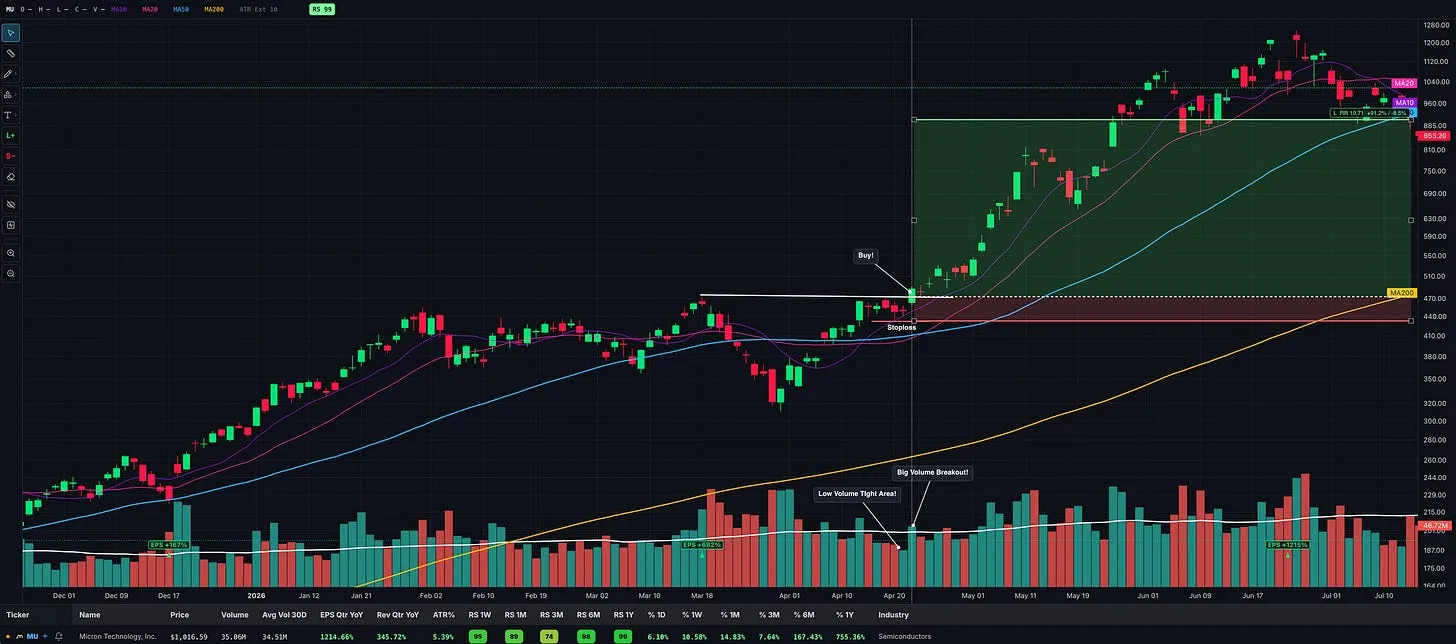
Market Wizard David Ryan: How He Made 1,379% in Three Years
Inside the growth-stock approach of William O’Neil’s protégé and three-time U.S. Investing Champion, from precise entries to holding major winners.
- IBD
- fundamental analysis
- Learn Trading
- technical analysis
- position trading
- David Ryan
- Market Wizard
- CAN SLIM
Aug 29, 2026 · Legendary Traders
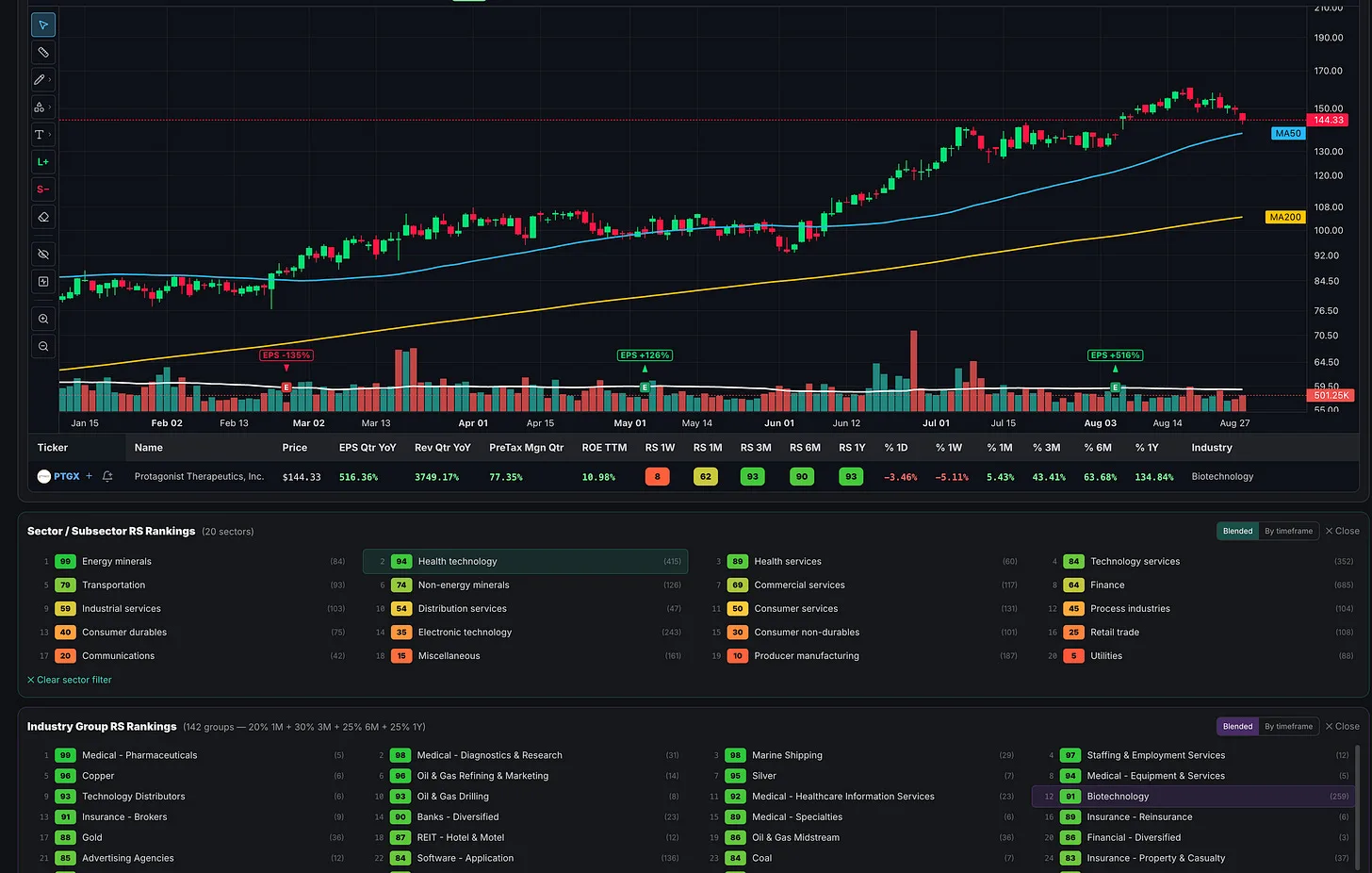
Why the Market’s Biggest Winning Stocks Rarely Move Alone
Lessons from Nicolas Darvas, William O’Neil, and Mark Minervini on using industry-group strength and relative strength to find new market leaders without getting whipsawed.
- growth stocks
- CANSLIM
- position trading
- David Ryan
- stock trading
- Kristjan Kullamägi
- Nicolas Darvas
- industry groups