
Trading articles/Jesse Livermore: Lessons From the Greatest Speculator
Oct 20, 2025 · Momentum Trading Strategy
Jesse Livermore: Lessons From the Greatest Speculator
Why his century-old rules still outperform modern tools, technology, and opinion.
Originally published on Substack.
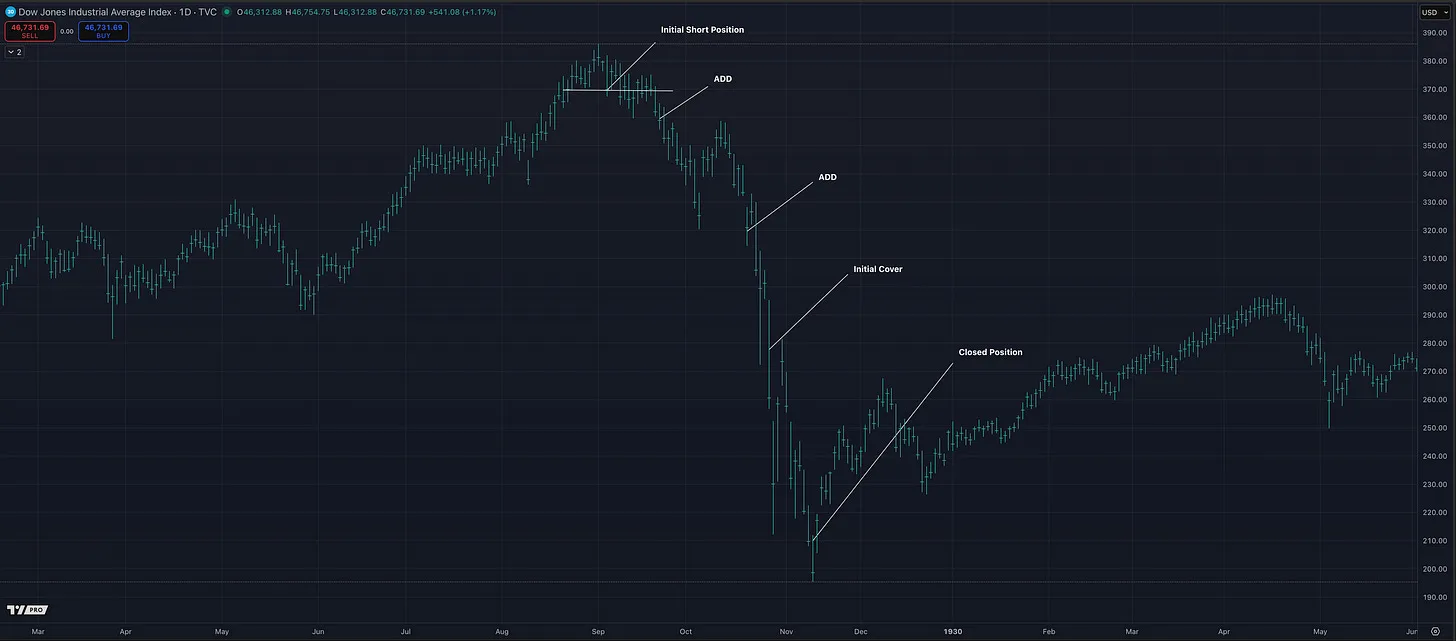
Few names in market history carry the mystique of Jesse Livermore, the original “Boy Plunger,” a man who made, and at times lost, several fortunes trading the market’s biggest swings. Long before quants, indicators, or digital platforms, Livermore taught himself to read the only thing that never lies: price, the pure expression of crowd behavior.
Born in 1877, he began as a chalk boy recording stock quotes by hand. By age fifteen, he had built his first stake trading in bucket shops purely by watching how prices acted, not what others said about them. He would later become legendary for correctly shorting the panics of 1907 and 1929, cashing in while the rest of Wall Street collapsed.
One of the clearest examples came during the Panic of 1907. Livermore’s aggressive short selling reportedly made him more than $1 million in a single day, but as the market moved toward complete collapse, Morgan interests stepped in. John Atterbury, acting on behalf of J.P. Morgan, asked Livermore to stop pressing the short side for the good of the system.
Livermore agreed. He not only stopped selling short, he said he would begin buying as much as he could carry.
That moment showed something important about Livermore. He was a ruthless trader when the tape confirmed him, but he also understood when a market had moved from opportunity into systemic danger.
His lessons remain timeless because his edge never depended on technology. It was built on the part of the market that never evolves: human nature.
Why His Lessons Still Matter
Livermore believed that nothing truly changes in speculation except the ticker symbols:
“My theory and practical application have proved to my satisfaction that nothing new ever occurs in the business of speculating…”
The instruments differ, rails, steel, oil, semiconductors, AI, but the psychology of fear, greed, denial, hesitation, chasing, euphoria, and capitulation has remained the same for over a century.
The tape is simply history replaying in different costumes.
Core Livermore Principles
Trade with confirmation, not prediction
He never tried to buy bottoms. He waited for strength to reveal itself.
Cut losses fast. Press winners slowly.
“Profits always take care of themselves but losses never do.”
Patience is positioning
There are only a handful of times each year worth swinging at.
Never average down
A losing trade is not a bargain. It’s feedback.
Pyramid only when ahead
Small when uncertain. Large when the market agrees with you.
The Time Element
Big moves don’t unfold gradually. They ignite.
Price is the truth
“Markets are never wrong. Opinions often are.”
Bethlehem Steel — Livermore’s Masterclass in Timing
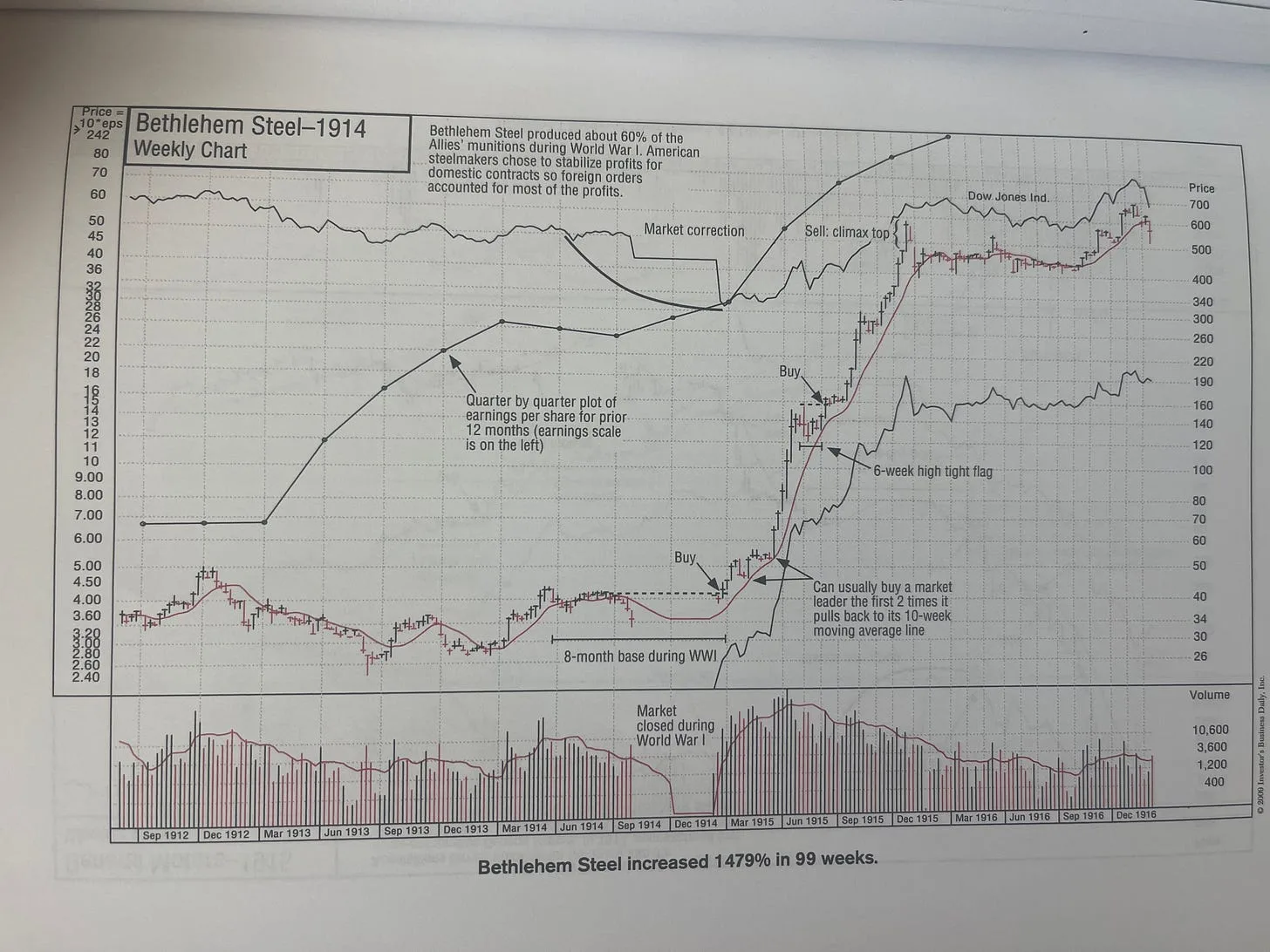
In 1914–1915, Bethlehem Steel quietly based beneath its pivotal level. The world was at war, demand for munitions was exploding, yet the market had not priced it in.
Livermore waited, not because he doubted the story, but because he refused to front-run confirmation.
Then the breakout came.
Not a whisper. Not a gentle drift.
A detonation of price and volume.
The tape told him: “The move has begun.”
He stepped in aggressively at the moment of proof, not the moment of hope. Bethlehem Steel didn’t just climb; it vaulted from 87 → 117 → 155 in days. The basing period was the coiling of a spring. The breakout was inevitability becoming visible.
This was Livermore’s approach in one sentence:
wait → observe → act only when power is undeniable.
NVIDIA — The Modern-Day Equivalent
A century later, nothing has changed but the ticker.
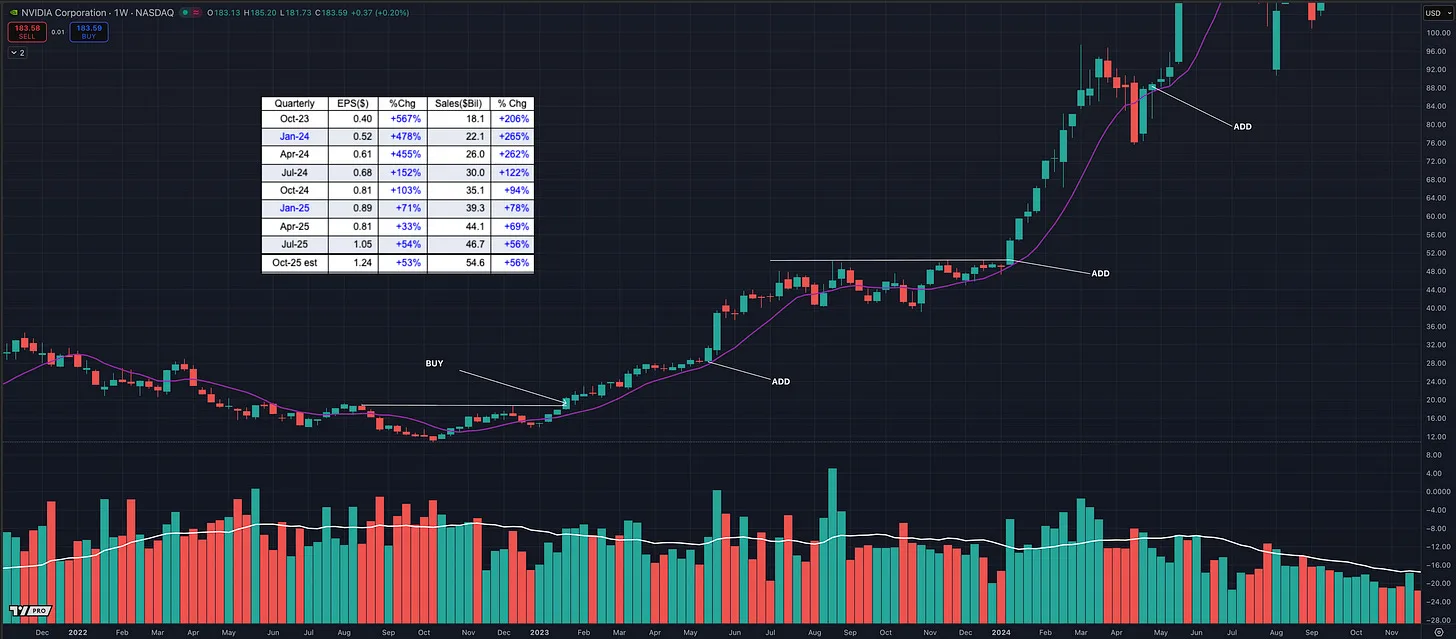
NVIDIA spent years building, consolidating, and being noticed before the broader market fully recognized the magnitude of the opportunity. Then came its own pivotal moment: AI demand inflecting the same way wartime demand once did for steel. When price surged through resistance on record volume, the message was identical to 1915:
Leadership had declared itself.
Livermore would not have cared about macro think-pieces, Fed narratives, or Twitter debate. He would have cared that:
- Price hit new highs
- Volume confirmed urgency
- Each consolidation was absorbed quickly
- Buyers overwhelmed sellers
- Strength fed more strength
Like Bethlehem Steel, NVDA didn’t reward guessers, it rewarded recognizers.
The opportunity wasn’t at the bottom, it was at the breakout.
And once confirmed, Livermore would have added into strength, not faded it.
Momentum, to him, was not danger, it was proof that risk had already inverted.
His Greatest Trade Ever — The 1929 Crash
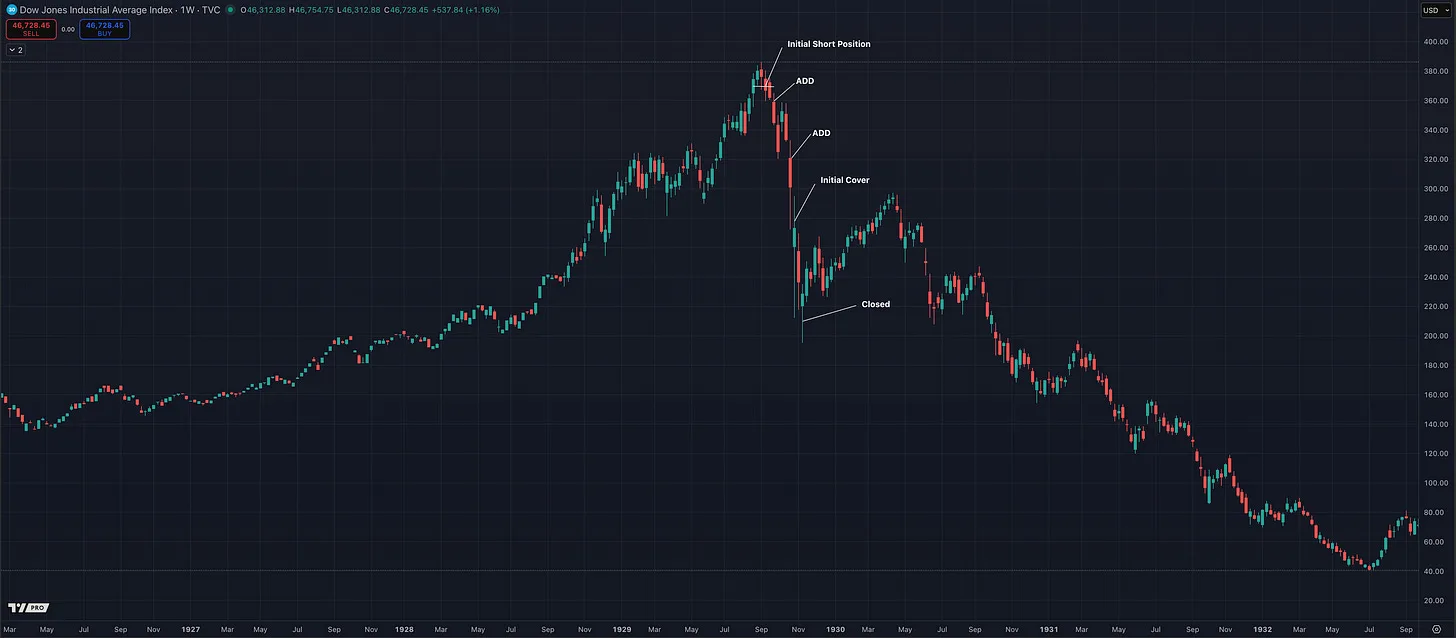
Livermore’s greatest trade wasn’t Bethlehem Steel. It was his short in the 1929 crash, which reportedly earned him roughly $100 million, close to $2 billion in today’s dollars. And just like every major win in his career, it wasn’t built on prediction. It was built on waiting for confirmation, then pressing the advantage.
He didn’t call the top.
He watched the tape stall.
He waited for buyers to fail.
Then he moved.
After the Dow’s final high on September 3rd, he began building his short in stages. He probed first, then added size only as weakness confirmed. Each failed rally was his green light to continue. He was not trying to be early. He was waiting for the market to prove the trend had turned.
When the selling finally accelerated into full panic in late October, he did not rush to cover simply because the market was down a lot. He stayed with the trade until the character of the decline changed. Orderly selling had turned into forced liquidation. That was the signal that the short side was no longer early, quiet, or controlled. It had become obvious to everyone.
And that is the detail most traders miss.
The greatness of the trade was not just that Livermore was short. The greatness was that he waited for proof, pressed only when the market confirmed him, and understood that panic eventually exhausts itself.
He did not need to perfectly predict the bottom to make a fortune.
He needed to recognize when the easy money on the downside had already been made.
That was always his discipline:
Proof first. Action second.
The 1929 short is a pure demonstration of his rules in motion.
Livermore’s Rules as Demonstrated in the 1929 Trade
Livermore’s 1929 trade demonstrated several of the principles that defined his career.
First, he traded on confirmation. He did not simply guess that the market was going lower. He waited until price broke hard and made a lower low on heavy volume before pressing his short position.
Second, he added only when he was right. He increased his size only as each new lower low confirmed continued weakness. In other words, he was not adding because he wanted to be right. He was adding because the market was proving him right.
Third, he never averaged down. Livermore did not increase exposure while the trade was moving against him. He only increased exposure once he was already profitable and the market continued to confirm his thesis.
Fourth, he let the market speak. He stayed short until the selling pressure changed character, moving from controlled weakness into forced liquidation and exhaustion.
Fifth, he did not need to guess the bottom. His objective was not to be perfect. His objective was to remain aligned with the dominant trend until the evidence suggested the risk and reward had changed.
Finally, the trade showed that discipline mattered more than cleverness. Livermore did not make his fortune because he had a better opinion than everyone else. He made it because he waited, observed, acted only after confirmation, and pressed the trade while the market continued to prove him right.
This wasn’t luck.
It was discipline, the same discipline he preached his entire career.
Why Livermore Still Speaks to the Present
His rules were never really about charts.
They were about psychological posture:
- Patience over FOMO
- Courage over hesitation
- Discipline over ego
- Proof over opinion
We live in a world drowning in data yet starving for conviction. Everyone “knows,” but few wait. Everyone reacts to news, but few study behavior.
Livermore’s edge was never information. It was timing, restraint, and readiness.
In a marketplace that hasn’t evolved emotionally since the ticker tape, his edge is just as lethal today as it was in 1915:
The market doesn’t reward the first to see.
It rewards the first to act after confirmation.
The Final Lesson
Bethlehem Steel was not an anomaly. NVIDIA is not an accident.
Leadership always reveals itself the same way: strength → disbelief → inevitability.
Livermore taught that the real skill is not spotting opportunity, it is waiting until opportunity proves itself.
Master that lesson, and history begins repeating for you instead of against you.
A Note on the Man Behind the Method
It’s also important to understand that Livermore did not kill himself because of a trading loss or financial collapse. The popular myth that he died broke isn’t supported by the historical record. Evidence suggests he still retained substantial assets in trust, and there was no single catastrophic blow-up tied to his final days.
What is known is that he had struggled with depression for many years. The exact trigger for his suicide is not documented, and we cannot say with certainty what pushed him over the edge, only that it appears to have been personal and psychological rather than financial.
His method did not fail him.
His internal battles did.
More in Legendary Traders
All Legendary Traders articles →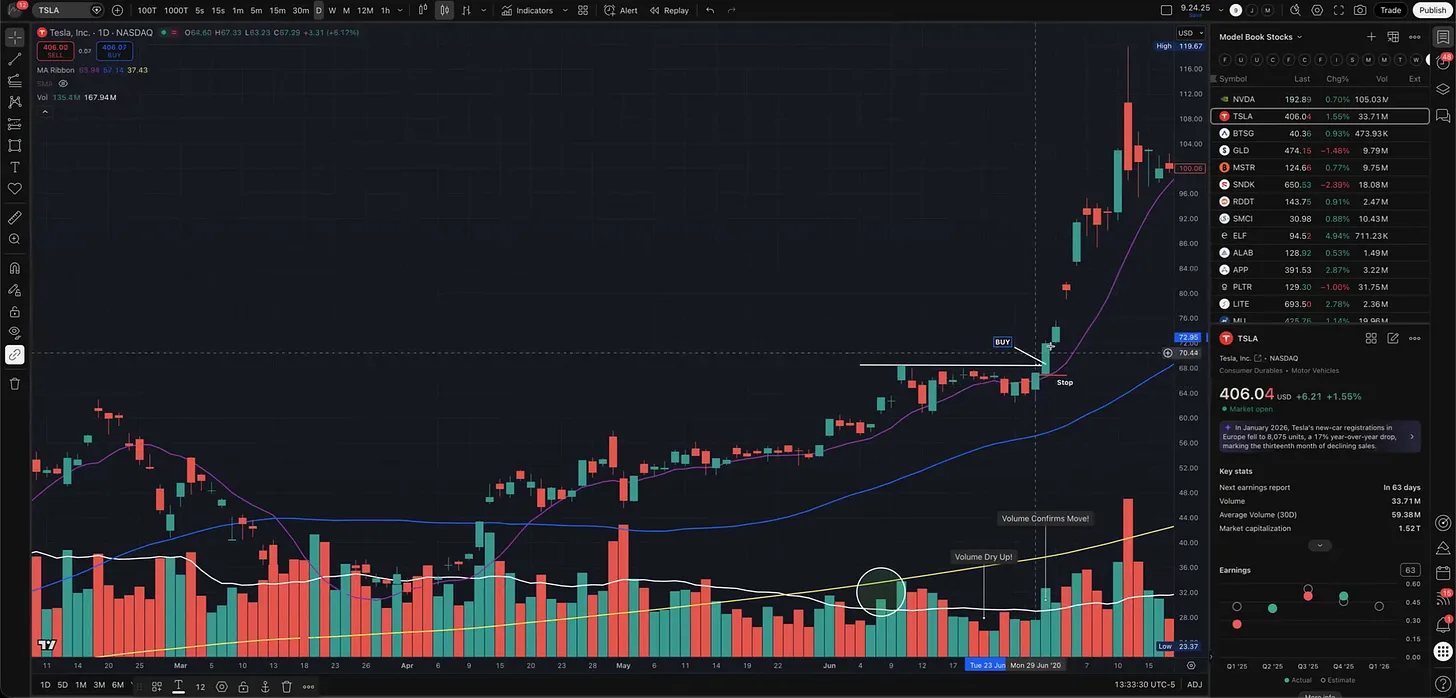
Sep 17, 2026 · Legendary Traders
4 Legendary Traders. 4 Breakout Entry Tactics.
A chart-by-chart breakdown of Minervini’s VCP, O’Neil’s cup with handle, Darvas’s box breakout, and Kullamägi’s opening range breakout.
- how to make money in stocks
- IBD
- Momentum Trading
- VCP
- technical analysis
- CANSLIM
- Trading Setups
- position trading
Sep 6, 2026 · Legendary Traders
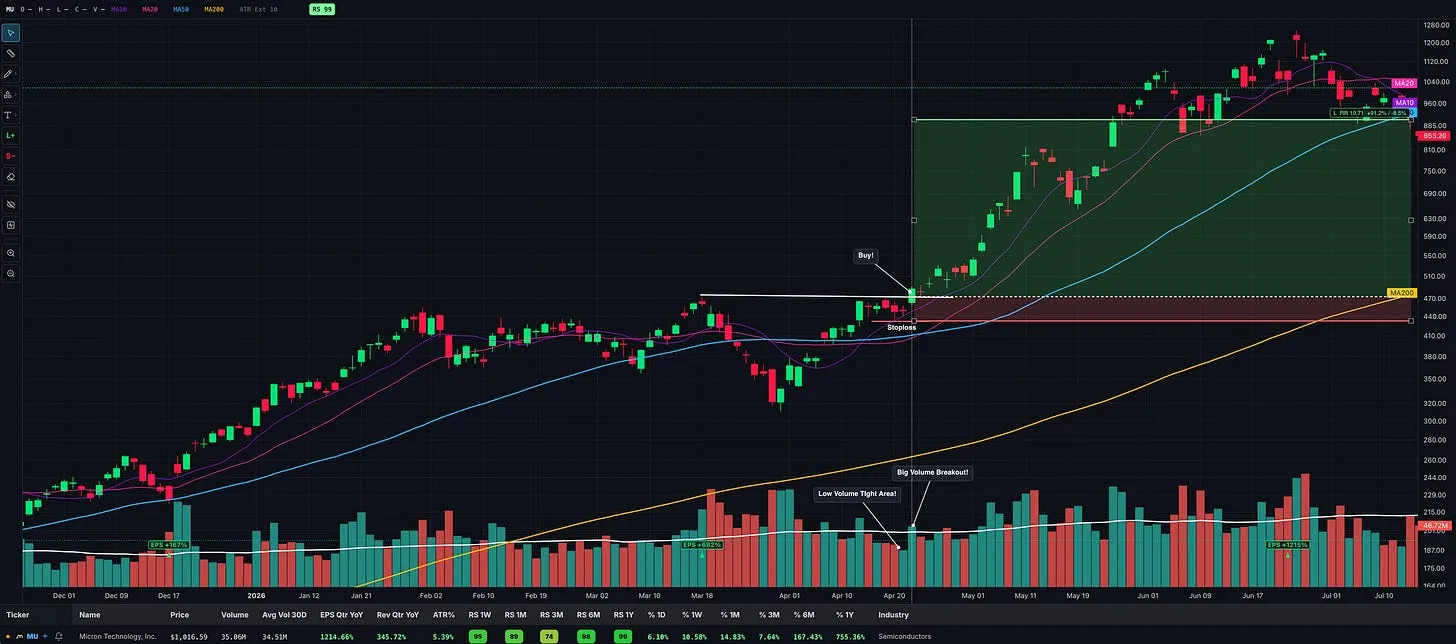
Market Wizard David Ryan: How He Made 1,379% in Three Years
Inside the growth-stock approach of William O’Neil’s protégé and three-time U.S. Investing Champion, from precise entries to holding major winners.
- IBD
- fundamental analysis
- Learn Trading
- technical analysis
- position trading
- David Ryan
- Market Wizard
- CAN SLIM
Aug 29, 2026 · Legendary Traders
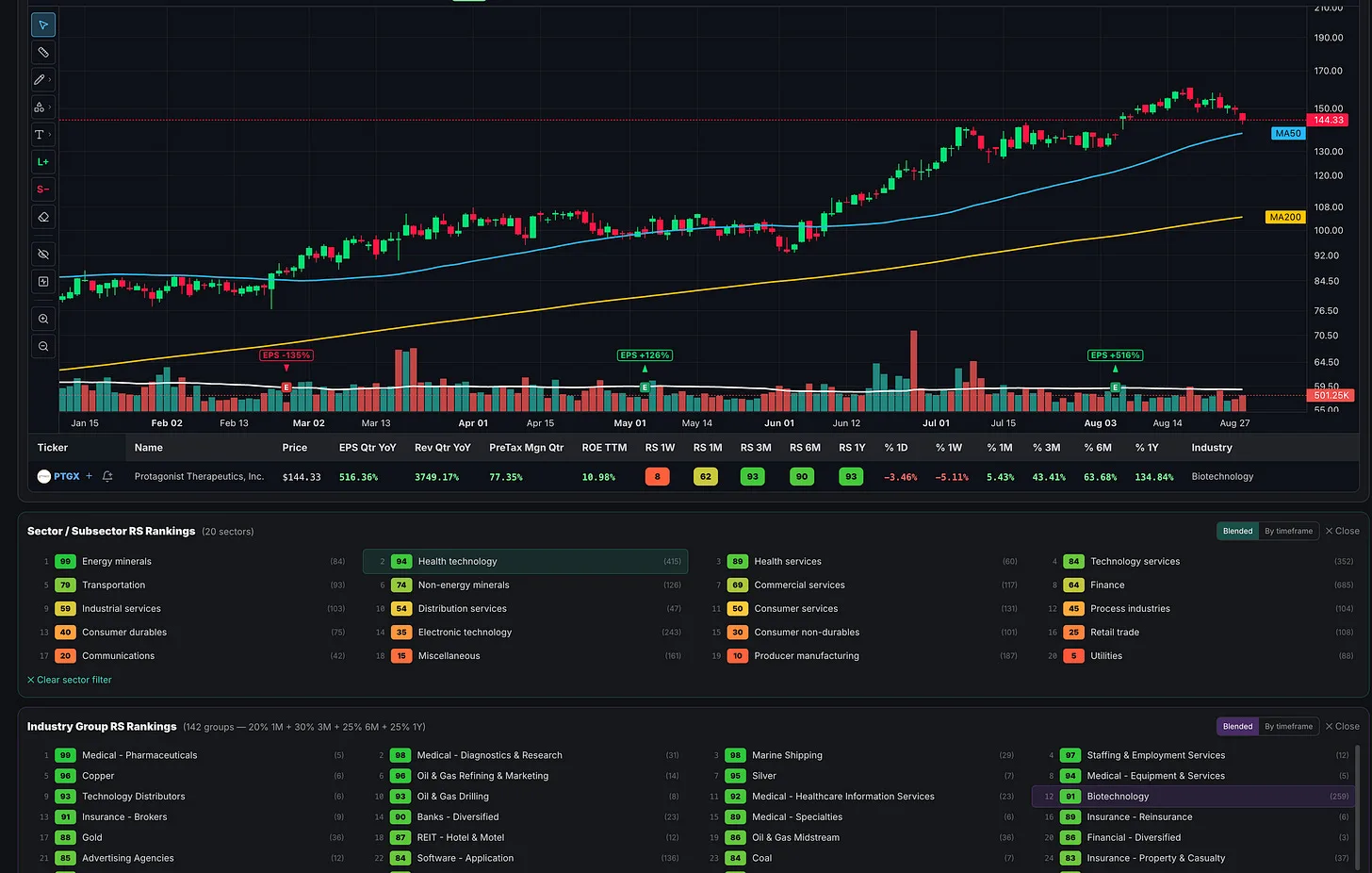
Why the Market’s Biggest Winning Stocks Rarely Move Alone
Lessons from Nicolas Darvas, William O’Neil, and Mark Minervini on using industry-group strength and relative strength to find new market leaders without getting whipsawed.
- growth stocks
- CANSLIM
- position trading
- David Ryan
- stock trading
- Kristjan Kullamägi
- Nicolas Darvas
- industry groups