The Average Trader Wants Tips. Professionals Build Process.
I get a lot of questions asking if I have an alert service, or if I plan on starting one.
Here is my answer to that.
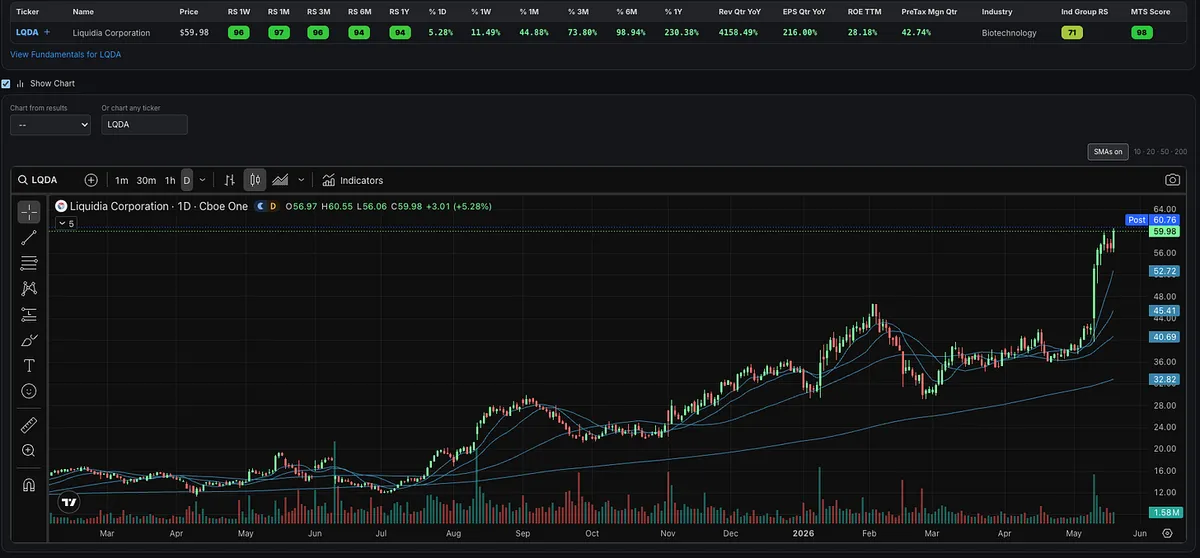
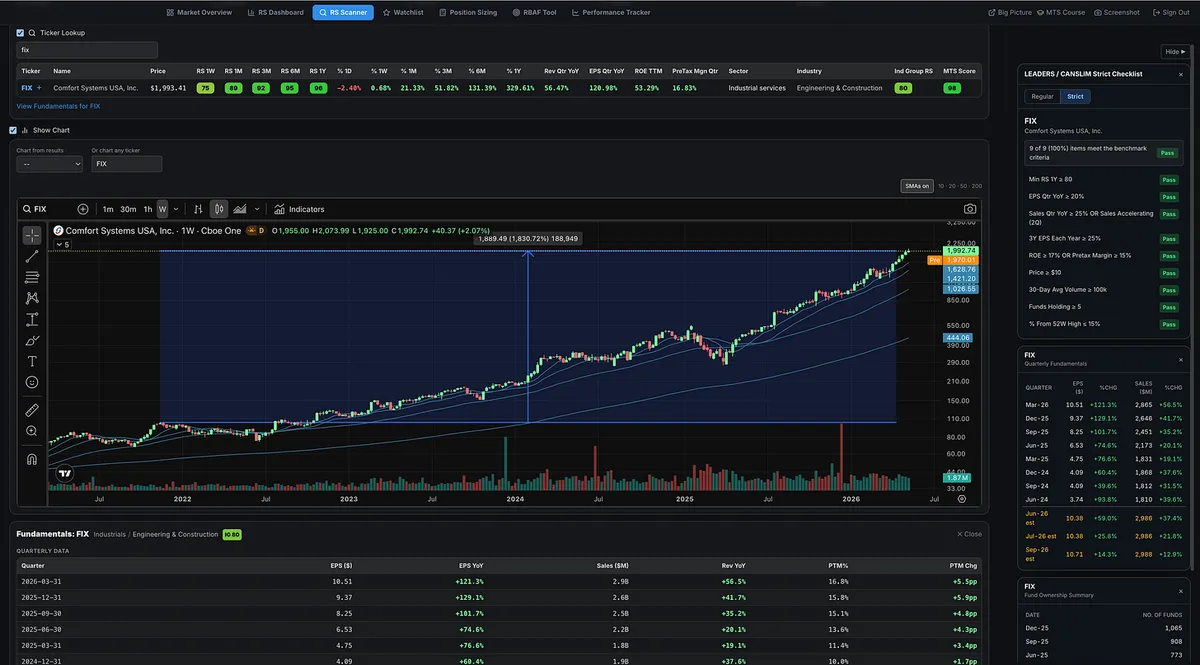
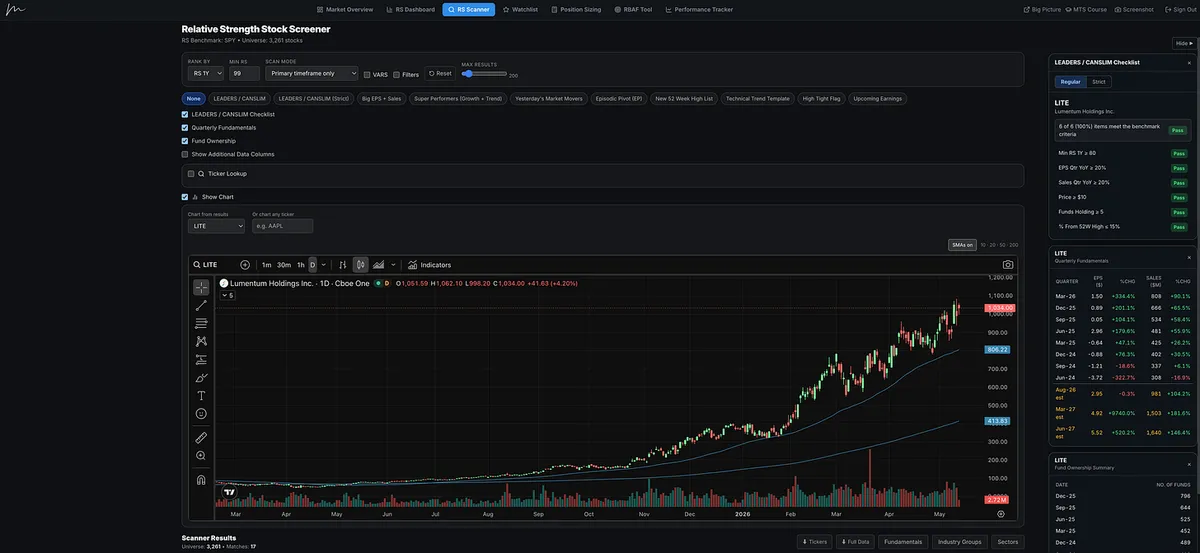
I do share stock names, setups, market observations, and sometimes example entry areas, stop areas, and risk management thoughts.
And yes, I do plan on adding some trade alerts once the rest of the Momentum Trading Strategy Web App / software platform is fully built out.
But I want to be very clear:
Momentum Trading Strategy is NOT being built as a traditional alert service.
Alerts will never be the foundation.
It would be much easier to build a simple alert service where people are given buy and sell signals.
Post buys.
Post sells.
Tell people what I am watching.
Tell people when I am getting in.
Tell people when I am getting out.
But that is not the path I want to go down.
There is a famous quote from Brian Gelber in Market Wizards.
He was asked:
“What does the average trader do wrong?”
His answer:
“He overtrades and begs for tips.”
That one line explains exactly why most traders do not need another alert service.
And it was not just Brian Gelber.
Michael Marcus warned about blindly following the advice of other traders, even good ones.
Richard Dennis said you could publish trading rules in the newspaper and most people still would not follow them.
Why?
Because the hard part is not just knowing the rules.
The hard part is having the discipline, confidence, and consistency to follow them when the market gets difficult.
Ed Seykota talked about the value of having support from experienced traders, but he also said he usually ignored advice from other traders, especially anyone acting like they had a “sure thing.”
Bruce Kovner made a similar point when he talked about why it is difficult to make money by simply following someone else.
And Jack Schwager’s broader takeaway from interviewing legendary traders over the years was that traders cannot succeed in the markets by simply copying someone else’s approach. You have to find a method that fits your own personality, risk tolerance, time frame, and decision-making style.
That is the entire point.
This does not mean you cannot learn from great traders.
You absolutely can.
Bruce Kovner learned from Michael Marcus
The Turtle Traders learned from Richard Dennis.
David Ryan learned from William O’Neil.
Many great traders were shaped by mentors, teachers, firms, books, and other serious traders.
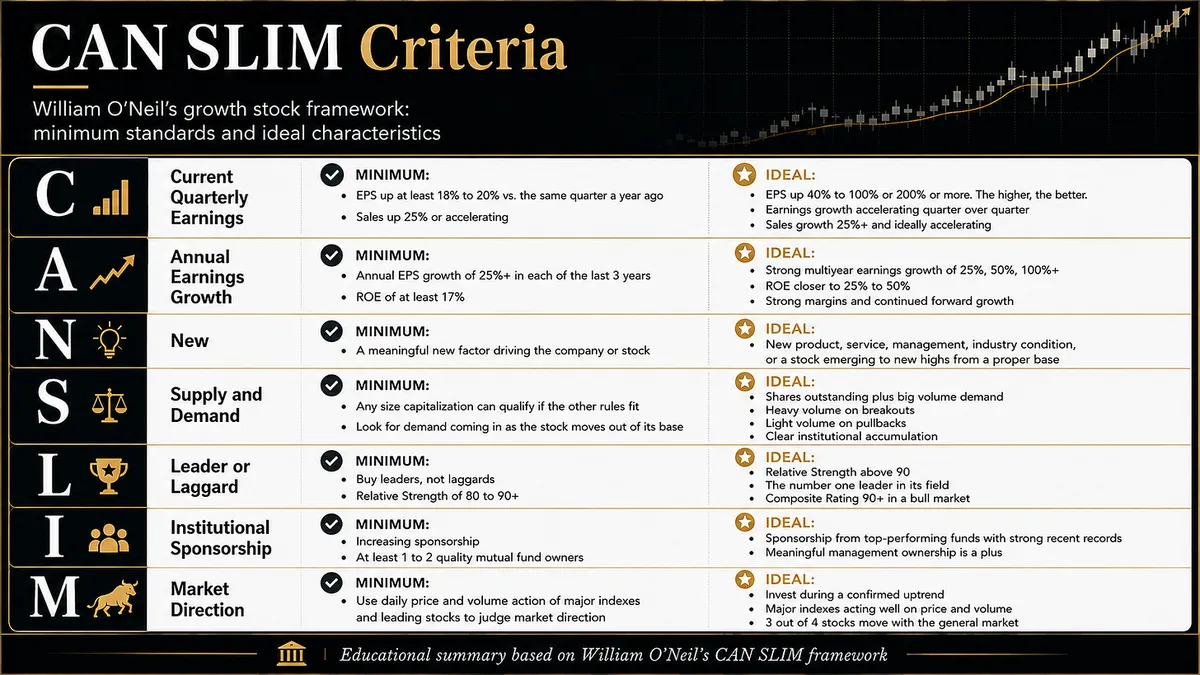
I have learned the majority of what I do from studying William O’Neil, Mark Minervini, and other great growth stock investors, momentum trader, and trend followers.
But I am not buying and selling based on a trade alert system from them.
And neither did they.
There is a huge difference between learning from a trader and depending on a trader.
There is a huge difference between sharing ideas and blindly following signals.
There is a huge difference between being part of a serious trading community and sitting around waiting for someone else to tell you when to buy and sell.
That is why I want Momentum Trading Strategy to be built more like a professional trading environment.
At professional firms, traders share ideas.
They talk about relative strength, earnings, volume, sector rotation, breakouts, failed breakouts, and stocks that are acting well.
Some of my largest trades have come from ideas I missed in my own scanning that another serious trader shared with me.
But I did not blindly follow.
I still created my own plan.
I still managed my own risk.
I still traded my own trade.
That is the difference.
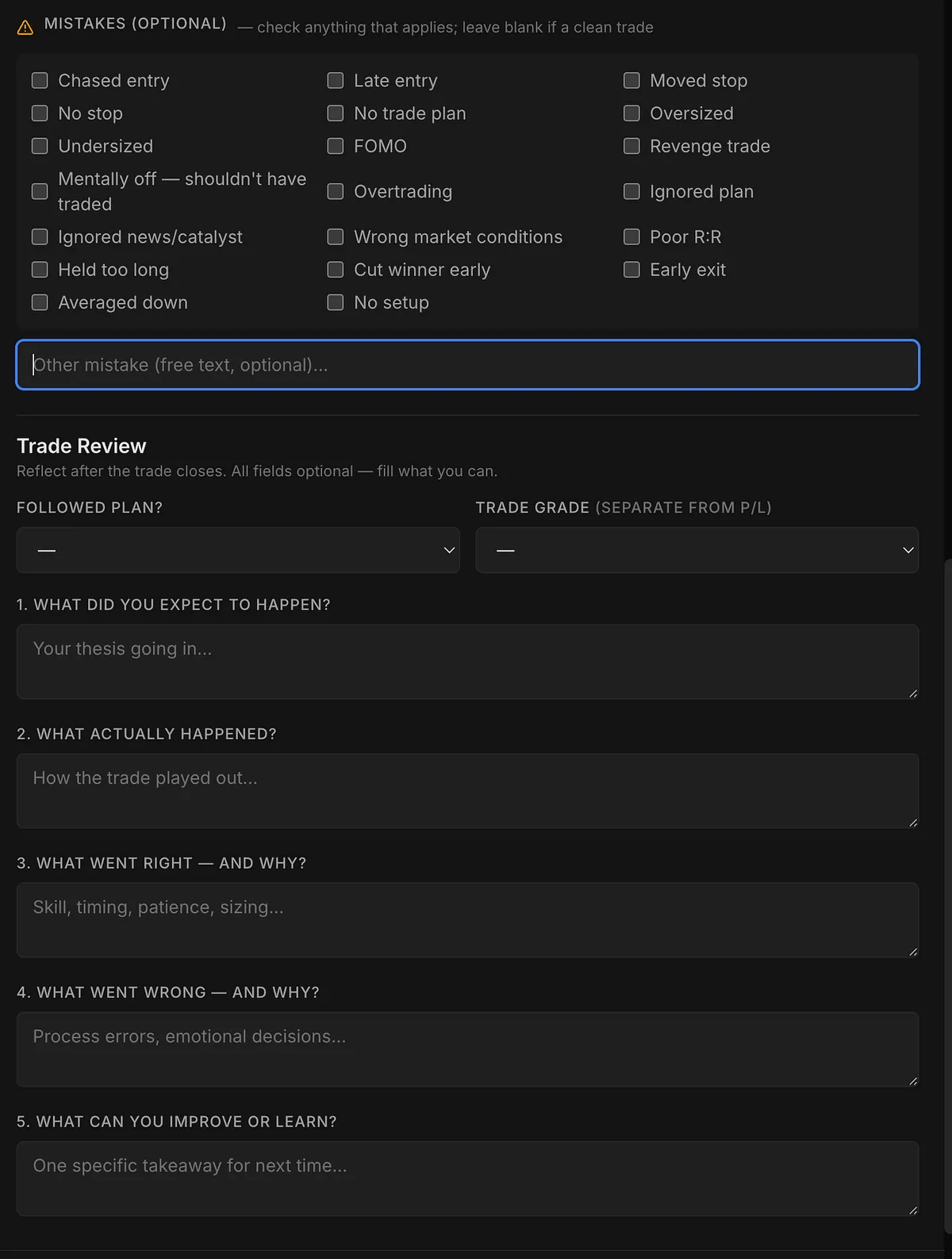
Every trader still has to own the trade and have their own trading plan.
Where is the entry?
Where is the stop?
How much capital is at risk?
What is the position size?
Where would you add?
Where would you trim?
What would prove the trade wrong?
What would make you exit?
That is the skill most alert services skip.
They give people names, but they do not build traders.
Momentum Trading Strategy is being built differently.
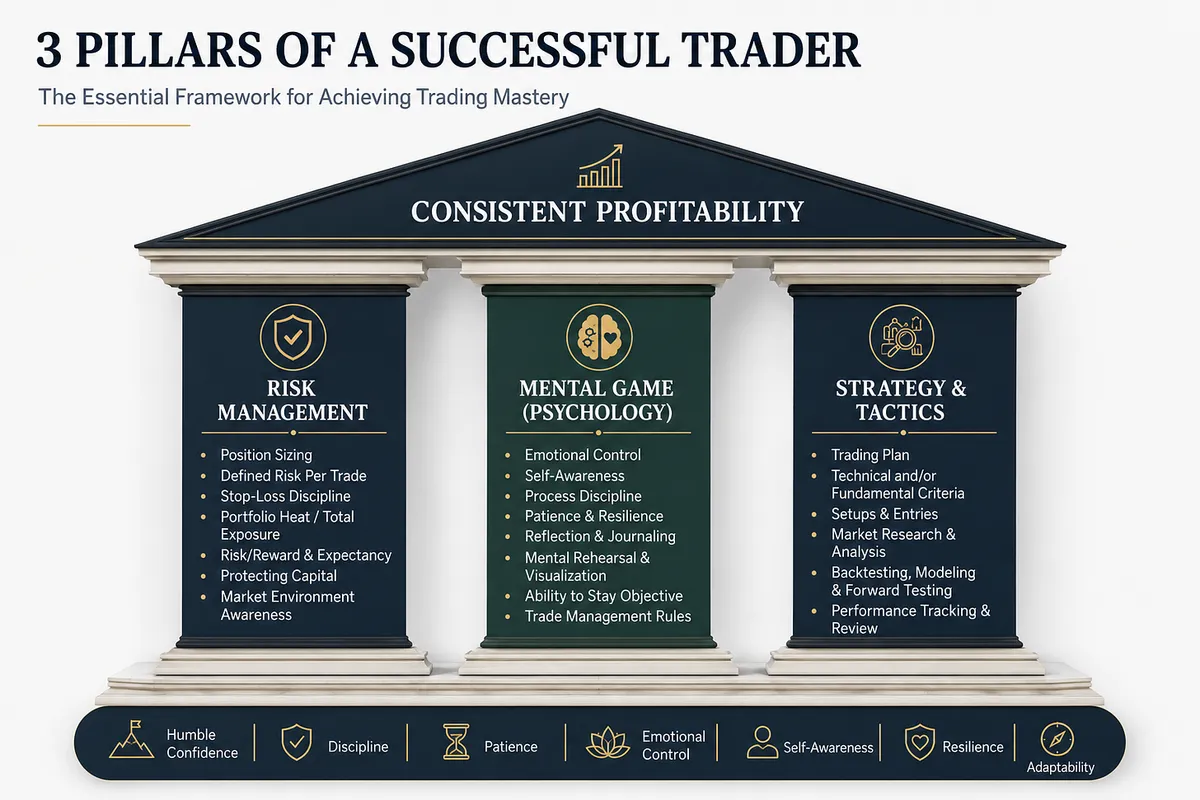
The goal is to create something closer to a professional trading environment.
Structured education.
And a professional-style community where serious traders can share ideas, study the market, use the tools, follow the process, and become more independent.
I am not completely against alerts.
When alerts are eventually added, they will be used as another educational tool.
A way to study real-time examples.
A way to recognize quality setups.
A way to understand risk/reward.
A way to help newer traders learn what a proper setup and trade plan can look like.
Not something to blindly follow.
The foundation will always be education, process, tools, and community.
The goal is to help traders develop the ability to think, plan, manage risk, and make decisions for themselves.
In other words, the goal is to teach traders how to fish, not create dependency by simply handing them fish.
I would rather build something that helps traders become independent than build something that keeps them dependent.
Because the goal is NOT to build a room full of traders begging for tips.
The goal is to build a professional trading environment full of traders who want to become real traders.