Survival Before Performance
Most traders focus on making money.
Gerald Loeb focused on survival.
He made that clear in The Battle for Investment Survival when he wrote that the reader should understand “the hazards of preserving capital and why the book is entitled, The Battle for Investment Survival”.
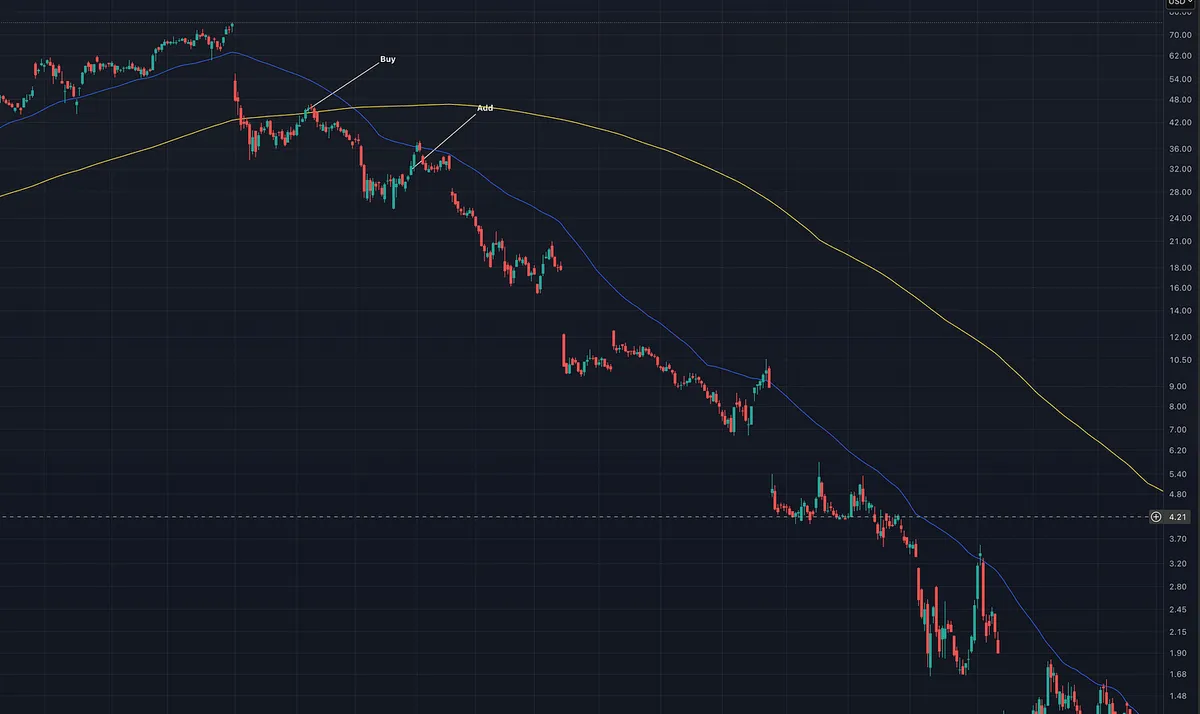
Loeb framed investing as a battle. Capital must be defended first. Without capital, there is no opportunity to compound.
William O’Neil carried that lesson forward.
In How to Make Money in Stocks, O’Neil recounts discussing loss cutting directly with Loeb:
“In his first work, The Battle for Investment Survival, Loeb advocated cutting all losses at 10%. I was curious and asked him if he always followed the 10% loss policy himself. ‘I would hope,’ he replied, ‘to be out long before they ever reach 10%.’ Loeb made millions in the market.”
That exchange is foundational.
Loeb emphasized survival. O’Neil refined it.
O’Neil tightened the rule even further:
“Always, without Exception, Limit Losses to 7% or 8% of Your Cost.”
This is not defensive thinking. It is offensive discipline.
Loeb warned against reckless attempts to “make a killing,” noting that such efforts carry the same supercharged speed on the downside . O’Neil similarly teaches that holding big losses clouds judgment and prevents objective decision-making .
The connection between the two books is clear:
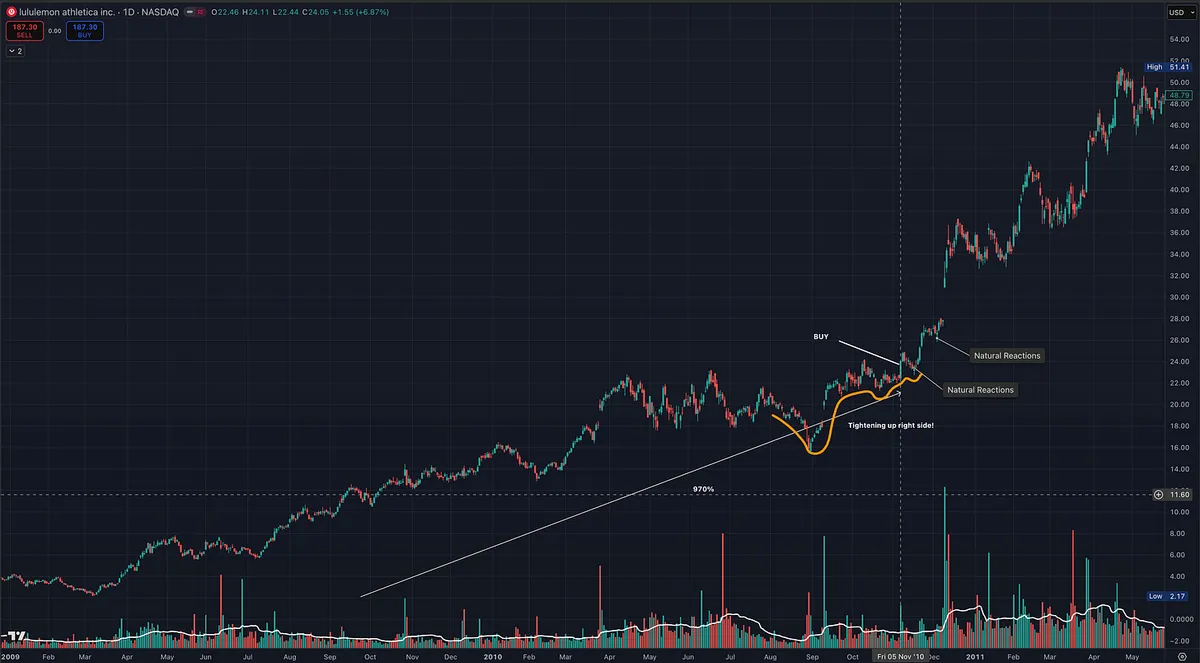
Preserve capital. Cut losses quickly. Let strength prove itself. Compound only when conditions are favorable.
Survival is not separate from performance.
Survival makes performance possible.
Protect capital first. Performance follows.