Too Much Backtesting, Not Enough Modeling
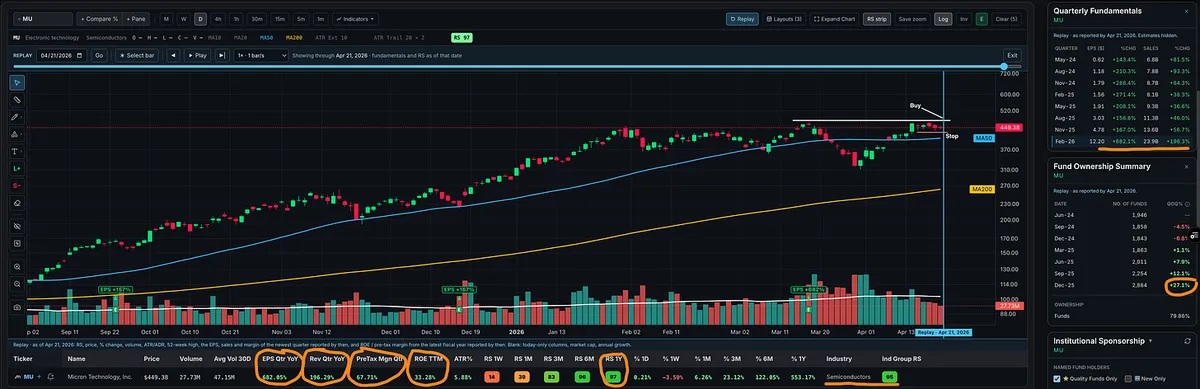
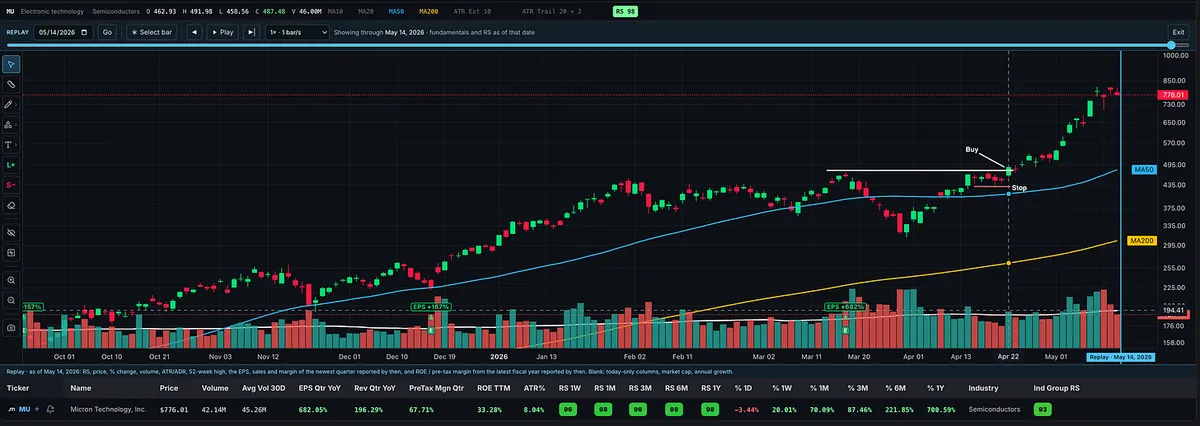
I see endless social media posts about backtesting. I see far fewer about modeling. Yet studying exceptional stocks and successful traders was foundational to several of the approaches everyone loves to quote.
Mark Minervini makes that distinction. He describes factor modeling as studying the biggest winners and identifying their common characteristics, much like studying gold medalists to understand what they did similarly. His criticism targets testing endless possibilities and backing into whatever historical relationship produces an attractive result: “That’s called curve fitting.”
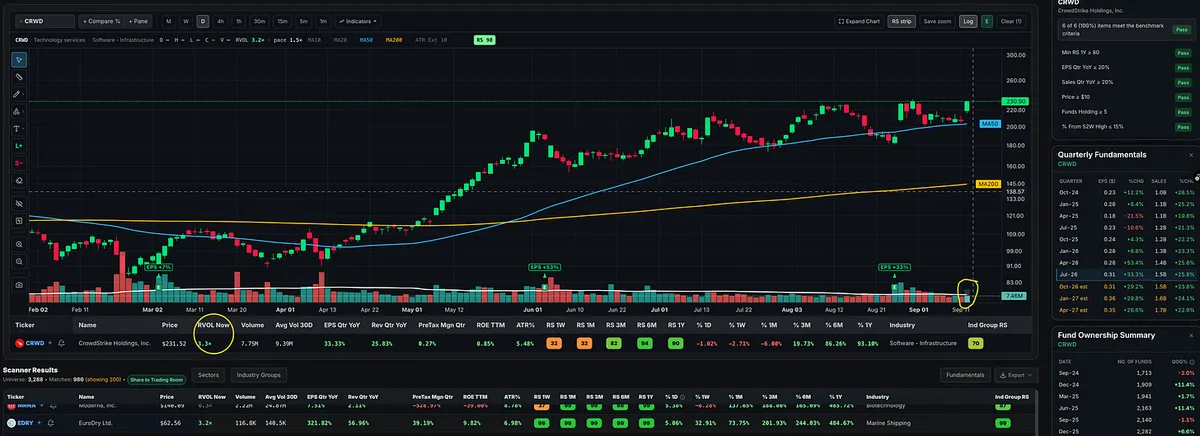
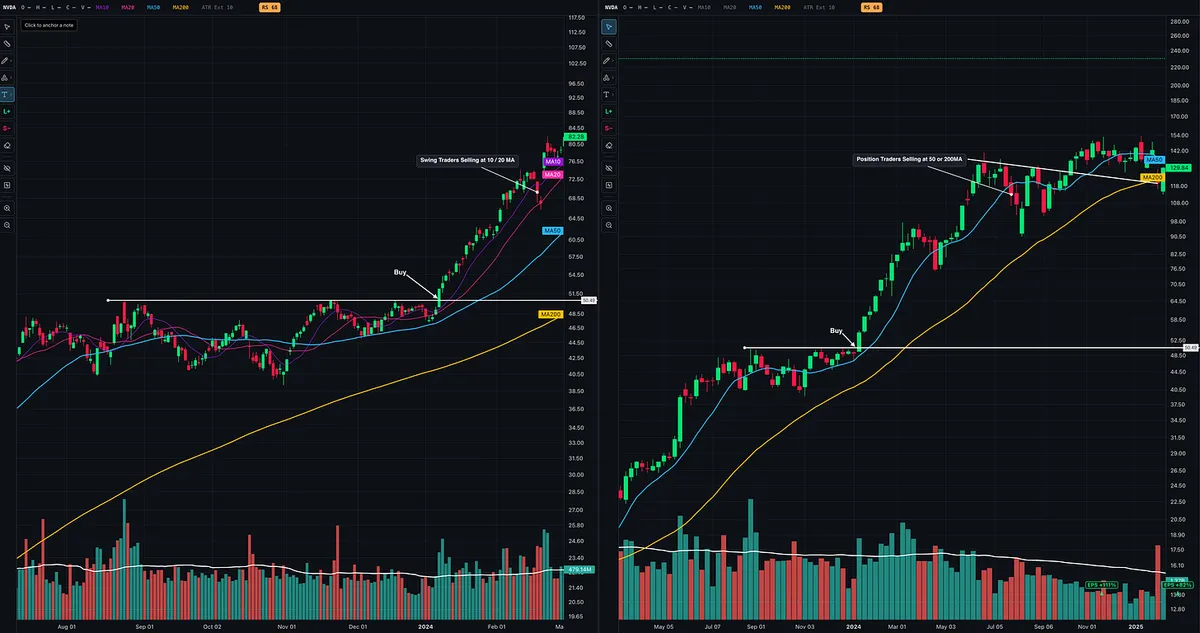
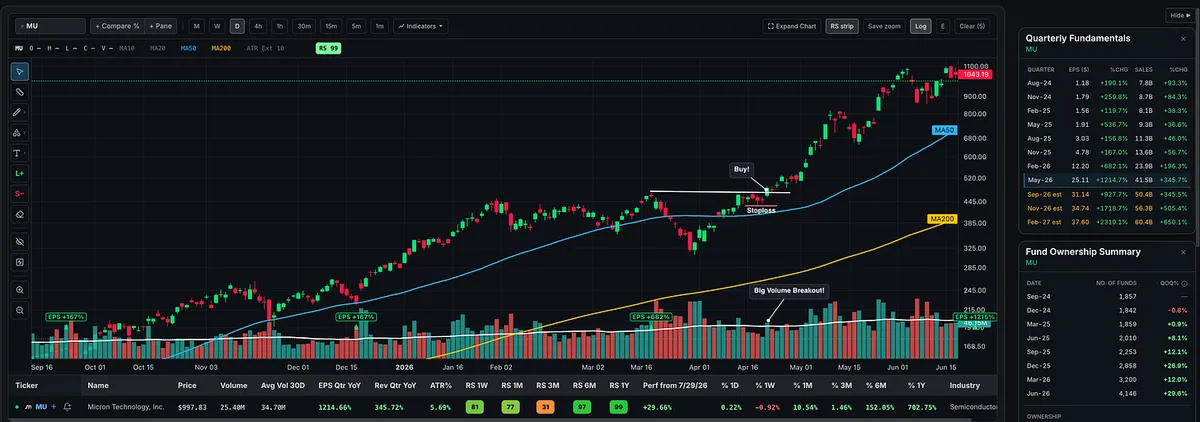
William O’Neil built CAN SLIM from studying the characteristics of past stock market winners. Minervini describes his own approach as modeling success, studying both exceptional stocks and legendary traders. Kristjan Kullamägi built a database containing thousands of historical setup examples, examining the charts, catalysts, and conditions behind the moves.
Dr. Van Tharp approached modeling through the trader: how successful people think, research, manage risk, and size positions. He also recognized the value of testing. In Trading Beyond the Matrix, he writes: “Backtesting is fine, but some people do way too much.”
You can spend years optimizing settings and still struggle to turn that research into actual profits. An impressive historical equity curve does not automatically give you the judgment or discipline to execute when money is on the line. Backtesting has its place, but it cannot do every part of your development for you.
William O’Neil, David Ryan, Mark Minervini, Dan Zanger, and Kristjan Kullamägi share an important thread: learning from successful traders and studying the market’s past winners, then refining their approach through experience with real capital. Ryan learned directly from O’Neil, and Zanger describes O’Neil’s teaching as a turning point in his development. Their careers demonstrate the value of studying excellence and putting those lessons into practice.
Athletes study champions. Musicians study masters. Traders can follow the same principle: study successful examples, understand the decisions behind them, examine failures, and test what you learn, but if you’re endlessly testing strategies without modeling excellence or learning to execute, you may be perfecting the research instead of developing the trader.
If you’ve spent hundreds of hours backtesting, how many have you spent modeling the stocks and traders you want to understand?