Why One of the Greatest Traders Wrote a Psychology Book
Ed Seykota was one of the first great systematic trend-following traders.
He was profiled in Market Wizards.
He helped pioneer computerized trading systems and took a small client account from around $5,000 into more than $15 million.
So you would think the one book he wrote about trading would be packed with entries, exits, indicators, formulas, and tactics.
It wasn’t.
The Trading Tribeis mostly about trading psychology.
That should stop every serious trader in their tracks.
Because Seykota already knew what most traders learn the hard way:
The strategy is usually not the biggest problem.
You are.
If you are brand new, yes, you still need to study. You need a real strategy, a real edge, risk management, position sizing, entries, stops, exits, and enough screen time to know what you are doing.
But if you already have rules...
If you already know where your stop goes...
If you already know you should not chase...
If you already know you should cut the loss...
If you already know you should let the winner work...
And you still keep breaking your own rules?
Then your problem is probably not the market.
It is probably not the chart.
It is probably you.
That is why The Trading Tribe matters.
It is not a magic indicator book.
It is not a secret system book.
It is about the emotions and internal drama that cause traders to abandon good systems at the worst possible time.
Hope.
Fear.
Greed.
Despair.
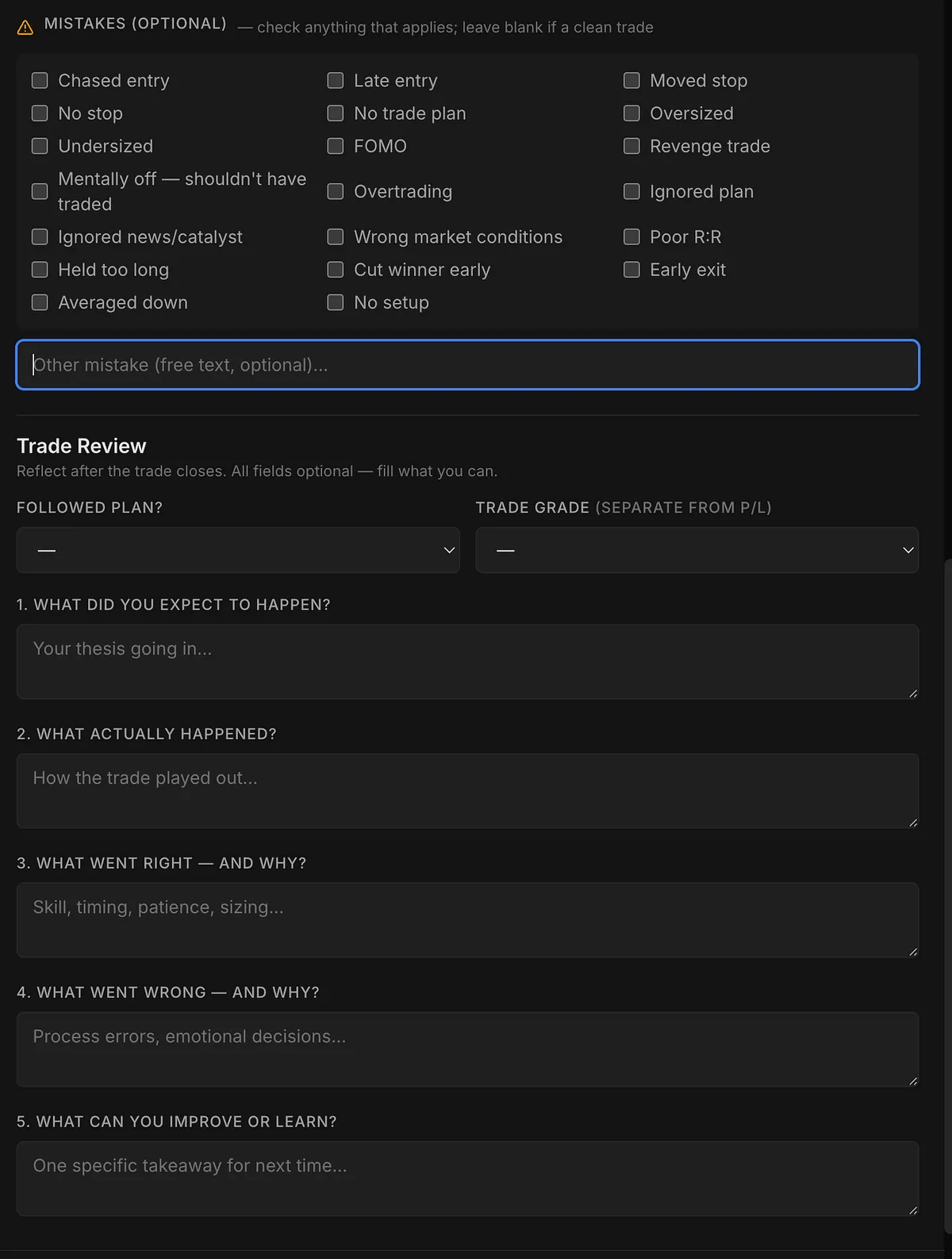
The same emotions that make traders exit good trades too early, enter bad trades too late, move stops, oversize, hesitate, revenge trade, and turn a trading plan into an emotional negotiation.
That is where the real damage happens.
A trader can have a profitable system and still lose money if he cannot follow it.
A trader can know the right thing to do and still fail if he cannot execute under pressure.
A trader can study every setup in the world and still destroy his account if he keeps acting out his emotions in the market.
So here is the challenge:
Study yourself as much as you study charts.
Why do you move your stop?
Why do you sell too early?
Why do you hesitate?
Why do you chase?
Why do you need to be right?
Why can’t you take a small loss?
Why do you abandon your plan the second the market makes you uncomfortable?
At some point, the next level is not another indicator.
It is not another setup.
It is not another video.
It is learning how to get out of your own way.
That is where most traders are stuck.
And that is why one of the greatest systematic traders of all time wrote a trading book that was essentially all psychology.