
Momentum Trading Strategy

Notes

Risk Management & Position Sizing

Notes whose main point is limiting losses and deciding how much to buy and how much to risk on each trade.

Showing 221–224 of 224 notes

View on Substack ↗

You don’t need grand slams to build serious wealth.

Most successful investors make their money hitting consistent 2x to 3x base hits—cutting losses quickly, letting winners run, and compounding gains over time. Out of 100 trades or investments, you might catch a 10x or 20x—but it’s almost never the one you expected.

The rookie mistake? Swinging for the fences on every pitch. The pro mindset? Stack small wins, stay in the game, and let time and discipline do the heavy lifting.

Compound a series of 2–3x winners with proper risk management, and you’ll often outperform those endlessly chasing unicorns.

If you’re doing well swinging for grand slams, that’s great—keep going. Just wanted to share another method that might align better with some people's personalities and risk tolerance.
View on Substack ↗

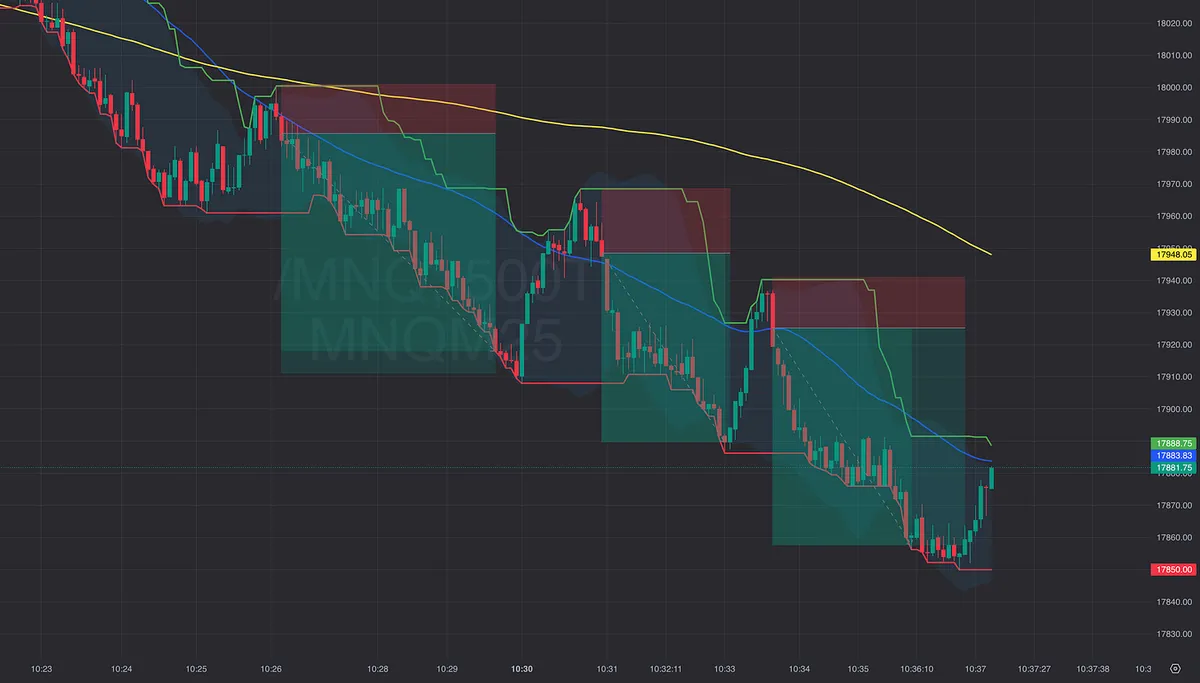
Clear trend. Clean entries. Low risk, higher reward.

Don’t pick tops. Don’t bottom fish.

Wait for the setup → grab the meat in the middle → get out.

-Don’t overstay your welcome.

-Don’t jump in early.

-Follow the trend.

“I don't try to pick bottoms or tops. I try to catch the meat in the middle.” — Bruce Kovner

“Whenever I enter a position, I have a predetermined stop. That is the only way I can sleep. I know where I’m getting out before I get in. The position size on a trade is determined by the stop, and the stop is determined on a technical basis.” — Bruce Kovner

“The market being in a trend is the main thing that eventually gets us in a trade.” — Richard Dennis

View on Substack ↗

Trade Small—Because You’re as Bad as You’ll Ever Be

What’s the most important advice you could give a new trader?

Richard Dennis—one of the greatest traders of all time—nailed it:

“Trade small because that’s when you are as bad as you are ever going to be. Learn from your mistakes. Don’t be misled by the day-to-day fluctuations in your equity. Focus on whether what you are doing is right, not on the random nature of any single trade’s outcome.”

This advice is simple but brutally hard to follow—especially when you’re new, excited, and convinced you’re about to double your account in a week.

Trading small feels slow. It feels like you’re wasting time. But in reality, you’re buying the most valuable thing: experience without blowing up your account.

When you start, you’re guaranteed to be bad. You don’t know how you’ll react when you’re down. You haven’t faced the market’s randomness or your own emotions. You don’t have a system you trust yet.

Trading small gives you room to make mistakes and survive. It keeps you in the game long enough to learn the only lesson that matters: Your job is to trade well, not to chase outcomes.

A good trade can lose. A bad trade can win. The outcome of one trade is noise. What matters is sticking to your process—over, and over, and over.

Ironically, if you master that, the money eventually comes. But it starts with humility, discipline, and sizing small until you’ve earned the right to size up.

Stay small. Stay alive. Keep learning.