
Trading articles/Why Great Investors Reject Diversification
Jan 27, 2026 · Momentum Trading Strategy
Why Great Investors Reject Diversification
What William O’Neil and Warren Buffett Agreed On That Most People Ignore
Originally published on Substack.
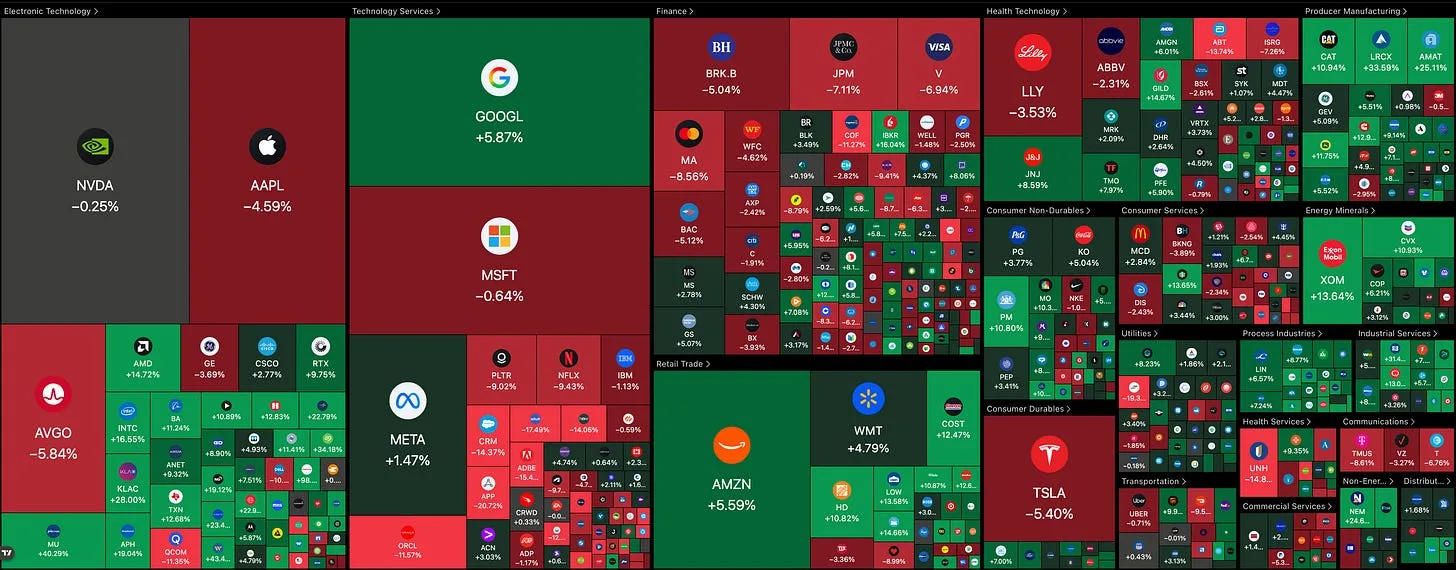
Most investors believe diversification equals safety.
More stocks. More funds. More protection.
It sounds responsible. It feels prudent. And for many people, it quietly destroys performance.
Because diversification is comforting, but comfort and outperformance rarely coexist.
Some of the greatest investors in history rejected diversification outright. Not because they were reckless, but because they understood something most people never learn.
“Diversification Is a Hedge for Ignorance”
In Market Wizards, William O’Neil said something that still makes people uncomfortable decades later:
“Diversification is a hedge for ignorance. I think you are much better off owning a few stocks and knowing a great deal about them. By being very selective, you increase your chances of picking superior performers. You can also watch those stocks much more carefully, which is important in controlling risk.”
That statement cuts directly against conventional advice.
But O’Neil was not guessing. He built his philosophy by studying the greatest stock winners in history and managing money through multiple market cycles.
His core belief was simple. Risk is not reduced by owning more stocks. Risk is reduced by knowing exactly what you own and acting decisively when you are wrong.
You Do Not Need a Large Basket to Achieve Superperformance
When pressed on what concentration actually looks like in practice, O’Neil did not stay vague.
In the same Market Wizards interview, he was asked a very direct question:
How many issues would you advise a typical investor to hold at any one time?
His answer was precise:
For an investor with $5,000 ($12,981 today’s dollars), one or two stocks
$10,000 ($25,963 today), three or four
$25,000 ($64,907 today), four or five
$50,000 ($129,815 today), five or six
$100,000 ($259,000 today) or more, six or seven
That book was published in 1989, so yes, those dollar figures would be higher today when adjusted for inflation.
But the principle does not change.
Exceptional performance does not come from owning everything. It comes from owning the right things, in size, and managing them with discipline.
Concentration Is Not Recklessness. It Is Focus.
This is where many people get confused.
Concentration does not mean ignoring risk. It demands more risk management, not less.
Fewer positions mean clearer decision making, faster exits when something breaks, more attention on what actually matters, and less emotional noise.
Owning too many stocks often becomes a substitute for conviction. It dilutes both gains and accountability.
Even Warren Buffett Agreed
This is not just a growth stock idea.
Warren Buffett, a value investor with a completely different style, famously said:
“Diversification is protection against ignorance. It makes little sense if you know what you are doing.”
Different methods. Same conclusion.
The greatest investors and traders often disagree on style, but they tend to agree on risk management principles. They focus on similarities that matter, not surface-level differences.
Where Most Investors Go Wrong
One of the biggest mistakes I see is this.
Instead of owning a fund or ETF for market exposure and then separately trading individual stocks with focus and intent, many people blend the two approaches into something that does not work.
They buy a large number of individual stocks, becoming overly diversified, essentially trying to behave like a fund.
But their results are often worse than simply owning SPY or QQQ.
They are not getting market returns. And they are not getting superperformance.
In trying to act like a fund, they end up with neither the simplicity of an ETF nor the upside of concentrated stock selection.
There Is a Time and Place for Diversification
O’Neil was not anti diversification across the board.
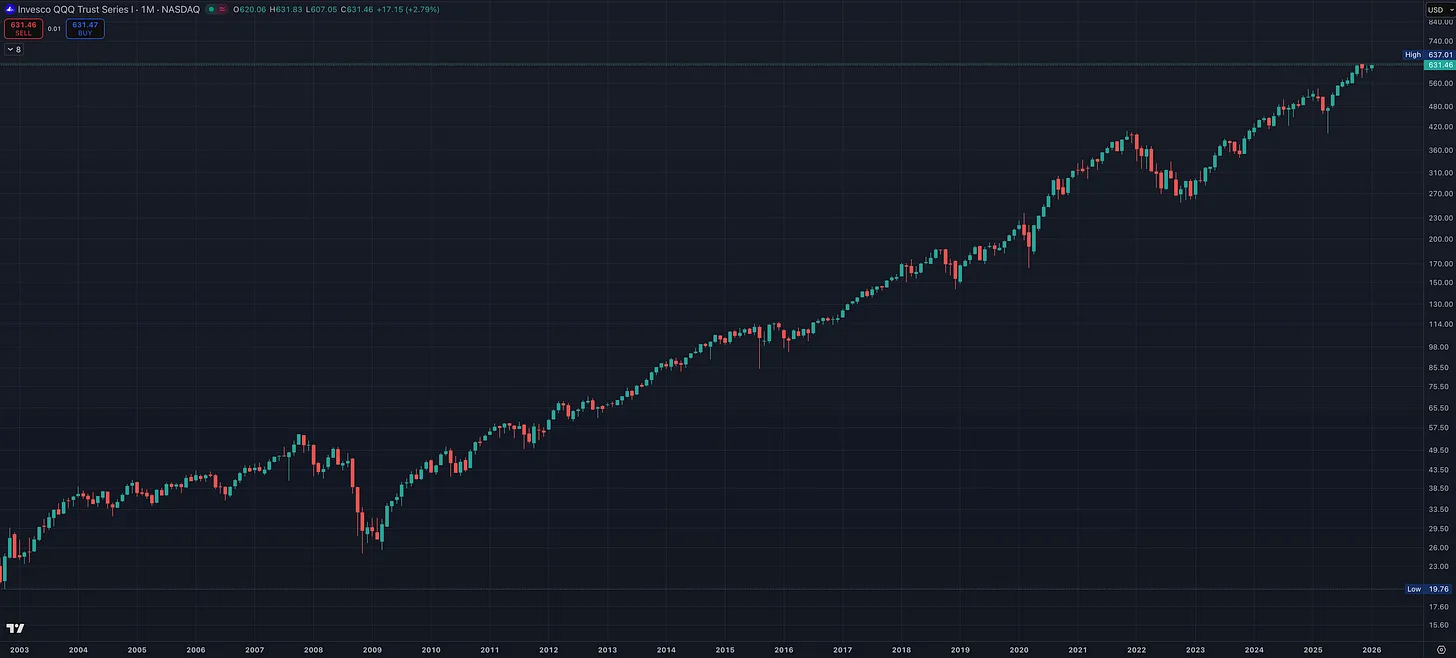
He believed investors should also have a separate long-term account dedicated to owning a fund. Today, that might be SPY, QQQ, or another broad ETF.
Buying a fund and holding it for 15 years or more can be extremely powerful.
But he was clear about the tradeoff.
To make truly big money that way, you must have the courage to sit through three, four, or even five bear markets.
A typical diversified growth fund might rise 70 to 100 percent in a bull market, but it can still decline 20 to 30 percent in a bear market.
That is investing.
What we are talking about here is something different.
Active stock selection. Momentum. Superperformance.
Those require focus, not dilution.
Two Buckets. Two Mindsets.
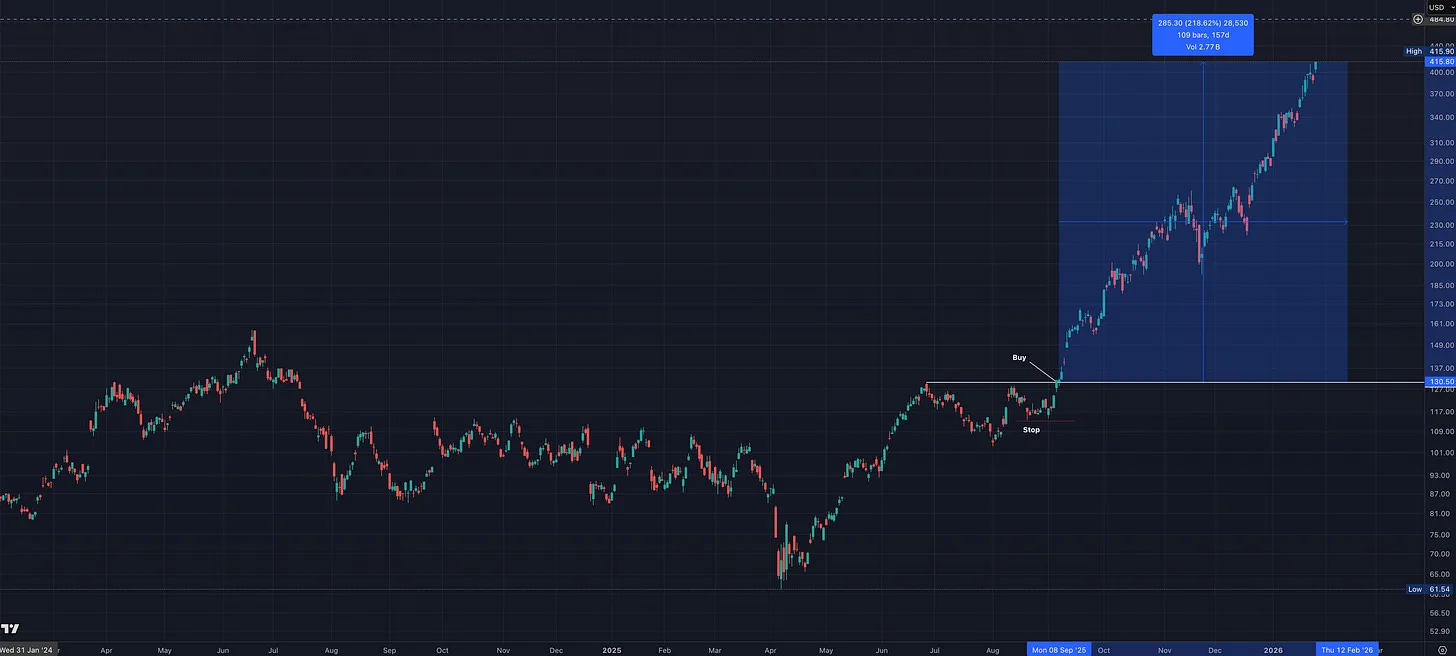
Long-term investing and active stock selection should not be blended mentally.
One is about patience and endurance.
The other is about precision and decisiveness.
Problems arise when investors apply diversification logic to active trading, or trading logic to long-term investing.
They are different games. They require different rules.
The Real Risk Is Not Owning Too Few Stocks
The real risk is owning too many stocks you do not truly understand.
That is where discipline erodes. That is where losses compound quietly. That is where performance disappears.
If your goal is simply to earn the market’s return, owning an ETF like SPY or QQQ may be the cleanest solution.
But if your goal is to achieve additional performance, history suggests a different approach.
Listen to O’Neil. Find a few great names. Know them well. Watch them closely.
And if you want, you can do both, just as he recommended.
More in Risk Management
All Risk Management articles →
Oct 11, 2026 · Risk Management
How Many Stocks Should You Own? The Mistake That Can Cost You Your Biggest Winners
What William O'Neil, Mark Minervini, and the Market Wizards teach us about portfolio concentration, position sizing, cash management, and knowing when to stop trading.
- Momentum Trading
- Investing
- CANSLIM
- Trading
- position trading
- Growth Stock Trading
- Portfolio Heat
- David Ryan
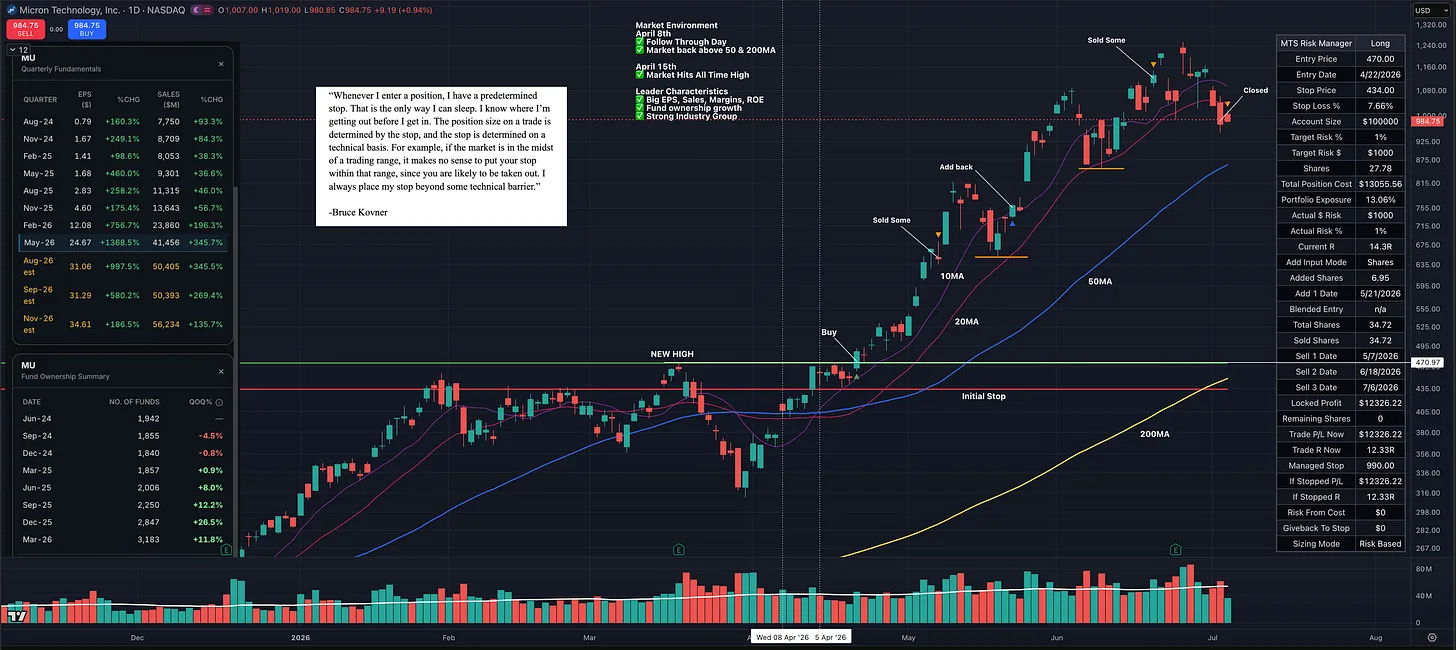
Jul 7, 2026 · Risk Management
Position Size and Manage Risk Like a Market Wizard
Using Bruce Kovner’s stop-loss principle to plan the trade before the trade begins.
- growth stocks
- Momentum Trading
- fundamental analysis
- Learn Trading
- technical analysis
- Investing
- CANSLIM
- Trading
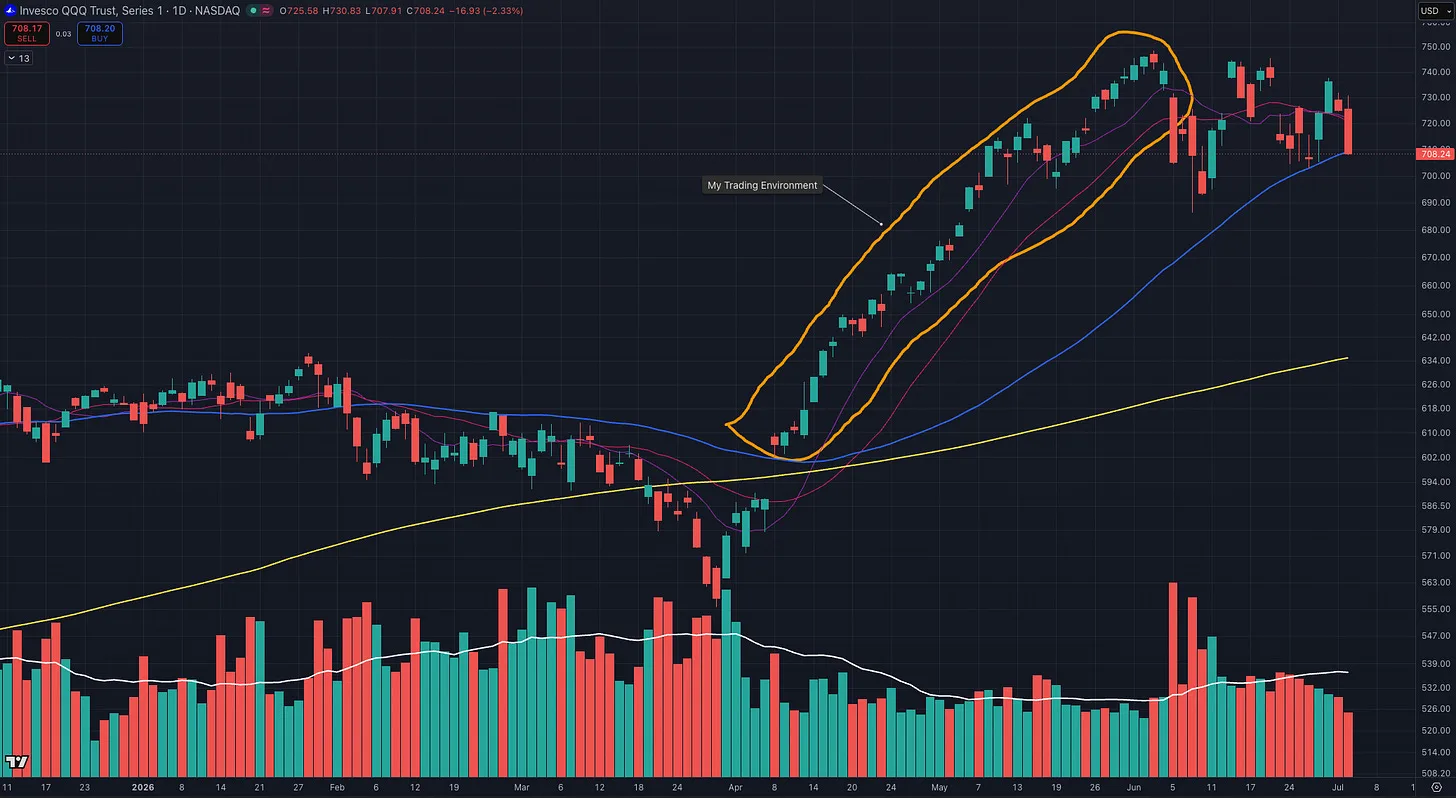
Jul 2, 2026 · Risk Management
Why Great Traders Can Seem Bipolar in Choppy Markets
The best traders are not changing their minds because they are confused. They are changing their exposure because the market evidence has changed.
- Momentum Trading
- progressive exposure
- Learn Trading
- CANSLIM
- Trading
- position trading
- Growth Stock Trading
- stock trading