
Trading articles/Position Size and Manage Risk Like a Market Wizard
Jul 7, 2026 · Momentum Trading Strategy
Position Size and Manage Risk Like a Market Wizard
Using Bruce Kovner’s stop-loss principle to plan the trade before the trade begins.
Originally published on Substack.
One of the biggest lessons from Market Wizards is that great traders do not enter positions casually. They know where they are wrong before they ever get in. Bruce Kovner explained this perfectly when he said:
“Whenever I enter a position, I have a predetermined stop. That is the only way I can sleep. I know where I’m getting out before I get in. The position size on a trade is determined by the stop, and the stop is determined on a technical basis. For example, if the market is in the midst of a trading range, it makes no sense to put your stop within that range, since you are likely to be taken out. I always place my stop beyond some technical barrier.”
- Bruce Kovner
That idea sounds simple, but most traders get it backwards. They decide how many shares they want to buy first, then they try to figure out where the stop should go afterward. That usually leads to random risk, oversized positions, or stops placed in areas where normal price action can easily shake them out.
In this video, I walk through how I apply Kovner’s principle using MU as a real example. The point is not simply to say, “Use a stop loss.” The point is to show how to think through the entire trade before getting involved.
- Where is the logical technical stop?
- How much room does the trade need?
- How much of the account should be at risk?
- And how many shares does that actually allow you to buy?
The stop has to come first. If a stock is forming a handle, tightening near highs, or pulling back within a normal range, it usually makes no sense to place the stop inside the range of that price action. The stop should be placed beyond a logical technical barrier where the trade idea is actually wrong.
Once the stop is defined, position sizing becomes much more objective. In the MU example, I show how the entry, stop, account size, and target risk percentage all work together to determine the correct share size. Instead of guessing or buying based on emotion, the trade is built from the risk backward.
From there, I also show how the trade can be managed as it starts working. That includes selling some into strength, moving the stop as the stock builds a profit cushion, adding back when the setup justifies it, and tracking total exposure so the position does not quietly become too large. This is where trade management becomes just as important as the original entry.
The goal is not to predict perfectly. The goal is to know where you are wrong, control the downside, and give the trade enough room to work when you are right. That is the difference between gambling on a setup and managing a position with a real process.
This is how I think about position sizing, stop placement, and risk management inside the Momentum Trading Strategy process. To learn more, dive into Modules 5 and 6 of the Momentum Trading Strategy Course.
Finding a great stock is only part of the job. Knowing how much to buy, where to get out, and how to manage the trade after entry is what keeps you in the game long enough to compound your account.
More in Risk Management
All Risk Management articles →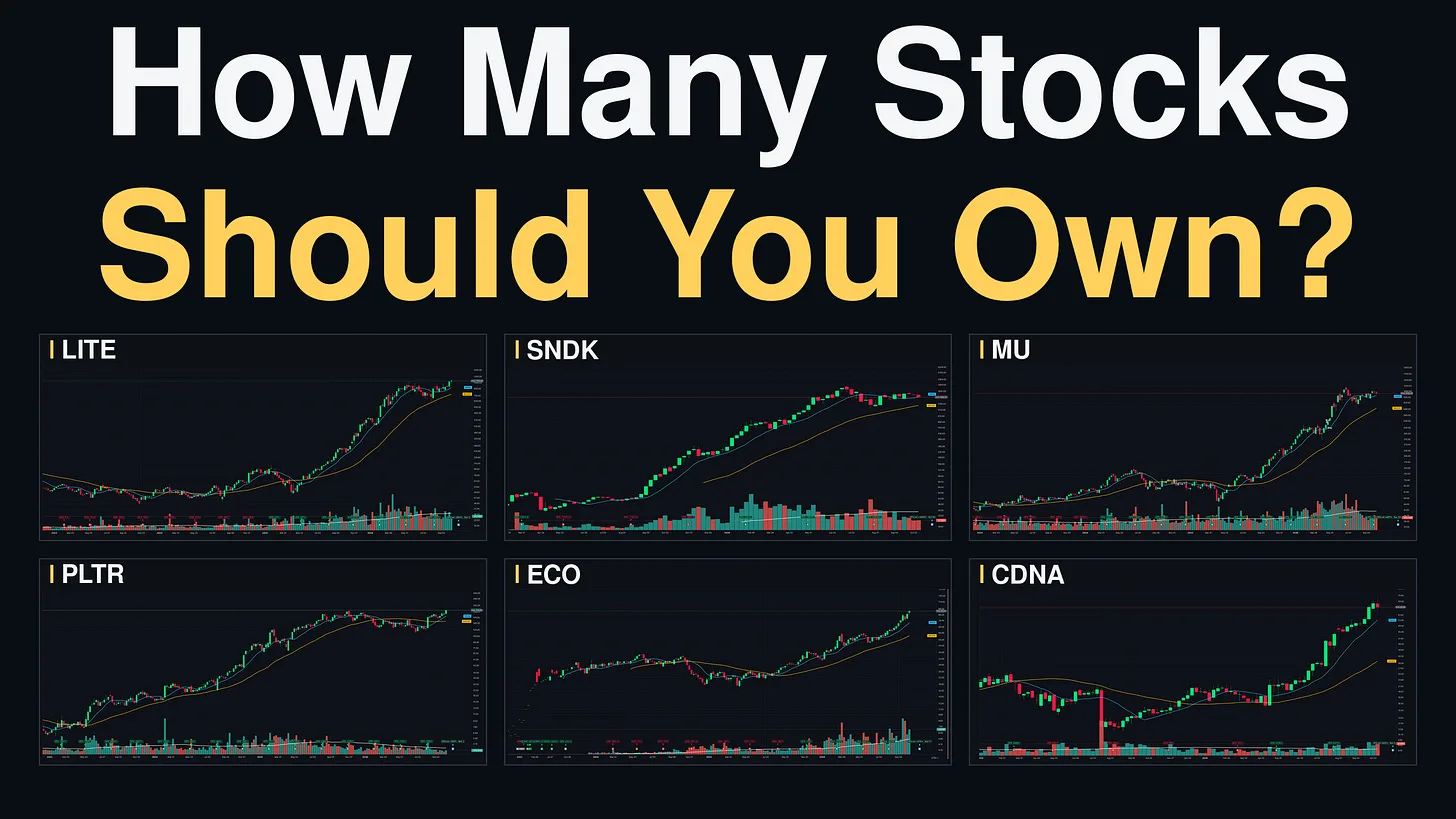
Oct 11, 2026 · Risk Management
How Many Stocks Should You Own? The Mistake That Can Cost You Your Biggest Winners
What William O'Neil, Mark Minervini, and the Market Wizards teach us about portfolio concentration, position sizing, cash management, and knowing when to stop trading.
- Momentum Trading
- Investing
- CANSLIM
- Trading
- position trading
- Growth Stock Trading
- Portfolio Heat
- David Ryan
Jul 2, 2026 · Risk Management
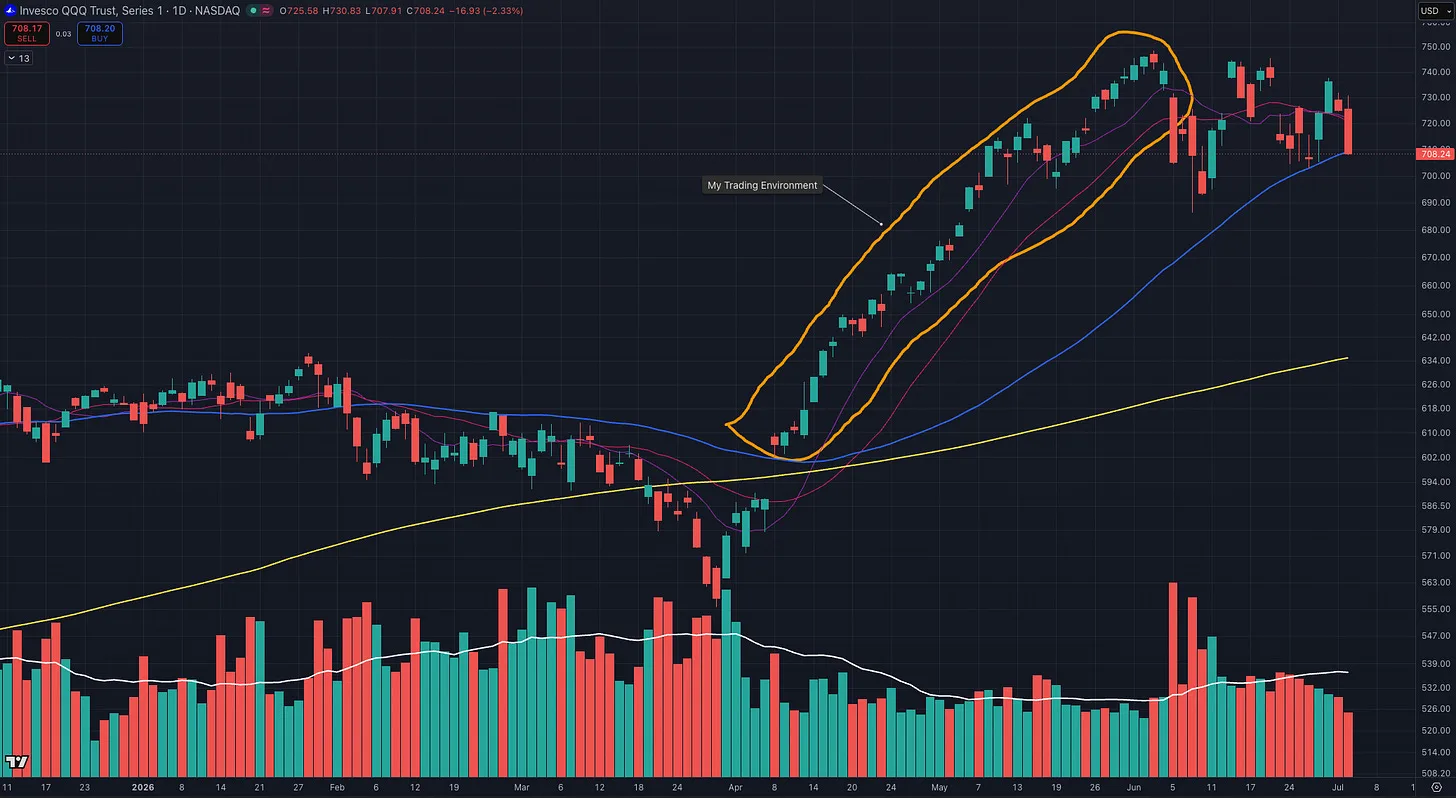
Why Great Traders Can Seem Bipolar in Choppy Markets
The best traders are not changing their minds because they are confused. They are changing their exposure because the market evidence has changed.
- Momentum Trading
- progressive exposure
- Learn Trading
- CANSLIM
- Trading
- position trading
- Growth Stock Trading
- stock trading
May 19, 2026 · Risk Management
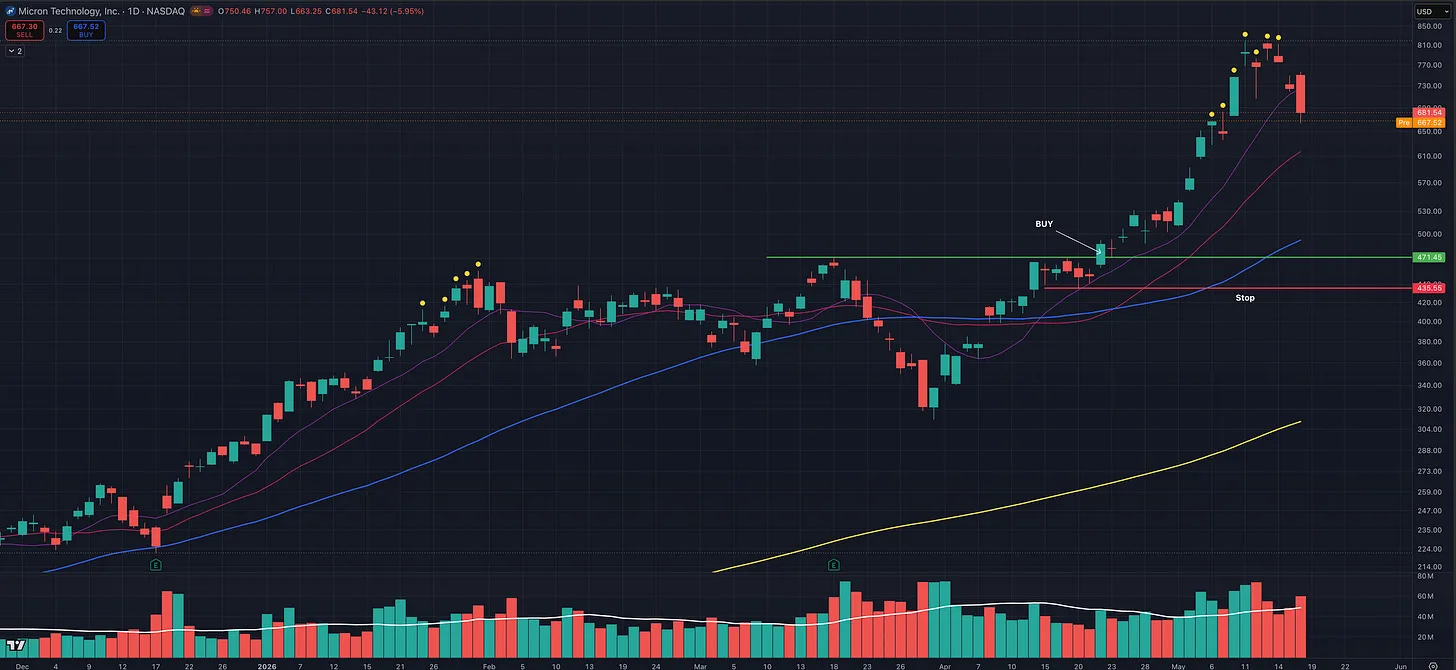
Does O’Neil’s 8% Stop-Loss Rule Still Work Today?
A real trade example showing how the rule works when paired with proper position sizing.
- growth stocks
- Momentum Trading
- learn to trade
- Finance Risk
- CANSLIM
- position trading
- Position Sizing
- Risk Management