
Trading articles/The Cost of Bias: Why Loving Your Asset Class Is a Liability
Nov 12, 2025 · Momentum Trading Strategy
The Cost of Bias: Why Loving Your Asset Class Is a Liability
Why Emotional Attachment to Bitcoin, Stocks, Gold, or Real Estate Can Destroy Your Returns
Originally published on Substack.
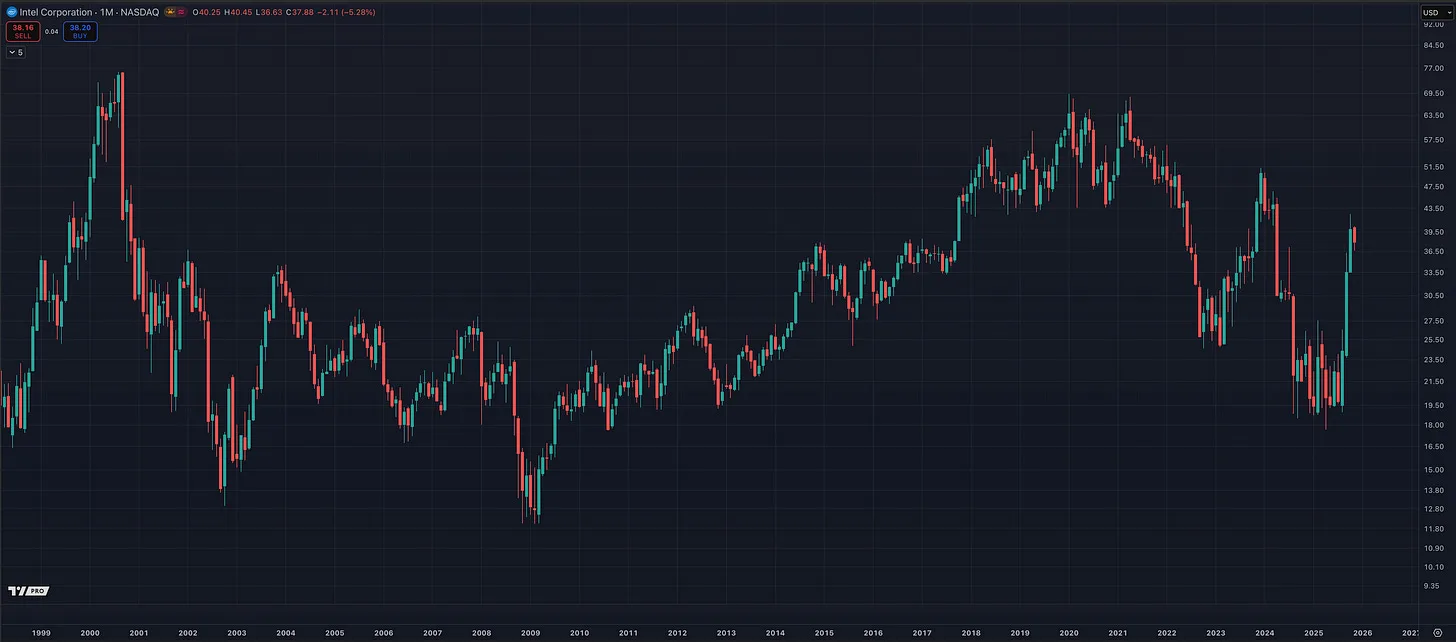
Investors love to say they’re rational.
They research, they plan, they analyze.
But scroll through social media and you’ll find a different reality.
People identify with their favorite investments like sports teams.
- The Bitcoin maxi
- The tech stock evangelist
- The gold bug
- The real estate (only!) purist
- The “cash is trash” crowd
They argue, defend, and proselytize with religious conviction. It’s no longer about strategy, it’s about identity.
But here’s the uncomfortable truth:
Professional investors do not fall in love with assets.
They fall in love with process.
If you want to survive long-term in markets, that distinction is everything.
Emotional Bias: The Silent Performance Killer
Bias is expensive, financially and psychologically.
When you “love” an asset, you stop evaluating it objectively. Your identity becomes intertwined with its success. And once that happens, every new piece of information gets filtered through the lens of protecting your beliefs.
This leads to:
- Confirmation bias
- Overconfidence
- Anchoring
- Failure to cut losses
- Holding losers too long
- Selling winners too early
- Refusing to adapt
In other words…
You stop thinking. You start defending.
That’s deadly in markets.
Professionals Operate Differently
Professionals don’t care about narrative.
They care about:
- Trend
- Risk
- Position sizing
- Entry and exit criteria
- Expected return
- Probability
They know that no single asset is entitled to a permanent place in their portfolio. Everything is conditional, based on what’s happening right now.
You’re not in a relationship with Bitcoin.
Tesla isn’t your friend.
Gold doesn’t “protect” your feelings.
If your strategy gives you a signal, long or short, the correct move is to execute, regardless of whether you personally “like” the name.
Your preferences don’t matter. Your process does.
Your Strategy Won’t Always Align With Your Opinions
A robust strategy eventually forces you to confront discomfort.
It might tell you to:
- Buy a sector you think is “overvalued”
- Short a company you personally admire
- Exit a position you still believe has potential
- Own assets you don’t philosophically agree with
At that moment, you face a critical test:
Are you committed to your system…
or to your ego?
That’s when you find out whether you’re a professional or just a passionate fan.
The Market Doesn’t Care About Beliefs — Only Behavior
Bringing ideology or identity into your portfolio is a disaster.
Example:
- You refuse to buy energy stocks because of environmental politics
- You avoid tech because “it’s in a bubble”
- You swear off bonds because “rates will only rise”
- You ignore Bitcoin because “it’s not real”
Your opinions won’t make you money.
Your opinions won’t protect you.
The market rewards those who respond to what IS happening, not what they THINK should happen.
Detach → Execute → Repeat
That’s the job.
Attachment Leads to Lower Returns
Here’s why emotional attachment is dangerous:
- It narrows your opportunity set
If you only trade what you “believe in,” you’ll miss entire cycles. - It introduces political + moral bias
Markets move on supply and demand, not ethics. - It turns analysis into justification
You stop evaluating and begin defending. - It blinds you to regime changes
Every asset class has seasons.
If you fall in love with one, you’ll ignore when that season ends. - It erodes discipline
Bias leads to oversized positions, late exits, and stubbornness.
This is how fortunes are lost, not because someone failed to predict the future, but because they refused to listen to the present.
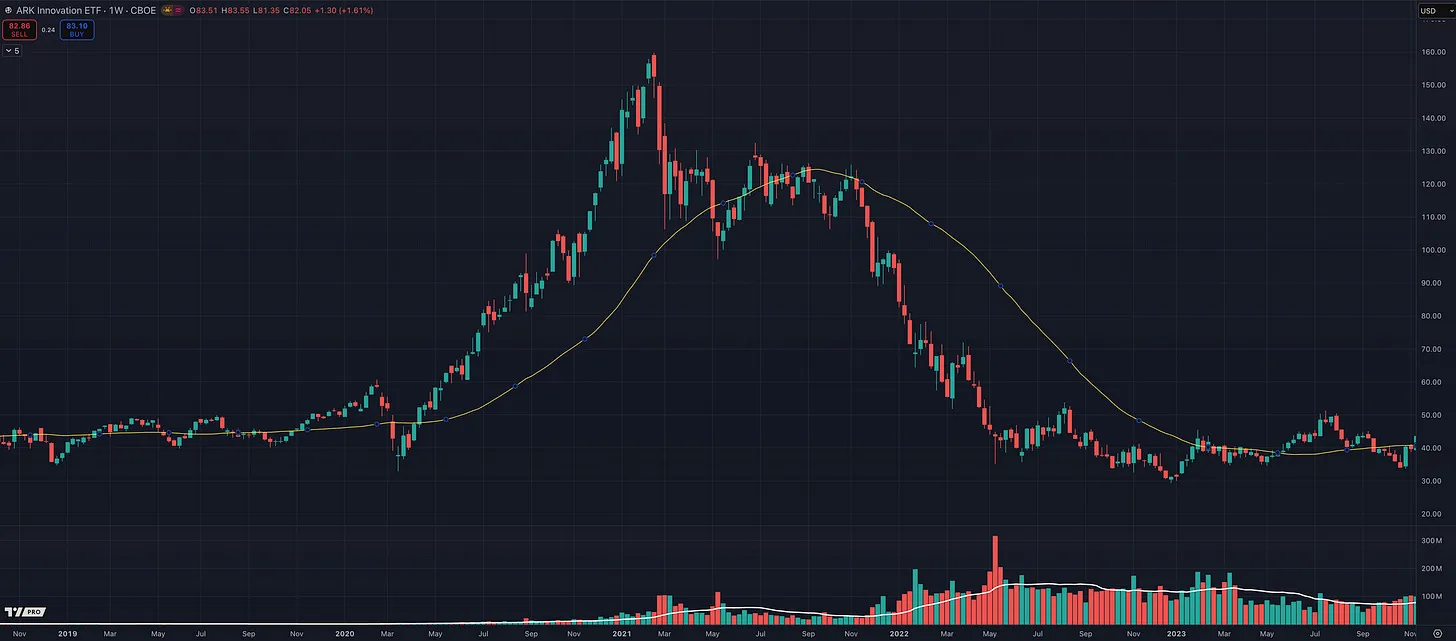
Narrative euphoria isn’t a strategy. ARKK soared during the 2020–2021 tech mania, then fell nearly 80% as the cycle reversed. Investors who believed the story more than the trend watched years of gains disappear. Loving the theme didn’t protect the capital, discipline would have.
Process > Narrative
The highest-performing investors and traders share one common trait:
They are relentlessly process-driven.
Their edge comes from:
- Repeatable rules
- Measured risk
- Clear entries and exits
- Consistent execution
- Adaptability
They don’t need to love the asset.
They need to love the setup.
If the edge is there, they take it.
If the edge disappears, so do they.
That’s it.
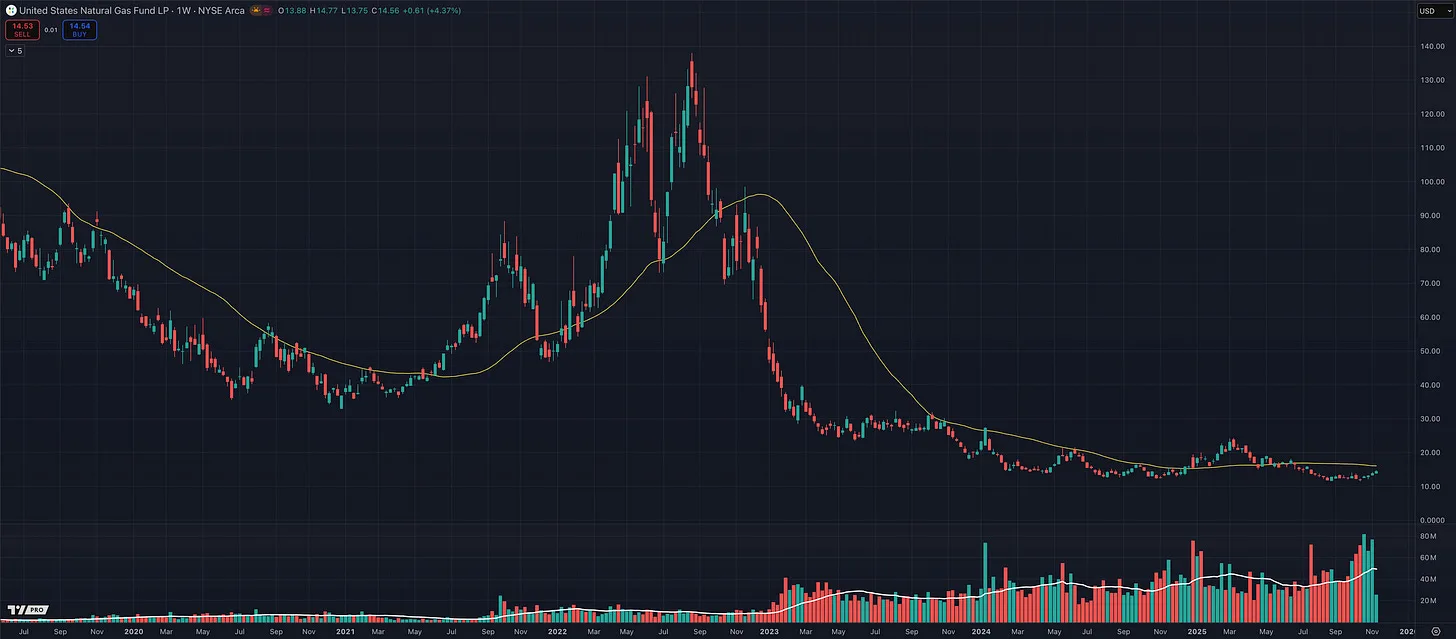
Some assets are permanently volatile and structurally terrible to hold. UNG repeatedly explodes higher, only to collapse to new lows. Buy-and-hold history here = near-total wealth destruction. Traders who got emotionally attached paid with their accounts.
A Healthy Market Mindset
If you want to build real longevity, adopt these principles:
1) You are not your portfolio
Your wins and losses don’t define you.
2) You don’t need to be “right”
Profits matter more than victory laps.
3) No asset is special
Everything is rent, not own.
4) Data > feelings
Price action is the truth.
5) Systems reduce emotion
Your rules protect you from yourself.
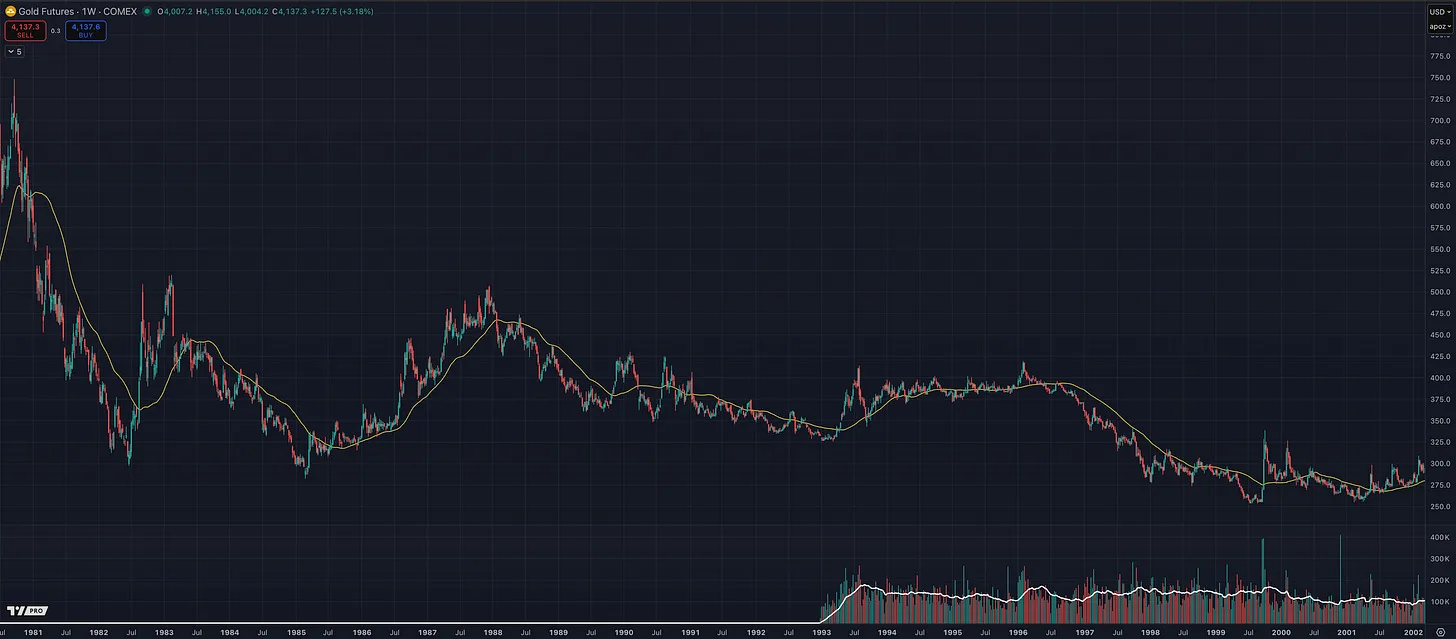
After its 1980 peak, gold drifted sideways to lower for nearly two decades. Even beloved “safe haven” assets can stagnate for entire investor lifetimes. Blind loyalty = lost opportunity.
Bottom Line: Stay Unbiased
If long-term performance is your goal, tattoo this somewhere you’ll see often:
You’re not here to fall in love.
You’re here to execute.
Detach from identity.
Let data guide.
Stay open-minded.
Follow your strategy.
Follow a process.
Your portfolio and your stress levels will thank you.
Stop cheering for assets.
Start thinking like a professional.
That’s how you win over decades.
More in Trading Psychology
All Trading Psychology articles →
Oct 27, 2026 · Trading Psychology
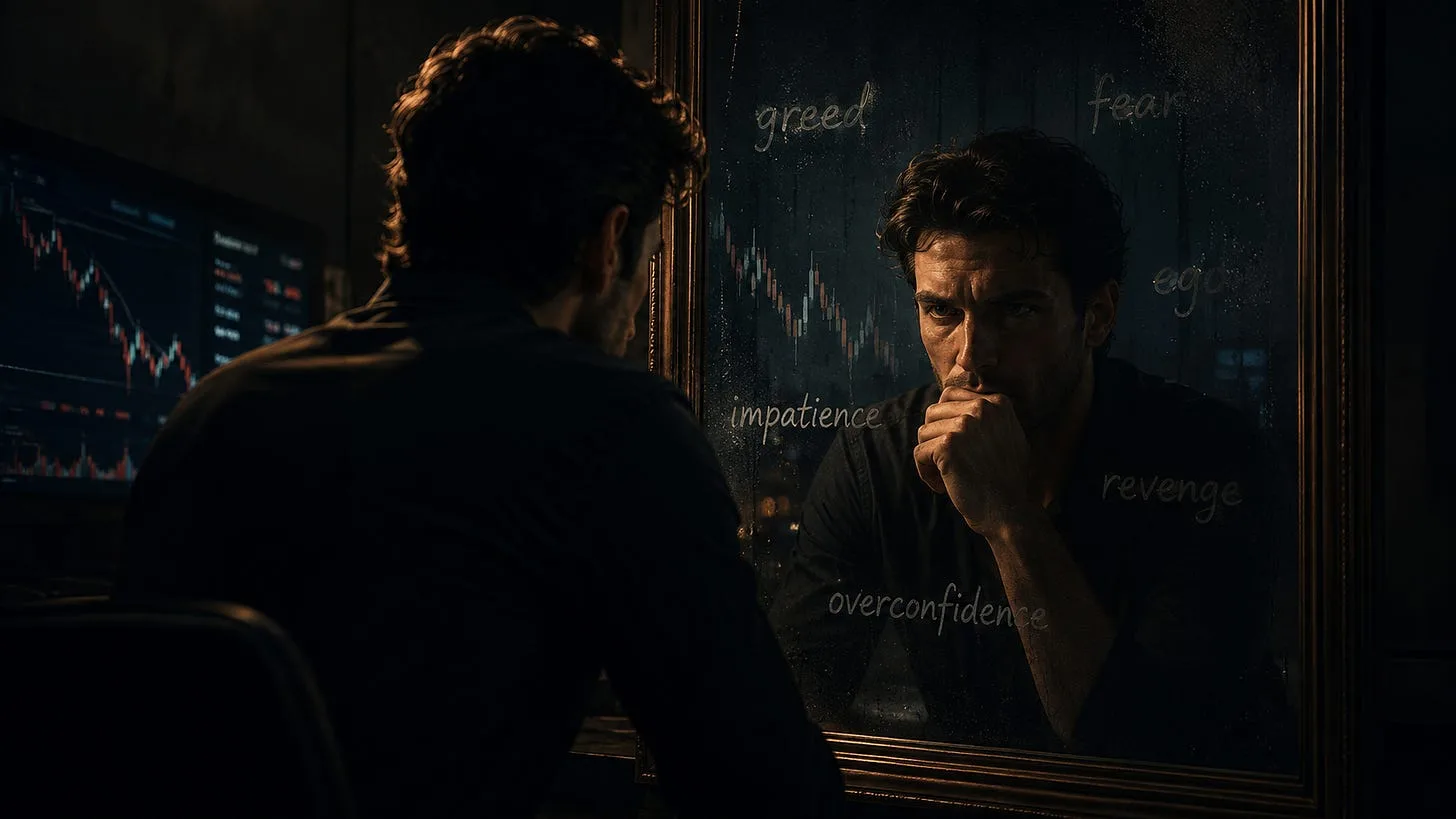
The Hidden Beliefs Sabotaging Your Trading
Why knowing the rules isn’t enough. Lessons from Van Tharp and Ed Seykota on trading psychology, self-sabotage, and changing the beliefs that hold you back.
- trading psychology
- Investing
- Trading
- Momentum Trading Strategy
- Market Wizards
Sep 1, 2026 · Trading Psychology
The Market Isn’t Your Biggest Opponent. You Are.
Why the greatest traders eventually discover that trading psychology, discipline, and self-mastery matter more than another setup, indicator, or strategy
- growth stocks
- Momentum Trading
- Learn Trading
- trading psychology
- Investing
- ed seykota
- position trading
- Peter Brandt
Aug 26, 2026 · Trading Psychology
Most Traders Fail. But That Statistic Doesn’t Tell the Whole Story
Why the failure rate in trading may say more about preparation, persistence, and process than your actual odds of success
- Momentum Trading
- Learn Trading
- CANSLIM
- Growth Stock Trading
- trading stocks
- growth stock investing