
Trading articles/If I Were Starting Over: A Beginner’s Roadmap to Growth Stock Investing & Momentum Trading
Nov 9, 2025 · Momentum Trading Strategy
If I Were Starting Over: A Beginner’s Roadmap to Growth Stock Investing & Momentum Trading
A structured path to cut the noise, study what matters, and build real skill.
Originally published on Substack.
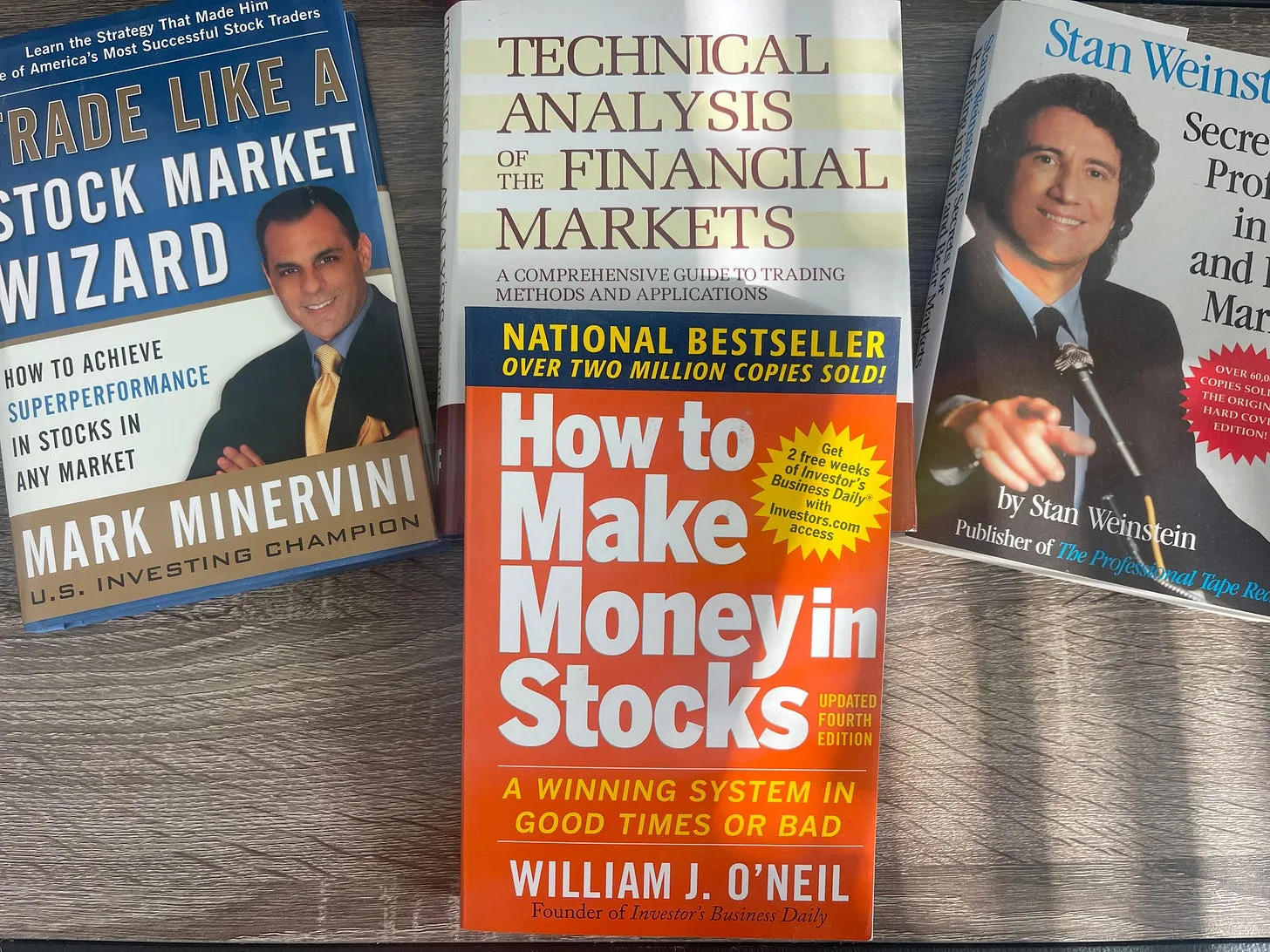
Learning to invest or trade can feel overwhelming, especially with so much noise online. Most beginners jump in without a plan, chasing stock tips, indicators, or excitement. That usually ends in confusion, frustration, and losses.
If I were starting over today, knowing what I know now, this is how I would build a solid foundation in investing and momentum-style trading, step by step.
In this guide, I will cover:
- What to learn and in what order
- The best books and resources to build real skill
- Basic personal finance habits that support the journey
- Why most people fail and how to avoid it
- The internal mindset needed to trade successfully
This article began as a response to someone asking where a complete beginner should start with investing and trading. What follows is the roadmap I wish I had when I started. It reflects my experience and a momentum-focused approach. It is not the only way to learn, and it will not fit everyone, but it offers a practical foundation for anyone who wants to build real skill without getting lost in the noise.
Why Most Beginners Struggle
Before we get into the roadmap, it’s important to understand the landscape.
- 90–95% of professional fund managers fail to beat the S&P 500 long-term
- 70–90% of retail trading accounts lose money (Europe requires brokers to disclose this)
These aren’t scare tactics, they’re reality. And statistically, becoming a consistently profitable trader is harder than becoming a doctor, lawyer, engineer, PhD, or corporate executive.
Why?
Because:
- Most people start without training
- They underestimate the emotional challenge
- They lack process + risk control
- The barrier to entry is extremely low
Anyone can open a brokerage account in five minutes.
But that doesn’t make you ready.
This roadmap will help you avoid the biggest pitfalls.
STEP 1: Understand How Successful Traders Think
Before you learn how to trade, you need to understand how world-class traders think, behave, and make decisions.
Start Here:
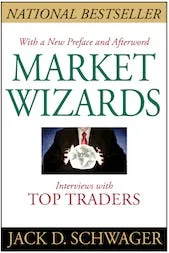
Market Wizards by Jack Schwager
This four-book interview series is one of the best foundations for beginners. You will hear from day traders, swing traders, position traders, trend followers, quants, and macro investors.
Different styles, same core lessons:
- They follow a repeatable process
- They execute with discipline
- They prioritize risk management
- They size positions intelligently
- They protect capital above all
The biggest value of this series is that you begin to recognize what type of trading might fit your personality, which can save years of confusion.
If you only read one thing before you begin trading… read Market Wizards**.**
STEP 2: Learn Market Structure
Once you understand how traders think, the next step is learning how markets behave.
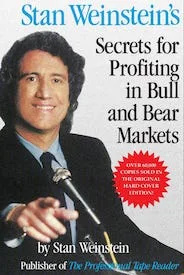
Secrets for Profiting in Bull and Bear Markets by Stan Weinstein
Weinstein explains a simple four-stage cycle that most charts follow:
• Stage 1: Basing
• Stage 2: Advancing
• Stage 3: Topping
• Stage 4: Declining
Once you learn these stages, you will:
- Know where buyers and sellers are active
- Stop buying downtrends just because they look cheap
- Understand when risk is high versus when conditions are favorable
This framework gives you immediate clarity on what is happening in the market.
STEP 3: Learn a Proven Growth and Momentum Framework
The modern foundation of growth and momentum trading comes from two primary sources.
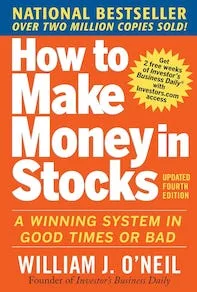
1) How to Make Money in Stocks — William O’Neil
A foundational book behind many U.S. Investing Champions.
Key ideas:
- CANSLIM methodology
- Buy strong stocks
- Emphasize fundamentals + technicals
- Use price + volume to time entries
- Sell quickly when wrong
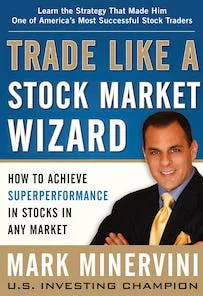
2) Trade Like a Stock Market Wizard — Mark Minervini
A more tactical expansion on O’Neil’s work.
Key ideas:
- Specific Entry Point Analysis (SEPA)
- Volatility contraction patterns
- Tight risk control
- Market timing skills
Together, these form a complete momentum framework.
STEP 4: Master Risk Management and Position Sizing
This is the most important skill in trading.
You can make money with an average strategy if you manage risk well. You can go broke with a great strategy if you do not.
Recommended Reading
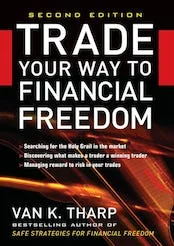
• Trade Your Way to Financial Freedom by Van Tharp
• The Definitive Guide to Position Sizing by Van Tharp
Core principles:
- Manage losses
- Use position size to control risk
- Think in probabilities
- Build systems with positive expectancy
This is the point where amateurs and professionals begin to separate.
STEP 5: Build Your Trading Psychology
Trading is a psychological mirror. It reflects your discipline, impulsiveness, ego, patience, and emotional reactivity. To succeed, you must learn to master yourself.
Recommended Reading
• Trading in the Zone by Mark Douglas
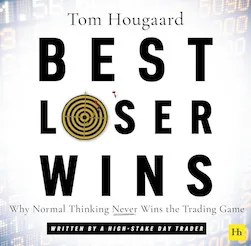
• Best Loser Wins by Tom Hougaard
You will learn:
- Probabilistic thinking
- Emotional awareness
- Acceptance of uncertainty
- Why loss is inevitable and manageable
This is difficult for me to narrow down to just one or two books because if your mindset is not right, nothing else will matter. Under pressure, you will subconsciously self-sabotage. There are also many non-trading books on psychology, spirituality, and self-improvement that can make you a better trader by helping you understand yourself more deeply.
Bottom line, we all have different mental blocks and different levels of trauma, sometimes without even realizing it, and these need to be confronted. This part of the journey depends heavily on the individual, but do not underestimate it like I did.
STEP 6: Learn Technical Analysis Basics
You do not need to memorize hundreds of chart patterns, but you should understand the fundamentals of how price moves. Focus on:
• Trend
• Support and resistance
• Moving averages
• Volume analysis
• Relative strength
Recommended Reading
• Getting Started in Technical Analysis by Jack Schwager (beginner)
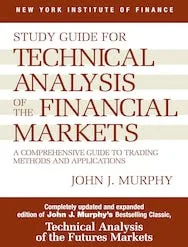
• Technical Analysis of the Financial Markets by John Murphy (comprehensive)
These books teach you how to read price, which is the language of the market.
Legendary investor William O’Neil, founder of Investor’s Business Daily, wrote this decades ago, and it still holds true today even though more people understand the value of charts:
“Most investors think that charts are hocus-pocus. Only about 5 to 10 percent of investors understand charts. Even a lot of professionals are totally ignorant about charts. Just as a doctor would be foolish not to use X-rays and EKGs, investors would be foolish not to use charts.”
STEP 7: Read the Classics
These are story-driven accounts with timeless lessons about speculation, greed, discipline, and human nature. The markets change, but people do not, which is why these books remain relevant.
Recommended Reading
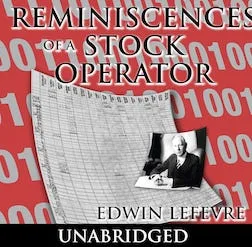
• Reminiscences of a Stock Operator by Edwin Lefevre (based on Jesse Livermore)
• How I Made $2,000,000 in the Stock Market by Nicolas Darvas
Every trader should read them.
Recommended Tools and Software
Once you understand the basics and have studied the core books, you will need platforms to chart, screen, and analyze stocks. There are many good options available. These are the ones I personally like and use.
• Momentum Trading Strategy Software
This is the software we built to support exactly how we trade as growth stock investors and momentum traders. It includes a Big Picture Market Overview, Relative Strength Dashboard, Relative Strength Stock Screener with growth stock fundamentals, Trading Journal and Analytics, and Risk Management tools.
• TradingView
My primary charting platform. It is simple to use, cloud-based, and excellent for reviewing price action. The built-in screener is also helpful for finding stocks that are “in play.”
• MarketSurge (Investor.com)
Great for more detailed screening, especially if you want to identify the type of stocks favored in William O’Neil’s CANSLIM approach. One of my preferred tools for growth-focused scans.
• FINVIZ
Another solid screening tool. Helpful for scanning setups quickly and seeing what is happening across sectors and industries. Also useful for monitoring market breadth.
There is no perfect software. Use whatever fits you. Many people also like TC2000. I am not going to dive into brokers in this post.
Free Online Resources (High Quality Only)
Most online trading content is harmful or misleading, so here are a few vetted options:
• Investor’s Business Daily (IBD) YouTube / Investor.com
• Qullamaggie.com
• TraderLion YouTube conferences
These are high-signal and low-noise.
⚠️ Warning:
About 99 percent of trading content on social media is misleading, overly simplistic, or run by scammers. Avoid it.
Optional: Paid Training
If you prefer structured education, the first place I would recommend starting is my Momentum Trading Strategy Course.
 Momentum Trading Strategy: The 100-Year Playbook Behind the Biggest Winning StocksMost people approach the stock market backwards.Mar 5, 2026 · Read on Substack →
This course was built from everything I have learned over the last 20 years of trading, along with lessons taken from studying dozens of the best trading books and the methods of some of the greatest growth stock traders in market history.
The goal of the course is to take everything I teach and put it into one comprehensive framework, from understanding the big picture market environment and market cycles, to reading key market indicators, identifying leadership, selecting the strongest stocks, finding precision entries, managing trades, selling into strength, cutting losses, sizing positions, managing risk, building a trading plan, and reviewing your performance.
What You Will Learn
• How to understand the big picture market environment
• How to recognize market cycles and changing conditions
• How to read key market indicators
• How to identify leadership in sectors, industry groups, and individual stocks
• How to find high-quality growth stocks
• How to use relative strength and fundamentals in your stock selection process
• How to plan and execute precision entries with proven setups
• How to manage trades after entry
• How to sell into strength and protect profits
• How to apply sell rules and cut losses quickly
• How to size positions and manage risk
• How to build a trading plan
• How to review your trades and improve your process over time
The course is heavily influenced by the work of traders like William O’Neil, Jesse Livermore, Nicolas Darvas, Mark Minervini, David Ryan, Stan Weinstein, and many others. It was also inspired by the structure and depth of advanced programs like Mark Minervini’s Master Trader Program, but built specifically around the way I trade and teach momentum growth stocks.
Another excellent paid training option is:
Minervini’s Master Trader Program
• Ties everything together
• High-quality curriculum
• Immersive five-day interactive workshop with Mark Minervini, two-time U.S. Investing Champion
What You Will Learn
• Precisely when to buy
• How to take profits effectively
• How to read charts
• Risk management
• Mark’s daily routine
• Fundamental analysis
• Position sizing
• Live trading with Mark
It is expensive, about $5,000, but it is far more practical than most college degrees. It is not required to succeed, but it can accelerate your learning.
This is not an affiliate recommendation, just my honest take.
Foundational Personal-Finance Habits
This is not financial advice. I am simply sharing what I have done personally.
Before trading actively, it helps to build a strong financial foundation.
1) Save consistently
Try to live on about 80 percent of what you earn. At minimum, save 10 percent and pay yourself first. Yes, this comes straight from the legendary book The Richest Man in Babylon by George S. Clason, published in 1926. Nearly a century later, most people still ignore it, which is one reason why so many high-income earners remain stressed, overextended, and stuck in the rat race far longer than they need to be.
2) Avoid lifestyle creep
Do not increase spending just because your income rises.
3) Build an emergency fund
Save six to twelve months of living expenses.
This protects you from:
• Unexpected emergencies
• Job loss
• Trading from a place of fear
4) Simple investing
Once you have savings, begin with simple index investing:
• SPY (S&P 500)
• QQQ (Nasdaq-100)
Example:
If someone invested $1,000 per month in QQQ for 25 years (from October 2000 to October 2025), their total contributions would be about $300,000.
The approximate value would be around $2,375,042.
That is the power of compound growth.
In short: live below your means, build savings, invest consistently, and use a separate account for active trading.
Why Most People Fail at Trading
Because they:
- Want excitement
- Avoid discipline
- Ignore risk
- Rely on predictions
- Refuse to track mistakes
- Lack emotional control
Even highly intelligent people, doctors, engineers, lawyers, military officers, get crushed.
Not because markets are random…
but because they never learned to manage themselves.
Trading is emotionally demanding.
You must take losses, often.
You must be wrong, often.
The market doesn’t care about your IQ, resume, or opinions.
It rewards only:
- Discipline
- Patience
- Process
- Self-awareness
- A system with positive expectancy
The Real Reward: Internal Transformation
Yes, successful trading can lead to:
• Financial freedom
• Time leverage
• Location independence
But the deeper reward is internal.
Trading forces you to confront:
• Ego
• Impatience
• Fear
• Overconfidence
• Emotional blind spots
You cannot escape yourself in this game.
I started trading because I was chasing money and excitement. Like most people, that path led to losses.
Things only began to change when I committed to:
• Discipline
• Structure
• Emotional awareness
• Long-term self-improvement
That is the real journey. The money is a by-product.
Putting It All Together: A Beginner Roadmap
If I were starting today, I would:
• Read Market Wizards to understand how professionals think
• Learn market structure using Stan Weinstein
• Study the O’Neil and Minervini momentum frameworks
• Master position sizing and risk management through Van Tharp
• Train mindset with Mark Douglas, Tom Hougaard and Denise Shull
• Learn basic technical analysis
• Read the classics
• Protect capital and build strong personal financial habits
This is also why I built the Momentum Trading Strategy Course and Software: to organize these lessons into a structured process and give traders the tools to apply them in real time.
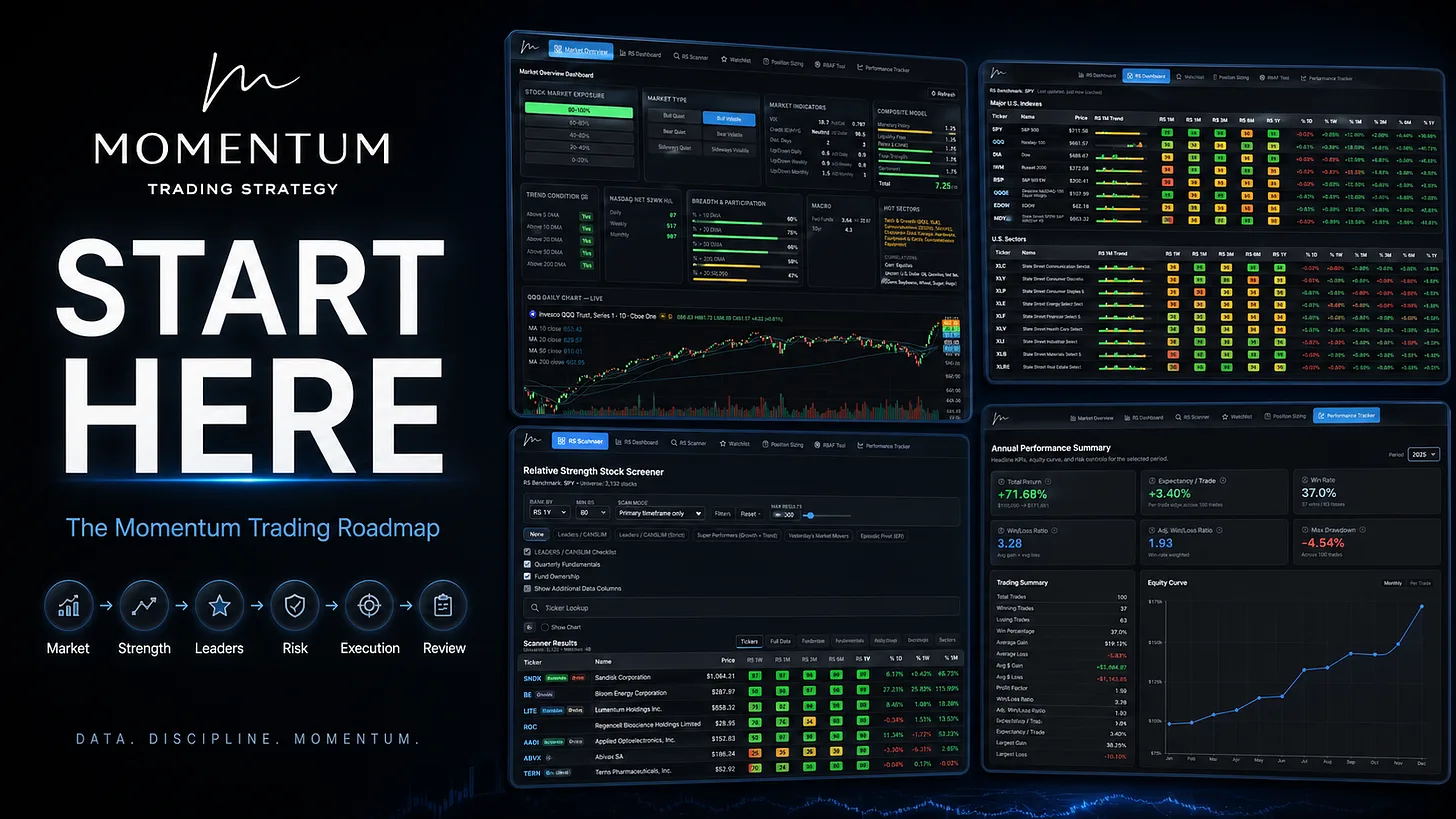 Start Here: The Complete Roadmap for Learning Momentum Trading the Right WayBefore you begin: I recommend reading the roadmap below first, then watching the video. The article gives you the structure, and the video walks you through how everything fits together inside the Substack and web app.Apr 30, 2026 · Read the article →
And that is only the beginning. This path is a never-ending process of self-improvement and learning. Study people who have already made several lifetimes’ worth of mistakes and spent countless hours researching. That will shorten your journey, but at some point you still need to step into the arena yourself.
You must execute, make mistakes, learn from them, and continue to execute. No one can do it for you. You cannot learn everything from a book or a course. Eventually, you need to get in the game with real money on the line.
Practice in Stages Before Trading Full Size
Once you have the basic knowledge, you need to practice. There are two stages I recommend before putting real money at risk.
1) Practice in a simulator or with paper (fake) money
Start by placing trades in a simulator. This lets you test your process without financial consequences.
You will learn:
• How to execute your strategy
• How to size positions
• How to place stops
• How to journal and evaluate trades
This step helps you build competence without emotional pressure.
2) Trade small with real money
Once you are consistently executing your process on a simulator, move to a small account. Start with an amount that is meaningful enough to make you care, but small enough that you are fully prepared to lose it.
This stage matters because real money triggers real emotion. You will feel:
• Fear of losing
• Fear of missing out
• Impulse to revenge trade
• Emotional attachment to a position
These emotional reactions must be confronted. You can only do that when money is on the line.
3) Scale up gradually
Once you have demonstrated discipline and consistency with a small account over a meaningful sample of trades, you can begin to fund a larger account.
Only scale when:
• You are following your rules
• You have experienced different market environments and kept drawdowns small
• You have positive expectancy over time
• You are emotionally stable under pressure
This helps you grow without blowing up.
Final Thoughts
You do not need brilliance to succeed. You need:
• Patience
• Consistency
• Humility
• Risk management
• A process you trust
• A system with positive expectancy
• The willingness to evolve
Most people will never do the internal work required. If you are willing to, you are already ahead.
I will likely write a follow-up post explaining how I would practice as a beginner, including:
• Paper trading vs real money
• Journaling and review
• Building a playbook
• Tracking statistics
Stay tuned.
If you are willing to do the work and refuse to quit, you can do this! Do not let the statistics discourage you. Use them as motivation to keep going, especially during the dark and difficult days. This is a marathon, not a sprint.
More in Other Articles
All Other Articles articles →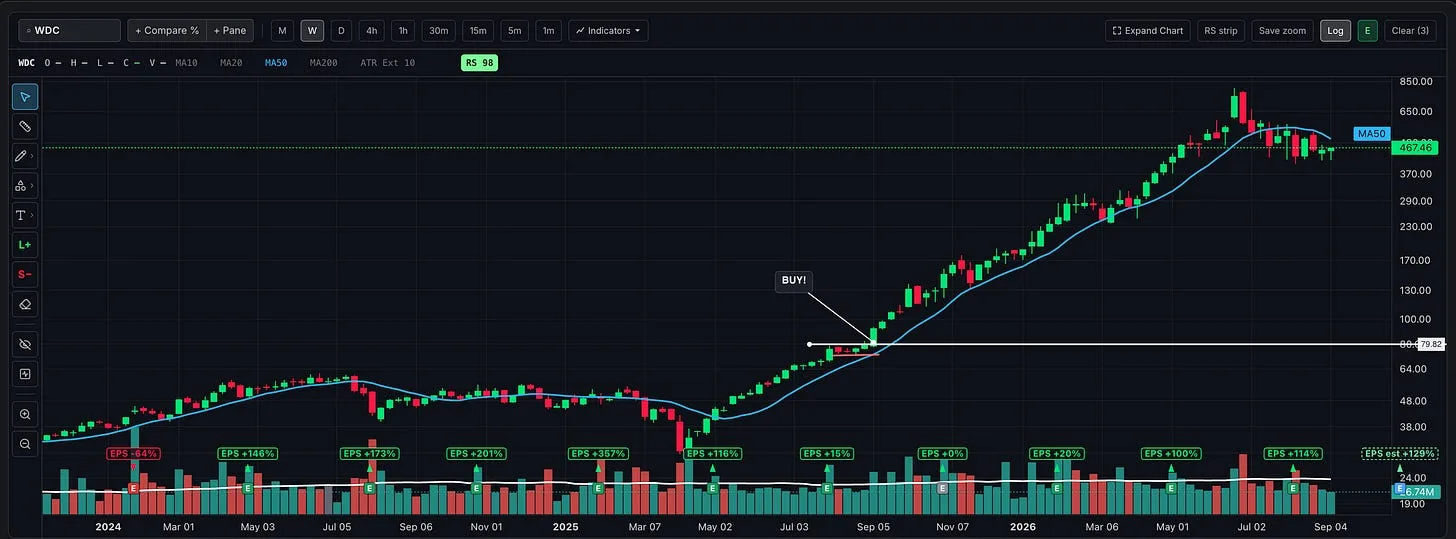
Sep 6, 2026 · Other Articles
Growth Stock and Momentum Trading: What It Is and What It Isn’t
What 100 Years of Stock Charts Reveal About Growth-Momentum Trading, and Where Personal Style Ends and a Different Strategy Begins
- how to make money in stocks
- Momentum Trading
- CANSLIM
- position trading
- Stan Weinstein
- David Ryan
- Trend Trading
- Kristjan Kullamägi

Jun 23, 2026 · Other Articles
If I Had to Bet on a Group of Traders, I’d Bet on These Ones
The real edge after you learn the rules is becoming the kind of person who can actually follow them.
- Investing
- Trading

Jun 4, 2026 · Other Articles
Why It Hurts More to Spend Money You Earn Yourself
I thought making more money would make spending easier. Instead, trading and building businesses made every dollar feel harder to let go.
- Investing
- CANSLIM
- Trading
- Business
- Stock Market
- growth stock investing