
Trading articles/Every Trader Faces a Drawdown. The Ones Who Survive Know What to Do Next
Jan 26, 2026 · Momentum Trading Strategy
Every Trader Faces a Drawdown. The Ones Who Survive Know What to Do Next
Why drawdowns happen, how professionals survive them, and what to do when you are in one
Originally published on Substack.
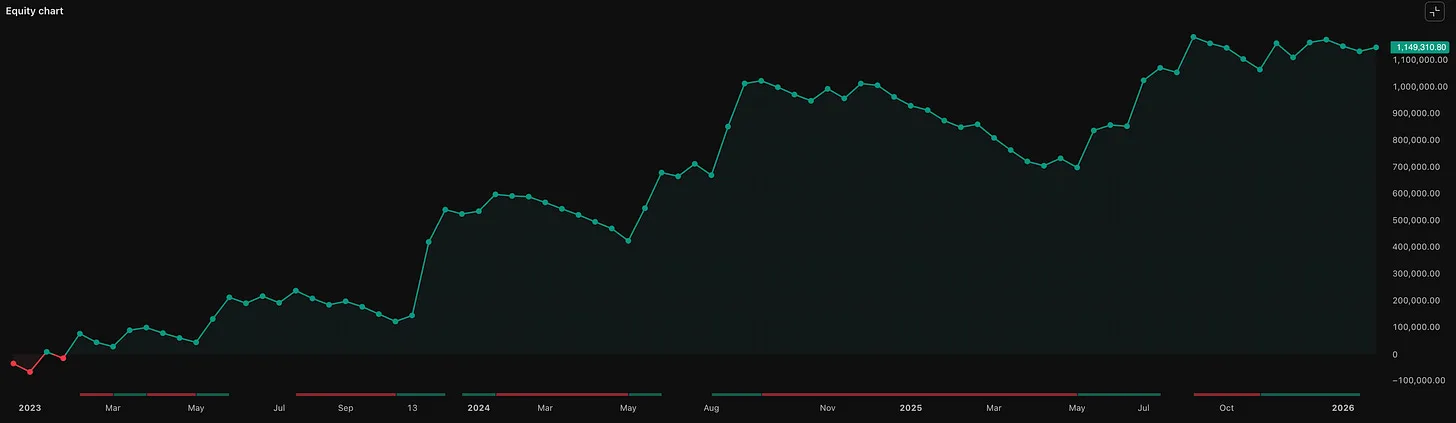
Every successful trader I know, and nearly every great trader I have studied, has lived through a demoralizing drawdown. It is one of the few experiences that seems unavoidable if you stay in the market long enough. This is not a failure. It is normal. As painful as it is, a drawdown is often what forces the growth required to reach the next level.
If you trade for years, there is a high probability you will experience a period where nothing works the way it used to. Entries fail. Breakouts stall. Confidence erodes. The difference between traders who survive and traders who quietly disappear is not whether they experience drawdowns. It is how they respond when one arrives.
Sometimes a drawdown is caused by a change in market conditions. Sometimes it comes from emotional drift, fatigue, or stress outside the market. Other times it happens because you have slowly moved away from the very strategy that originally delivered your results. Regardless of the cause, the real edge is recognizing what is happening early and self-correcting before the damage compounds.
The most dangerous moment in a drawdown is not the loss itself. It is what comes next. This is the point where frustration builds, discipline is tested, and small mistakes turn into larger ones. Poor decisions made here often do more damage than the drawdown ever did.
Reducing position size is critical during these periods. Smaller size creates emotional space and allows you to think clearly instead of reacting. It keeps one difficult stretch from turning into career-ending damage and gives you room to regain perspective.
It is also important to remember that cash is a position. In many cases, it is the best position. When you notice a drawdown developing, stepping aside is often the smartest decision you can make. Protecting capital is always more important than forcing activity.
Taking a break is not avoidance. It is part of the process. Clearing your mind creates the conditions for honest self-assessment. That is when real improvement happens.
This is the time to analyze your trades and look for patterns. Identify whether the issue is market-related, psychological, or process-related. This is why so many professional traders meditate, visualize, journal, and strive to be stoic. Mental clarity is not optional in this game. It is a form of risk management.
Emotional control matters just as much as technical skill. Drawdowns create frustration, self-doubt, and the urge to make losses back quickly. Revenge trading feels logical in the moment, but it is almost always destructive. The market does not know you are down, and it does not care.
Adaptation matters as well. Not every strategy works in every market environment. A system that thrives in a strong trend can struggle badly during periods of chop, rotation, or compression. Strong traders recognize when conditions have changed and adjust instead of forcing trades that no longer fit.
This is what makes trading unique. You can struggle for eight, nine, even ten months out of the year and still outperform the traditional investor if you handle the remaining months correctly. One or two strong periods, traded well and sized appropriately, can define an entire year.
But that only works if you do not sabotage yourself when things get hard.
Drawdowns are not a sign you do not belong in the market. They are part of the tuition. The lesson is not to avoid them. The lesson is to survive them with your capital, confidence, and process intact.
That is how long-term traders are made.
More in Risk Management
All Risk Management articles →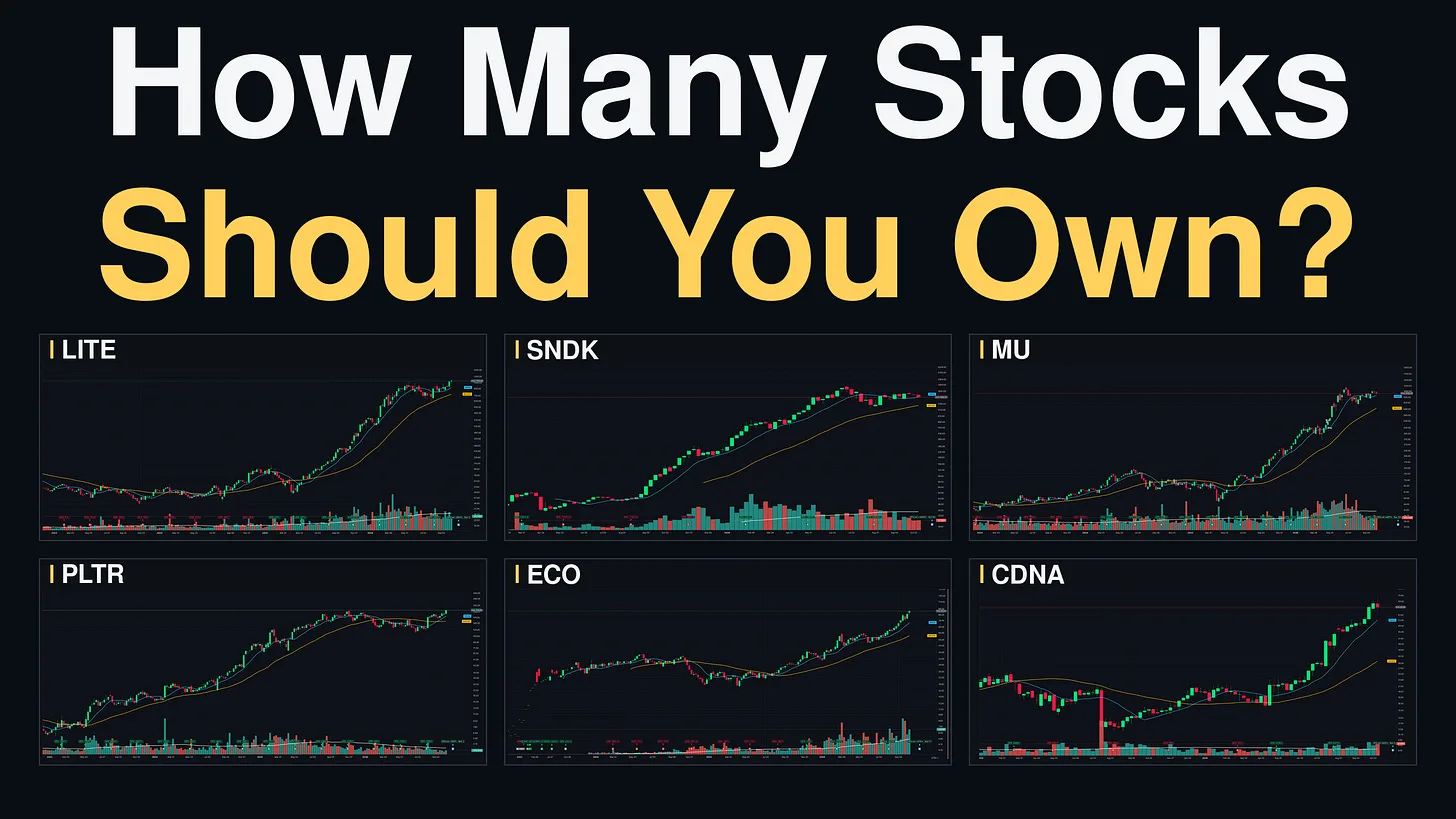
Oct 11, 2026 · Risk Management
How Many Stocks Should You Own? The Mistake That Can Cost You Your Biggest Winners
What William O'Neil, Mark Minervini, and the Market Wizards teach us about portfolio concentration, position sizing, cash management, and knowing when to stop trading.
- Momentum Trading
- Investing
- CANSLIM
- Trading
- position trading
- Growth Stock Trading
- Portfolio Heat
- David Ryan
Jul 7, 2026 · Risk Management
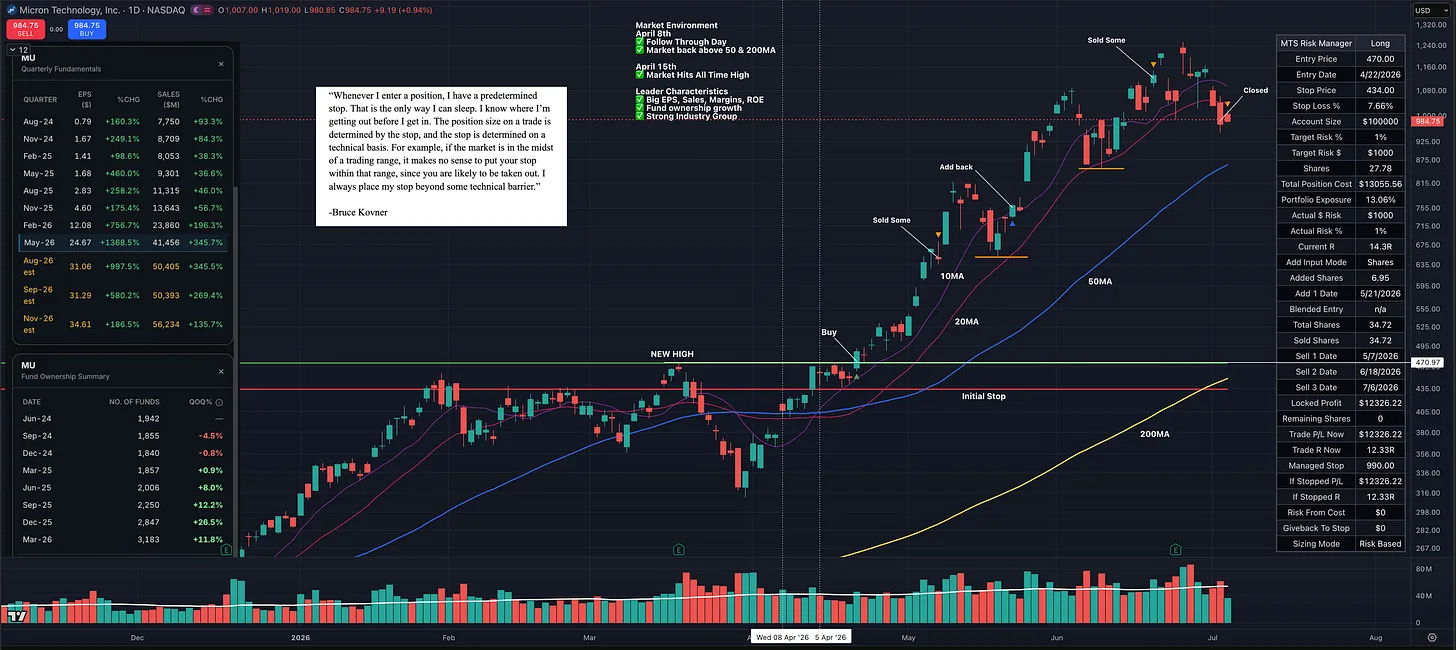
Position Size and Manage Risk Like a Market Wizard
Using Bruce Kovner’s stop-loss principle to plan the trade before the trade begins.
- growth stocks
- Momentum Trading
- fundamental analysis
- Learn Trading
- technical analysis
- Investing
- CANSLIM
- Trading
Jul 2, 2026 · Risk Management
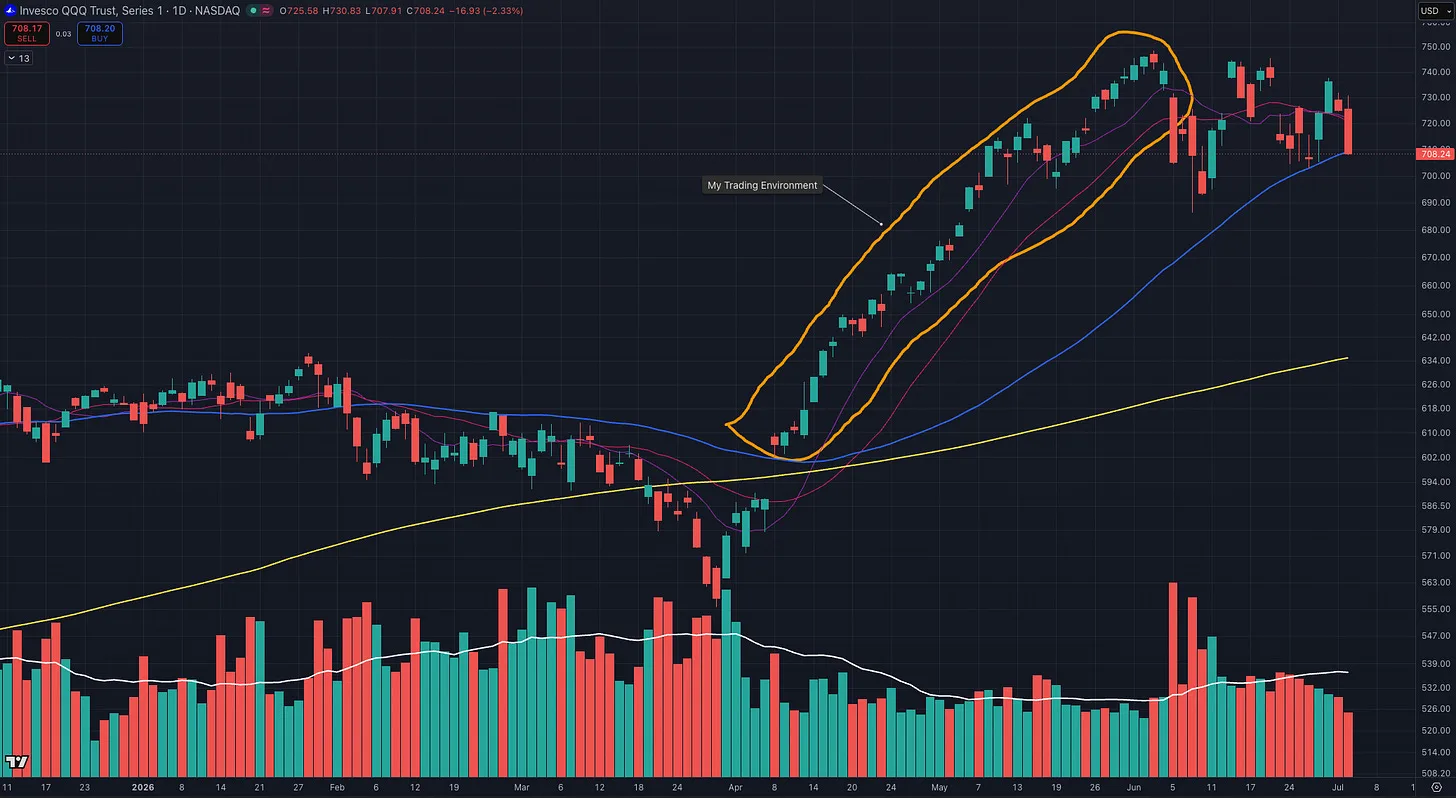
Why Great Traders Can Seem Bipolar in Choppy Markets
The best traders are not changing their minds because they are confused. They are changing their exposure because the market evidence has changed.
- Momentum Trading
- progressive exposure
- Learn Trading
- CANSLIM
- Trading
- position trading
- Growth Stock Trading
- stock trading