
Trading articles/Trading Lessons from The Phantom of the Pits
Nov 26, 2025 · Momentum Trading Strategy
Trading Lessons from The Phantom of the Pits
The hidden rules of a mysterious Chicago trader who mastered the markets by mastering himself
Originally published on Substack.
Do you want to trade with the mindset of someone who survived every market environment for decades?
If that landed even a little, what follows will matter to you.
Because The Phantom of the Pits teaches lessons most traders never learn. His book is raw, unpolished, and strange at times. But the wisdom inside it is some of the most transformational education ever written for traders.
He remained anonymous.
He refused fame.
He never revealed his real name.
But he left behind a blueprint.
This is that blueprint.
1. Behavior modification comes before charts, indicators, or strategy
Phantom opens the book by saying the biggest mistake traders make is chasing knowledge while ignoring behavior.
Knowledge is useless if your actions in the market do not match what you know.
You can understand risk management and still violate it.
You can understand setups and still hesitate.
You can understand your system and still sabotage it.
Phantom teaches that trading is not a knowledge problem.
It is a behavior problem.
Fixing your actions fixes your results.
2. You must learn to be the best loser in the room
This is Phantom’s most famous philosophy.
Winning traders do not win because they pick the best trades.
They win because they cut their losers before the losers cut them.
The faster you accept you are wrong, the more you survive.
The more you survive, the more opportunities you have to be right.
Phantom believed the market rewards humility.
The best loser is the long term winner.
3. Rule One: Assume every trade is wrong until it proves otherwise
Most traders think a trade is right until it hits the stop.
Phantom flips this upside down.
Every new position is wrong by default.
It must earn the right to stay.
If the market does not prove you correct quickly, remove it.
Do not wait for confirmation.
Do not negotiate with the chart.
Do not justify it.
A trade that drifts, stalls, hesitates, or sits still is a bad trade.
Exit it while you still have clarity.
This thinking is why he survived for decades.
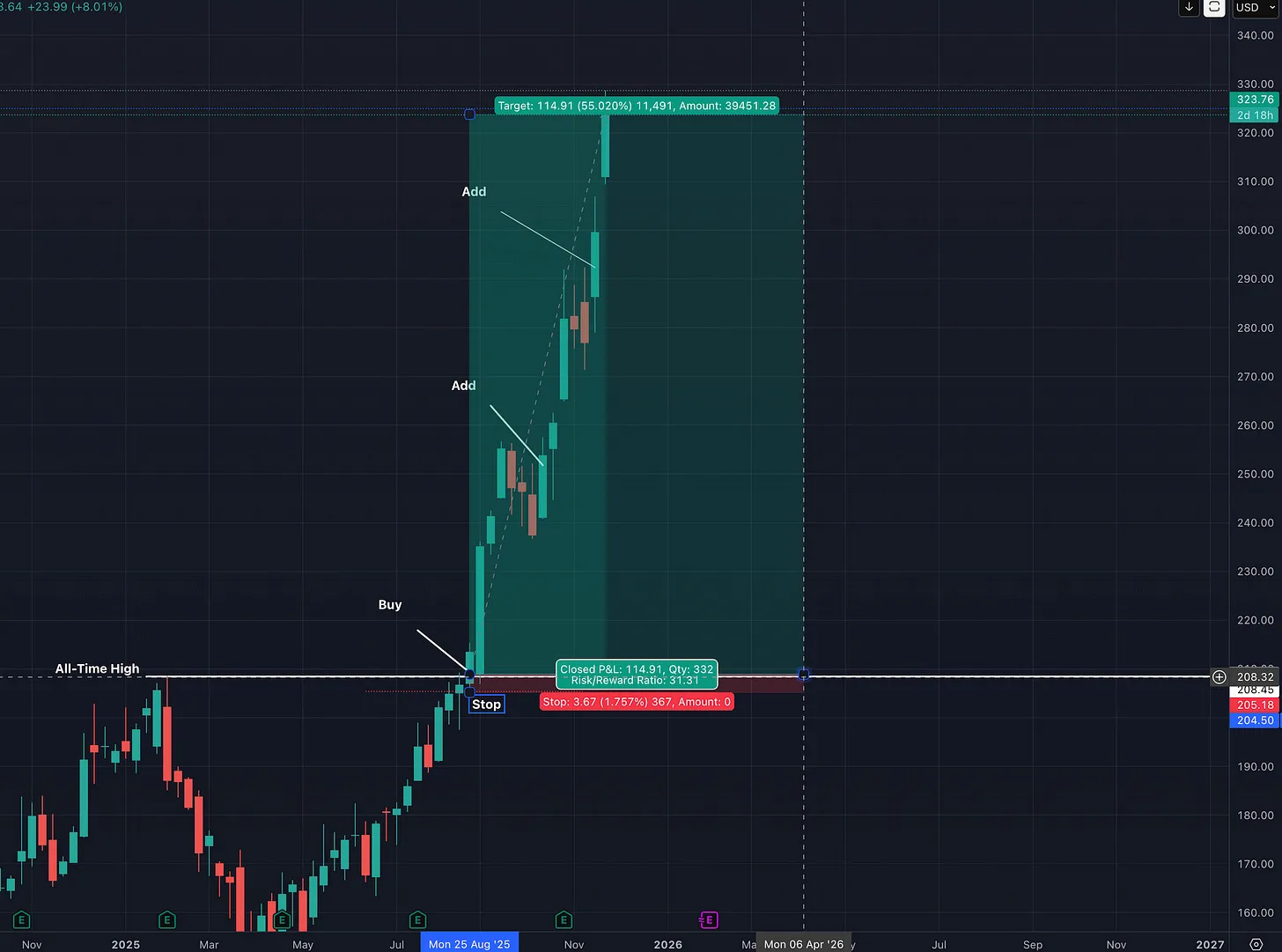
4. Rule Two: Add to winners in a structured and controlled way
Phantom never let traders twist this rule into “just add to winners.”
Adding has rules:
• each add is smaller than the last
• each add must follow confirmation
• never add emotionally
• never add if Rule One is violated
• never add out of hope or greed
• your size must be larger when you are right than when you are wrong
Without this rule, your wins will never be large enough to cover a lifetime of small losses.
Rule One keeps you alive.
Rule Two makes you wealthy.
You need both.
5. Your environment shapes your decisions more than your intellect
The full book goes deep into something almost no trading education covers.
Phantom teaches that your physical environment needs to reinforce discipline.
He used:
• a rocking chair to mimic market rhythm
• a talking clock to anchor timing
• daily gratitude to stabilize emotions
• morning rituals to prepare the mind
• simple surroundings to remove noise
Your trading space becomes part of your psychology.
You cannot think clearly in a chaotic environment.
You cannot trade well if your space trains the wrong behaviors.
Your environment either supports discipline or destroys it.
6. Emotional distress is a mandatory exit signal
Phantom teaches one of the most important psychological rules in trading.
If a trade causes emotional tension, hesitation, fear, confusion, or internal pressure, you must exit.
Your body is your early warning system.
Your emotions are telling you that clarity is gone.
A trader without clarity has no edge.
This rule alone can save careers.
7. The market rewards those on the surprise side, not the expected side
Phantom explains that traders lose money because they position themselves where the crowd expects the market to go.
Professionals position where the surprise moves occur.
This means:
• expect abrupt shifts
• prepare for volatility
• manage size so shocks do not destroy you
• let the unexpected work for you, not against you
The surprise side pays the most.
It also demands the most discipline.
8. Fast loss cutting is a survival instinct, not a strategy
Phantom tells a story from childhood about touching a hot horseshoe and dropping it instantly.
His lesson is simple.
When something hurts, let go.
No thinking.
No analyzing.
No delaying.
This is how stops should feel.
Immediate.
Automatic.
Non-negotiable.
You do not wait for a fire to burn your hand.
You drop the horseshoe.
9. Learn from observed mistakes, not personal disasters
Phantom believed one of the smartest ways to grow as a trader was to learn from the mistakes of others.
You can internalize lessons without paying the financial price.
This mindset lets you accelerate your development while preserving capital.
You can learn faster from the losses you avoid than from the losses you take.
10. Execution matters more than prediction
Phantom was a Chicago floor trader.
Execution was his real edge.
He knew:
• how to enter without hesitation
• how to exit before disaster
• how to size properly
• how to add when markets confirmed
• how to apply pressure when momentum was real
Prediction is entertainment.
Execution is survival.
Phantom traded like a man who knew the difference.
Final thought
Phantom of the Pits wanted one thing.
He wanted traders to become masters of their own behavior.
Not copy a strategy.
Not follow a guru.
Not memorize a method.
He wanted traders to learn how to think.
That is why his teachings remain relevant decades later.
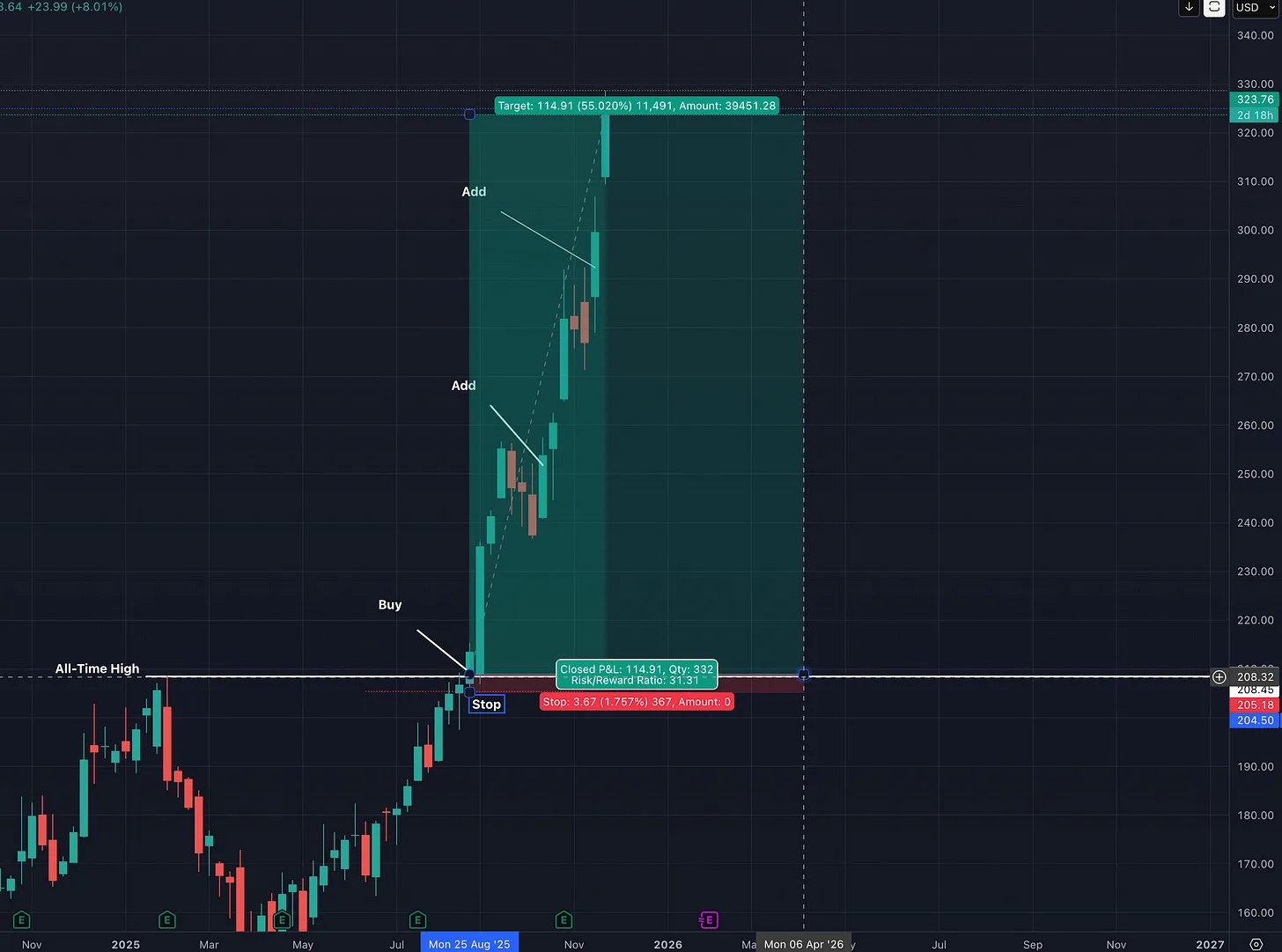
*This is the Phantom method. Small initial risk while the trade proves itself. Confidence only after confirmation. Adds only when momentum earns them. The result is a position that grows larger as the trade becomes safer. This is how professionals survive and compound for decades.
More in Legendary Traders
All Legendary Traders articles →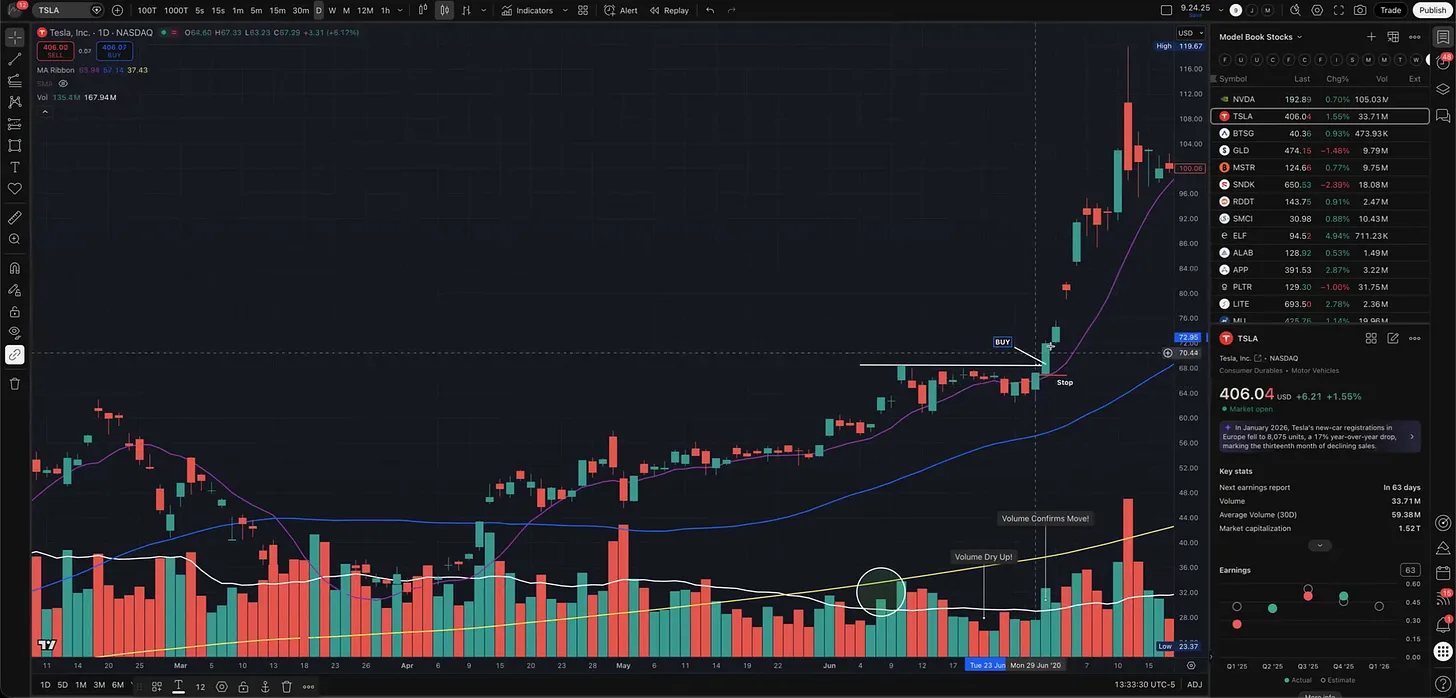
Sep 17, 2026 · Legendary Traders
4 Legendary Traders. 4 Breakout Entry Tactics.
A chart-by-chart breakdown of Minervini’s VCP, O’Neil’s cup with handle, Darvas’s box breakout, and Kullamägi’s opening range breakout.
- how to make money in stocks
- IBD
- Momentum Trading
- VCP
- technical analysis
- CANSLIM
- Trading Setups
- position trading
Sep 6, 2026 · Legendary Traders
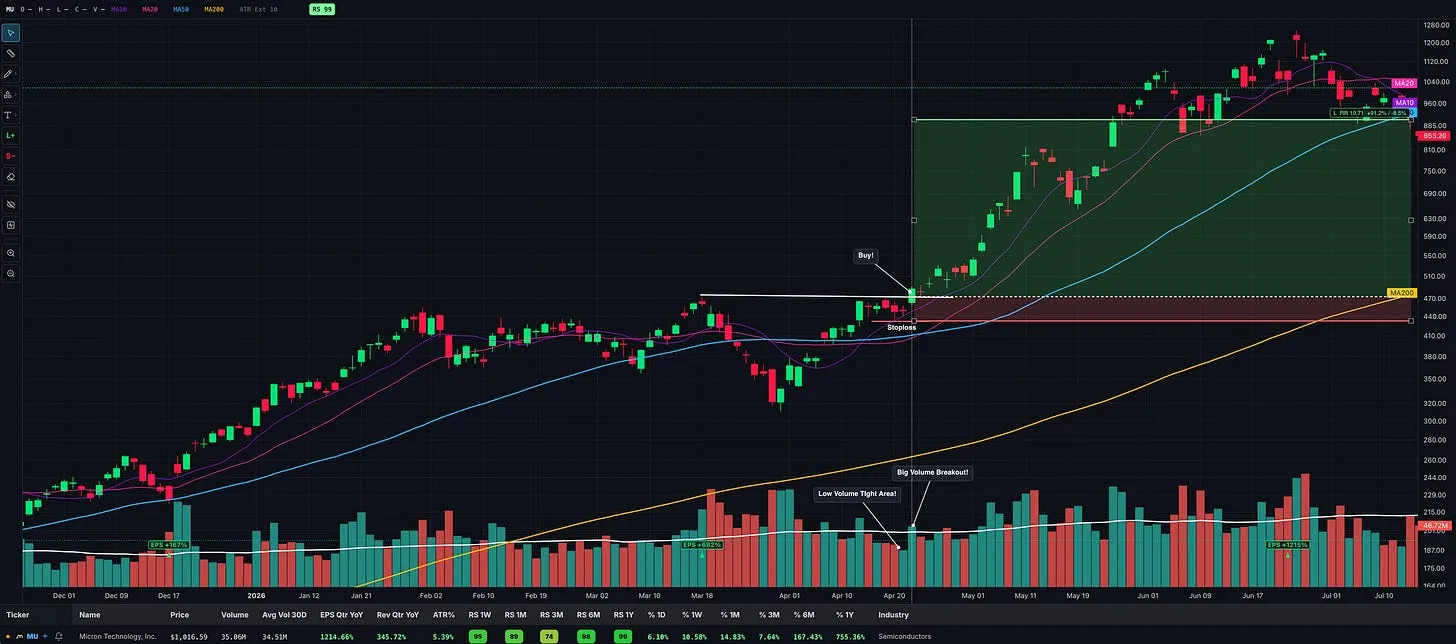
Market Wizard David Ryan: How He Made 1,379% in Three Years
Inside the growth-stock approach of William O’Neil’s protégé and three-time U.S. Investing Champion, from precise entries to holding major winners.
- IBD
- fundamental analysis
- Learn Trading
- technical analysis
- position trading
- David Ryan
- Market Wizard
- CAN SLIM
Aug 29, 2026 · Legendary Traders
Why the Market’s Biggest Winning Stocks Rarely Move Alone
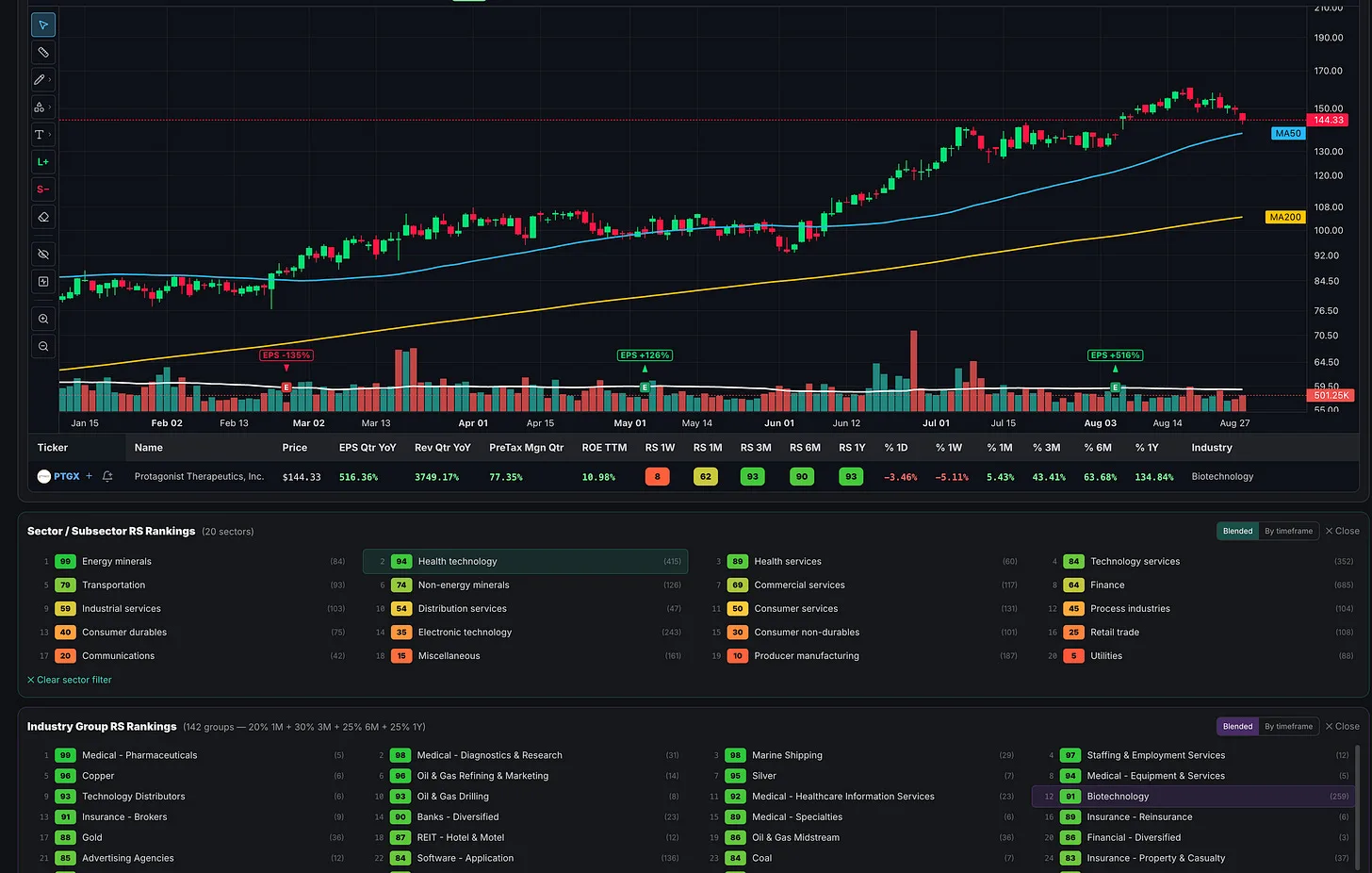
Lessons from Nicolas Darvas, William O’Neil, and Mark Minervini on using industry-group strength and relative strength to find new market leaders without getting whipsawed.
- growth stocks
- CANSLIM
- position trading
- David Ryan
- stock trading
- Kristjan Kullamägi
- Nicolas Darvas
- industry groups